Abu Simbel (Egypt)
Africa Travel Bookings
· 5 min read
As the first rays of the Egyptian sun pierce the desert horizon, you stand before the colossal statues of Ramses II, their stone faces gazing eternally across the Nile. Abu Simbel, a testament to ancient engineering and divine ambition, emerges from the sands like a forgotten dream brought to life. This UNESCO World Heritage site, relocated to escape the rising waters of Lake Nasser, offers a profound connection to Egypt's pharaonic past. In this guide, you will discover the historical significance, must-see attractions, practical travel advice, and cultural insights that make Abu Simbel an unforgettable destination.
Historical Background
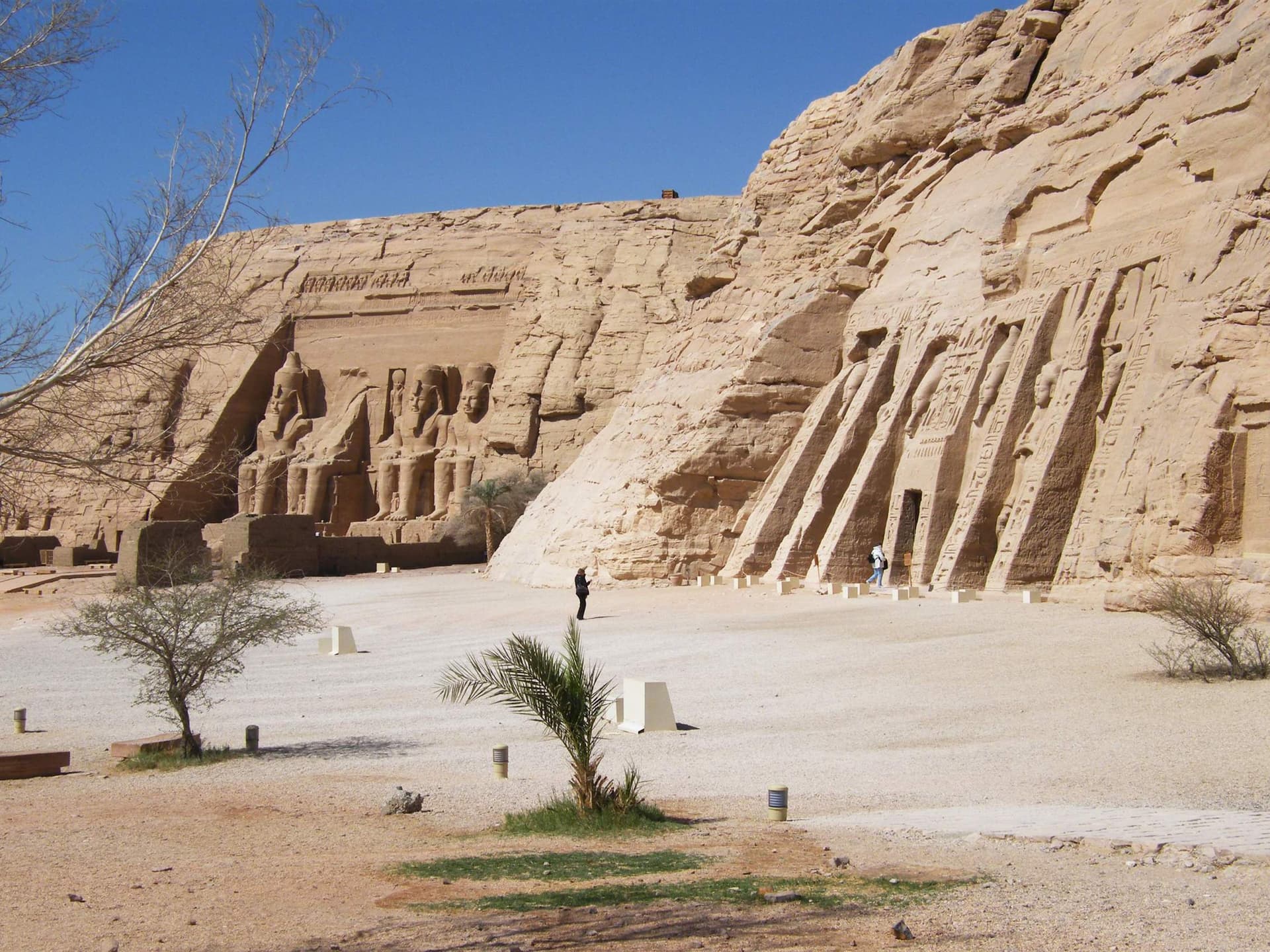
Abu Simbel owes its existence to Ramses II, the Great Pharaoh of the 19th Dynasty, who ruled Egypt from 1279 to 1213 BC. He commissioned the construction of two magnificent temples carved into the sandstone cliffs to commemorate his victory at the Battle of Kadesh and to honour the gods Amun, Ra-Horakhty, and Ptah, as well as himself. The Great Temple, dedicated to Ramses II, features four 20-metre-high seated statues of the pharaoh, while the smaller Temple of Hathor celebrates his queen, Nefertari. In the 1960s, an international effort led by UNESCO relocated the temples 65 metres uphill and 200 metres back from their original site to prevent submersion by the Aswan High Dam's reservoir. This engineering marvel preserved one of Egypt's most iconic landmarks, ensuring that future generations can marvel at Ramses II's legacy.
What to See and Do
Abu Simbel offers a rich tapestry of ancient wonders and natural beauty, where history and the Nile's majesty converge.
The Great Temple of Ramses II
You approach the temple through a colonnade of 22 pillars, each crowned with a statue of Ramses II as Osiris. Inside, the hypostyle hall leads to the sanctuary, where statues of Amun, Ra-Horakhty, Ptah, and Ramses II himself stand in eternal vigil. Twice a year, on 22 February and 22 October, the sun aligns perfectly to illuminate the inner sanctum, a phenomenon that demonstrates the ancient Egyptians' astronomical prowess. Entry costs around $10, and the site opens from 5 AM to 6 PM, allowing you to witness the sunrise over the statues.
The Temple of Hathor
Dedicated to Queen Nefertari and the goddess Hathor, this temple features six statues of the royal couple at its entrance, with Nefertari depicted as Hathor. The interior walls depict scenes of the queen making offerings to the gods, showcasing the high status of women in Ramses II's court. You can explore the detailed reliefs and hieroglyphs that narrate tales of divine favour and royal devotion.
Nile River Cruises
A short distance from the temples, you can embark on a Nile cruise to appreciate the surrounding landscape. Boats depart from the Abu Simbel dock, offering views of the desert cliffs and the life-giving river. Cruises typically last 1-2 hours and cost about $20-30, providing a serene contrast to the temples' grandeur.
Sound and Light Show
In the evenings, the temples come alive with a sound and light show that recounts Ramses II's life and achievements. Narrated in multiple languages, including English, the show uses dramatic lighting to highlight the statues and reliefs. Tickets are approximately $15, and shows run from 7 PM onwards, making it a magical way to end your day.
Desert Exploration
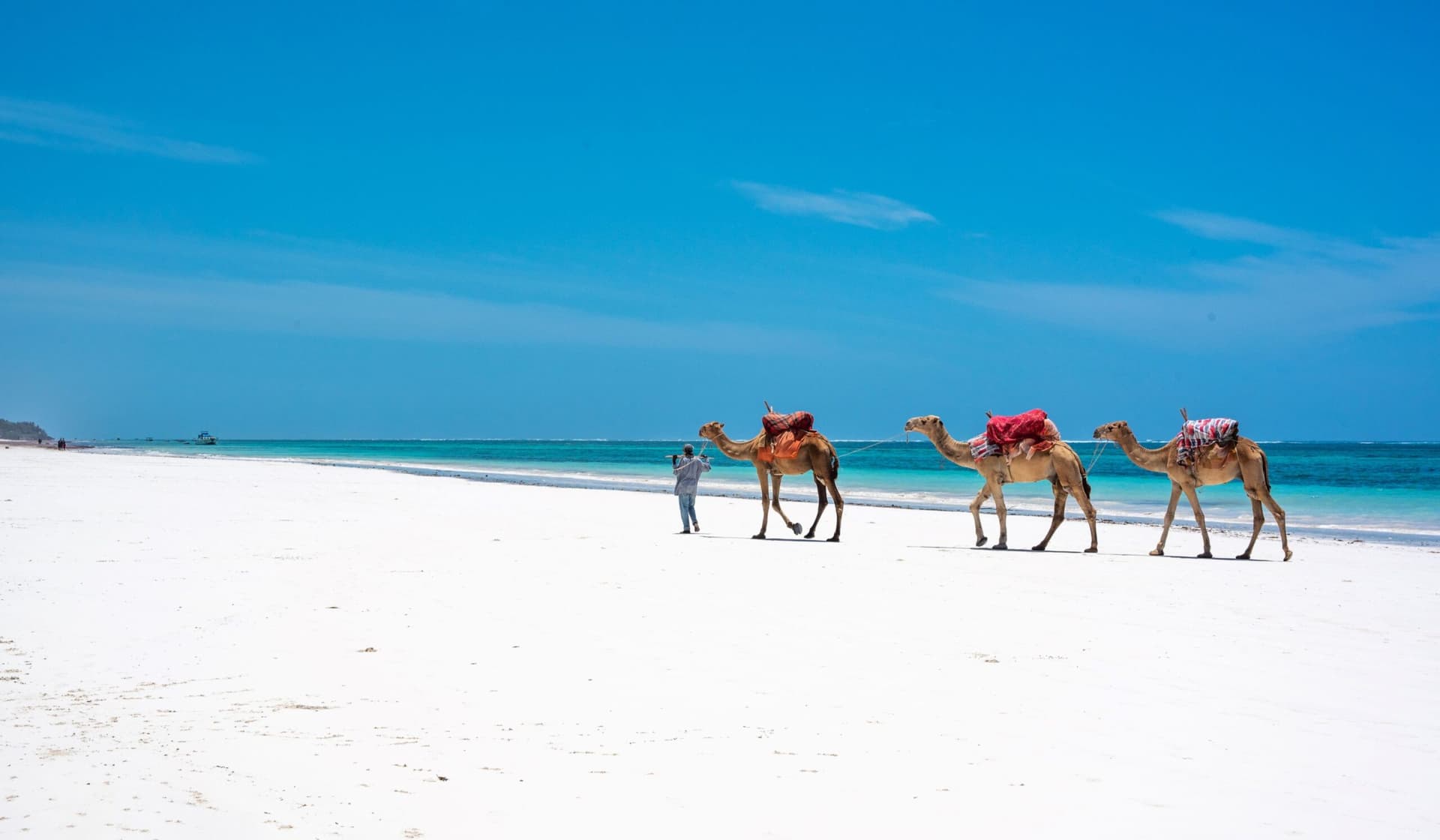
Venture into the surrounding desert for a camel ride or a guided hike to nearby viewpoints. You can see the original temple locations now submerged under Lake Nasser, gaining insight into the relocation effort. Tours cost around $10-20 and offer a deeper appreciation of the site's archaeological significance.
Best Time to Visit
Egypt's climate dictates the ideal times to visit Abu Simbel, balancing comfort with crowd levels.
The best overall time to visit is from October to April, when temperatures range from 15°C to 30°C, making outdoor exploration pleasant. November to February sees cooler nights, ideal for evening activities, while March and April offer warm days with fewer tourists.
Summer months, May to September, bring intense heat, with daytime temperatures exceeding 40°C, which can make temple visits exhausting. However, this period coincides with lower tourist numbers and cheaper accommodation.
Winter, December to February, is peak season due to mild weather, but expect larger crowds and higher prices. Shoulder seasons like October and April provide a balance of good weather and fewer visitors.
Avoid mid-summer if you dislike extreme heat, as the desert sun can be relentless.
How to Get There
Abu Simbel lies about 280 km south of Aswan, making it accessible via air or road.
The primary way to reach Abu Simbel is by flight from Aswan International Airport, with EgyptAir and other carriers offering daily flights lasting about 45 minutes. From Cairo, you can connect via Aswan, with flights taking around 1.5 hours.
Road travel involves a 3-4 hour drive from Aswan along the desert highway, often included in organised tours. Buses run from Aswan, but a guided tour provides comfort and insights.
International visitors typically fly into Cairo or Luxor, then transfer to Aswan before heading to Abu Simbel. The journey from London takes about 5-6 hours, with Dubai as a common Middle Eastern hub.
Where to Stay
Accommodation in Abu Simbel caters to various budgets, with options ranging from basic guesthouses to luxury resorts.
Budget travellers can find simple hotels near the temples for under $50 per night, offering clean rooms and proximity to the site. Mid-range options, such as the Seti Abu Simbel Hotel, provide amenities like pools and restaurants for $50-150 per night.
Luxury seekers enjoy the Nefertari Hotel, with Nile views and spa facilities, costing $150-300 per night. Many hotels include breakfast and shuttle services to the temples.
For a more immersive experience, consider staying in Aswan and taking a day trip, as Abu Simbel's accommodation is limited.
Where to Eat
Abu Simbel's dining scene reflects Egyptian cuisine, with a focus on fresh, flavourful dishes.
You must try koshary, a hearty mix of rice, lentils, and macaroni topped with tomato sauce and fried onions, available at local eateries for around $3-5. Falafel, deep-fried chickpea balls served with tahini and pita, offers a vegetarian delight at similar prices.
Seafood lovers savour grilled fish from the Nile, seasoned with herbs and served with rice, costing $8-12. For a sweet treat, indulge in baklava or basbousa, traditional pastries dripping with honey.
Local restaurants near the temples provide authentic meals, while hotel dining offers international options. Always opt for establishments with fresh ingredients to avoid any stomach issues.
Practical Tips
To make your Abu Simbel visit smooth, pack light clothing, a hat, and sunscreen due to the desert heat. Bring comfortable walking shoes for exploring the temples, and consider a reusable water bottle to stay hydrated.
Carry Egyptian pounds for small purchases, as USD is accepted but change may be limited. Use ATMs in Aswan for withdrawals, and keep small denominations for tips.
Respect the site's rules by not touching the statues or climbing on structures. Photography is allowed, but check for restrictions in certain areas.
For health, drink bottled water and use sunscreen liberally. If visiting during Ramadan, be mindful of fasting hours and adjust dining plans accordingly.
Cultural Insights
Egyptian culture emphasises hospitality and respect for history, evident in Abu Simbel's preservation.
You will notice the importance of family and community, with locals greeting each other warmly. When visiting temples, dress modestly to show respect for sacred sites.
The ancient Egyptians' reverence for the gods shines through in the temple reliefs, teaching lessons on balance and eternity. Engage with local guides to learn about pharaonic customs, and participate in traditional tea ceremonies if offered.
Festivals like Ramadan highlight communal spirit, with iftar meals bringing people together. Understanding these elements enriches your experience and fosters meaningful connections.
Nearby Attractions
Abu Simbel serves as a gateway to southern Egypt's wonders.
Aswan, just 280 km north, boasts the High Dam, Philae Temple, and Nubian villages. You can take a felucca ride on the Nile or visit the Unfinished Obelisk quarry.
Luxor, a 4-5 hour drive away, offers the Valley of the Kings, Karnak Temple, and Luxor Temple, providing a comprehensive view of ancient Egypt.
The Nubian Desert surrounding Abu Simbel invites 4x4 excursions to remote sites and Bedouin camps, where you can experience traditional desert life.
These attractions allow you to extend your trip, combining Abu Simbel's grandeur with broader Egyptian exploration.
Travel Tips for Families
Abu Simbel welcomes families with its educational and awe-inspiring sites, but plan for the heat and distances.
Children will love the giant statues and stories of pharaohs, making it a great history lesson. Opt for early morning visits to avoid peak sun, and bring snacks and water for comfort.
Guided tours tailored for families include interactive elements, explaining hieroglyphs in simple terms. Choose family-friendly hotels with pools for relaxation after temple explorations.
For younger kids, limit walking and use strollers where possible. Older children may enjoy the sound and light show, sparking interest in archaeology.
Ensure travel insurance covers family members, and check for any age restrictions on flights or activities.
Sustainability and Conservation
Preserving Abu Simbel requires ongoing efforts to protect this ancient marvel.
UNESCO's relocation project exemplifies sustainable heritage management, safeguarding the site from environmental threats. You can support conservation by choosing eco-friendly tours that minimise impact on the desert ecosystem.
Local initiatives focus on water conservation and waste management, crucial in the arid region. Avoid littering and stick to marked paths to prevent erosion.
By visiting responsibly, you contribute to the site's longevity, ensuring future generations can witness Ramses II's legacy. Support organisations like the Egyptian Ministry of Antiquities in their preservation work.