Avenue of the Baobabs (Madagascar)
Africa Travel Bookings
· 5 min read
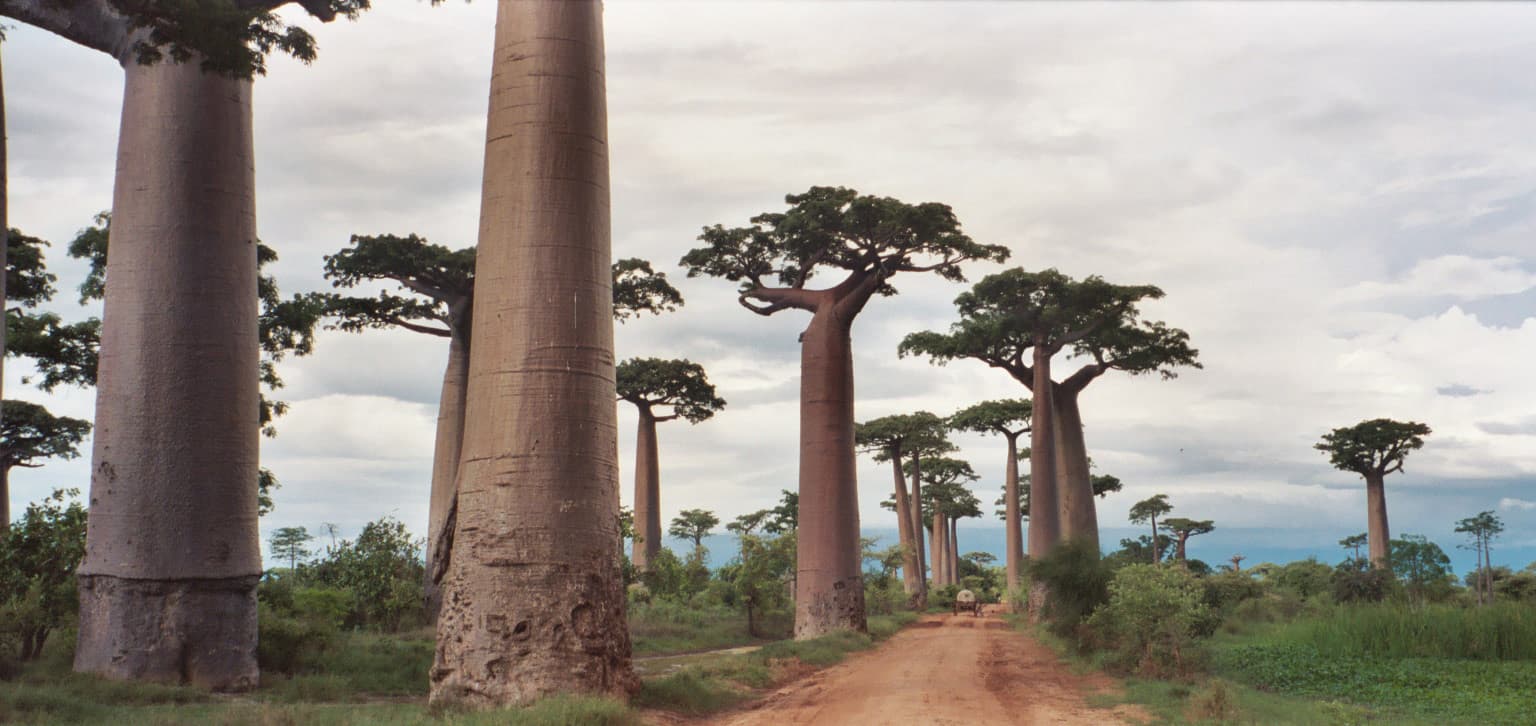
You stand on the dusty red earth of western Madagascar, the sun dipping low on the horizon, casting long shadows across a landscape that feels both ancient and alive. The Avenue of the Baobabs stretches before you, a natural cathedral of towering trees that have witnessed centuries of Malagasy history. These majestic Adansonia grandidieri, some over 800 years old, line the dirt road like silent sentinels, their thick trunks and sparse branches creating a scene of otherworldly beauty that has captivated travellers for generations. This is Madagascar at its most iconic, a place where nature's grandeur meets the island's rich cultural tapestry. This guide explores everything you need to know about visiting the Avenue of the Baobabs, from the best ways to experience its magic to practical tips for planning your Madagascar adventure.
Why Visit Avenue of the Baobabs
The Avenue of the Baobabs offers a unique blend of natural wonder and cultural immersion that sets it apart from other African destinations. Here, you encounter one of the world's most spectacular displays of baobab trees, a UNESCO-listed site that showcases Madagascar's extraordinary biodiversity. Unlike the savannas of East Africa, this coastal region combines arid landscapes with lush river valleys, providing a diverse ecosystem where you can spot rare wildlife alongside ancient trees. The area holds global significance as a biodiversity hotspot, home to species found nowhere else on Earth, making it a must-visit for nature enthusiasts and photographers alike. Its accessibility from the west coast adds to its appeal, offering an authentic Malagasy experience without the crowds of more tourist-heavy sites.
Top Attractions & Experiences
The Avenue of the Baobabs
You drive along the unpaved road, flanked by over 20 baobab trees that rise up to 30 metres high, their elephantine trunks storing water for the dry season. The best time to visit is at sunset, when the golden light illuminates the trees against the blue sky, creating postcard-perfect scenes. Entry is free, and you can walk among them, feeling the rough bark and imagining the stories these trees could tell. Guided walks often include local stories about the trees' medicinal uses and cultural importance.
Kirindy Forest
Venture into this dry deciduous forest, where you might spot the elusive fossa, Madagascar's top predator, or hear the calls of nocturnal lemurs. A guided night walk reveals a world of glowing eyes and rustling leaves, with chances to see the tiny mouse lemur or the greater bamboo lemur. The forest covers about 100 square kilometres and offers hiking trails that wind through spiny vegetation unique to Madagascar.
Tsingy de Bemaraha
This UNESCO World Heritage site features dramatic limestone pinnacles that rise like stone forests from the ground. You navigate narrow paths between razor-sharp rocks, sometimes requiring harnesses for safety. The site includes underground rivers and caves, where you can explore by boat or on foot. It's a full-day excursion from the baobabs area, rewarding you with unparalleled views and a sense of adventure.
Morondava Beaches
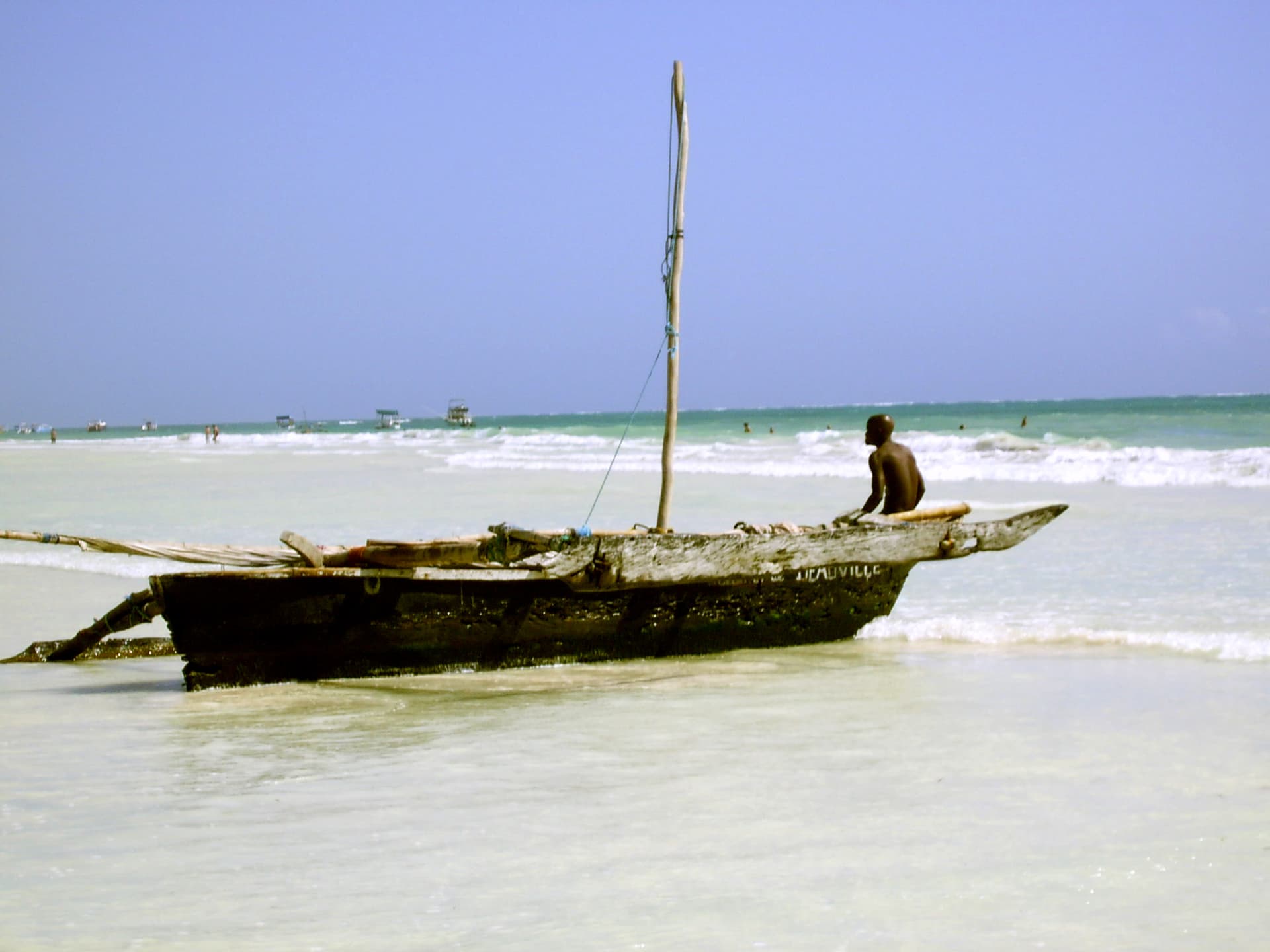
Relax on the white sands of beaches like Nosy Kely, where turquoise waters meet the Mozambique Channel. You can swim, snorkel, or simply watch traditional pirogues (dugout canoes) bobbing in the waves. The beaches offer a contrast to the inland landscapes, with opportunities for seafood meals and sunset views over the ocean.
Sakalava Cultural Encounters
Meet the Sakalava people, whose traditions include ancestral worship and distinctive tombs adorned with zebu horns. You participate in village visits, learning about their history and daily life, perhaps witnessing a traditional dance or craft-making. This cultural immersion adds depth to your trip, showing the human side of Madagascar's natural wonders.
River Trips on the Tsiribihina
Embark on a multi-day boat journey down this river, passing through gorges and savannas teeming with birds and wildlife. You camp on riverbanks, enjoying fresh-caught fish and stories from local guides. The trip combines adventure with relaxation, offering a slower pace to appreciate Madagascar's interior.
Best Time to Visit
The Avenue of the Baobabs experiences a tropical climate with distinct wet and dry seasons that influence both the landscape and your experience. The dry season, from April to October, brings clear skies and easier road conditions, making it ideal for exploring the baobabs and surrounding areas. During this time, the trees stand stark against the blue sky, and wildlife viewing improves as animals gather around water sources. The wet season, from November to March, transforms the region with lush greenery and blooming flowers, though heavy rains can make some roads impassable.
Best overall: May to September
Wildlife peak: June to August
Budget travel: April to May or September to October
Avoid: January to March — heavy rains and potential flooding
In the dry season, temperatures range from 20°C to 30°C, with cooler nights perfect for stargazing. The wet season sees temperatures up to 35°C and higher humidity, but rewards you with vibrant flora and fewer tourists. Festivals like the Famadihana (turning of the bones) occur in various months, adding cultural interest.
Getting There
You reach the Avenue of the Baobabs primarily through Morondava, Madagascar's main gateway on the west coast. The nearest international airport is Ivato International Airport in Antananarivo (TNR), about 400 kilometres east. From there, domestic flights with Air Madagascar or Tsaradia take around one hour to Morondava Airport (MOQ). Alternatively, a scenic drive from Antananarivo lasts 10 to 12 hours via the RN7 highway.
Key airlines serving Madagascar include Air France, Air Mauritius, and Ethiopian Airlines from Europe and the Middle East, with flight times from London around 12 hours including connections. Within Africa, South African Airways and Kenya Airways offer routes via Johannesburg or Nairobi. Once in Morondava, a short drive of about 30 minutes brings you to the baobabs site.
Visa & Entry Requirements
Madagascar offers visa on arrival for most nationalities, including UK, US, and EU passport holders, valid for up to 90 days. You pay $80 USD at the airport or port of entry, with no advance application needed for stays under 90 days. Citizens of some countries, like South Africa, may enter visa-free for up to 30 days.
Ensure your passport remains valid for at least six months beyond your travel dates. Yellow Fever vaccination is recommended if you have visited or transited through endemic areas in the previous six days. Always verify current requirements with the Malagasy embassy, as rules can change.
Getting Around
In the Avenue of the Baobabs area, you rely on 4x4 vehicles or minibuses for overland travel, as roads can be rough and sandy. Guided tours often include transfers from Morondava, with experienced drivers navigating the terrain. For independent travel, rent a car with a driver-guide, as self-driving requires local knowledge to avoid getting stuck.
Within the region, short distances mean walking or cycling works for some sites, but for longer excursions like Tsingy de Bemaraha, organised tours provide the necessary transport. Domestic flights connect Morondava to other parts of Madagascar if you plan to combine destinations.
Accommodation Guide
Accommodation near the Avenue of the Baobabs ranges from basic guesthouses to luxury eco-lodges, concentrated in Morondava and nearby villages. Budget options include simple bungalows with shared facilities, offering a chance to immerse yourself in local life. Mid-range choices feature private rooms with en-suite bathrooms and basic amenities like Wi-Fi.
For luxury, stay at tented camps or lodges with views of the baobabs, where you enjoy gourmet meals and guided activities. Prices vary by season, but expect to pay under $80 per night for budget stays, $80–$250 for mid-range, and $250+ for luxury experiences. Many properties focus on sustainability, using solar power and supporting local communities.
Food & Culture
Madagascar's cuisine reflects its diverse influences, with dishes like romazava (beef stew with greens) and ravitoto (cassava leaves with pork) showcasing local ingredients. You savour fresh seafood along the coast, such as grilled prawns or octopus, often accompanied by rice. The Sakalava people honour their ancestors through the famadihana ceremony, where families exhume and rewrap the bones of deceased relatives, a tradition that emphasises community and remembrance.
Cultural etiquette includes greeting elders first and using both hands when giving or receiving items. Visitors respect local customs by dressing modestly and asking permission before photographing people.
Budget & Cost Guide
Travelling to the Avenue of the Baobabs suits various budgets, with costs depending on your travel style. A budget traveller might spend around $50–$100 per day, focusing on local guesthouses and public transport. Mid-range travel costs $100–$200 daily, including guided tours and comfortable accommodation. Luxury trips exceed $300 per day, with high-end lodges and private excursions.
Breakdown: Accommodation takes 30–50% of costs, activities and entry fees another 30%, food 15%, and transport 10–20%. The local currency is the Malagasy Ariary (MGA), but USD is widely accepted. Factor in internal flights or long drives from Antananarivo, which add $100–$300 to your total.
Travel Tips & Safety
Prepare for Madagascar's variable climate by packing light layers and rain gear for the wet season. Malaria prophylaxis is essential, with options like doxycycline or mefloquine recommended for the region. Consult a travel health clinic for vaccinations, including routine ones and possibly rabies if you'll be in rural areas.
Travel insurance covers medical emergencies and trip cancellations, crucial for remote areas. Stay hydrated and use sunscreen, as the sun is intense. Respect local customs and avoid isolated areas at night. For packing, bring sturdy shoes for walking on uneven terrain and a reusable water bottle.