Bazaruto Archipelago (Mozambique)
Africa Travel Bookings
· 5 min read
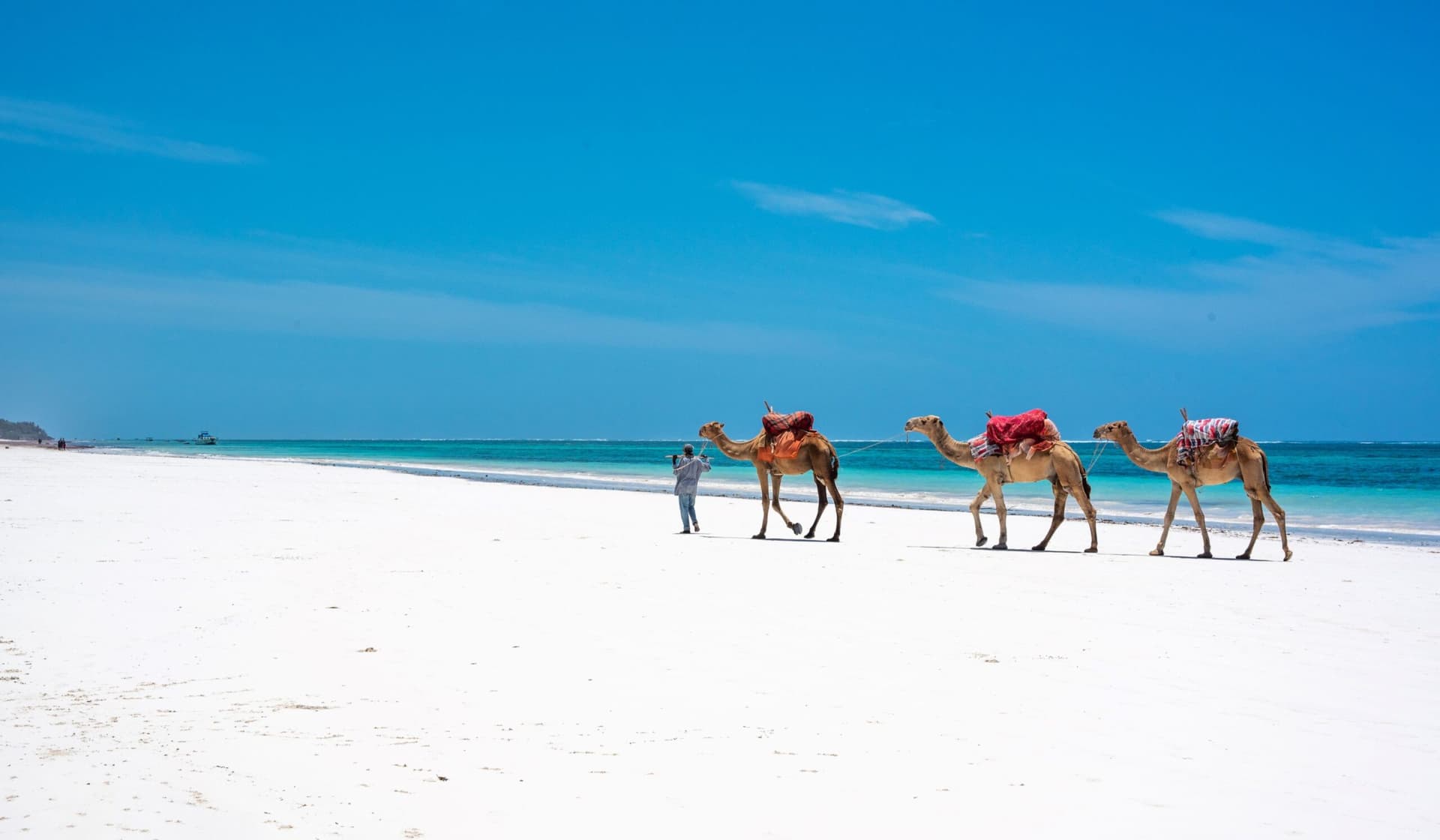
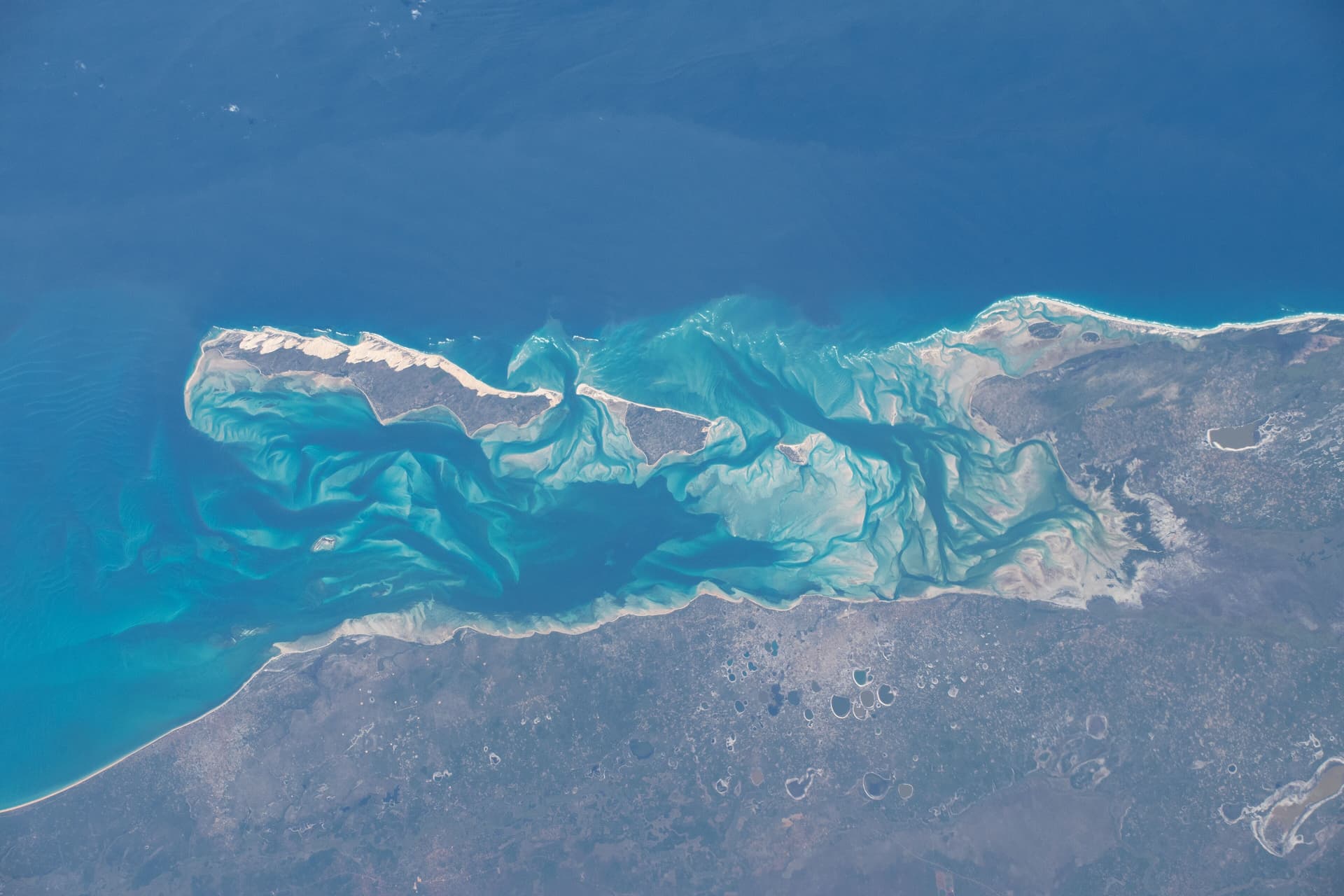
The turquoise waters of the Indian Ocean lap gently against powdery white sands as you step onto the pristine beaches of Bazaruto Island. Here, in Mozambique's Bazaruto Archipelago, the rhythm of the sea meets the wild beauty of untouched coral reefs, where whale sharks glide silently through crystal-clear waters and dugongs graze on seagrass meadows. This remote paradise, a UNESCO-recognised marine sanctuary, offers an escape from the ordinary, where luxury lodges blend seamlessly with the natural world. With the Great Barrier Reef's southern counterpart just offshore, now is the perfect time to discover this hidden coastal treasure before it becomes widely known. This comprehensive travel guide covers everything you need to know about visiting the Bazaruto Archipelago, from diving with marine giants to relaxing on secluded beaches.
Why Visit Bazaruto Archipelago
You visit the Bazaruto Archipelago for its unparalleled marine biodiversity, where the Indian Ocean's richest coral ecosystems thrive in protected waters. As Africa's first marine national park, it stands out for its commitment to conservation, allowing you to witness dugongs, the gentle sea cows rarely seen elsewhere, and encounter whale sharks that dwarf your boat. Unlike the crowded dive sites of the Maldives or Seychelles, Bazaruto offers intimate encounters with these giants in a setting that feels truly wild and exclusive. Its position as a UNESCO Biosphere Reserve underscores its global importance, making it a destination for those seeking authentic, sustainable adventures that support local communities.
Top Attractions & Experiences
Diving with Whale Sharks
Plunge into the warm waters off Bazaruto Island, where whale sharks, the largest fish in the ocean, filter plankton just metres from your mask. These gentle giants, some reaching 12 metres, appear seasonally from October to March, creating unforgettable encounters. Certified divers explore the coral walls teeming with reef fish, while snorkellers float above the action. Expect to pay around $150 for a guided dive, including equipment and boat transfer from Vilanculos. The experience feels serene yet thrilling, as you share the water with these majestic creatures in their natural habitat.
Exploring Benguerra Island
Benguerra Island, the archipelago's largest, boasts sweeping beaches and a historic lighthouse that offers panoramic views of the surrounding islands. You hike the dunes for sunset vistas or relax in secluded coves where flamingos wade in shallow lagoons. The island's luxury lodges provide access to private beaches, and you can arrange boat trips to spot dolphins leaping through the waves. Entry to the marine park costs $10 per person, and guided tours run from $50. This experience immerses you in a sense of isolation, with the lighthouse standing as a testament to the island's colonial past.
Snorkelling at Two Mile Reef
At Two Mile Reef, a vibrant coral garden stretches for kilometres, home to colourful parrotfish, turtles, and rays. You snorkel in shallow waters where the reef meets the sand, spotting starfish and anemones clinging to the rocks. The site, part of the marine national park, ensures pristine conditions with minimal human impact. A half-day snorkel tour costs about $80, including gear and transport. The sensation of floating above this underwater world feels magical, as sunlight filters through the water, illuminating schools of fish darting between coral formations.
Wildlife Safaris by Boat
Embark on a boat safari to observe dugongs, the elusive relatives of manatees, grazing on seagrass beds in the archipelago's channels. You also encounter pods of dolphins and occasional humpback whales during migration season. These safaris, led by local guides, highlight the park's conservation efforts, with sightings of over 200 bird species along the shore. Tours start at $100 per person and last three to four hours. The thrill comes from the unpredictability, as marine life surfaces unexpectedly, creating moments of pure wonder in the open ocean.
Beach Relaxation on Magaruque Island
Magaruque Island offers untouched beaches where you lounge on soft sands, watching dhows sail against the horizon. The island's small community welcomes visitors with traditional fishing demonstrations, and you can kayak through mangroves to hidden lagoons. With no resorts, it provides a raw, authentic escape, perfect for those seeking solitude. Access via boat from Vilanculos costs around $20 round-trip. Here, time slows down, and the simple pleasure of a beach picnic under swaying palms defines your day.
Cultural Encounters with Local Communities
Engage with the local Vezo people, traditional fishermen who share stories of their maritime heritage. You participate in community-led activities like boat-building or seafood preparation, gaining insight into sustainable living. These experiences, often arranged through lodges, cost $30–$50 and foster genuine connections. The warmth of the locals makes you feel part of the island's rhythm, blending adventure with cultural depth.
Best Time to Visit
The Bazaruto Archipelago experiences a tropical climate with distinct wet and dry seasons, influencing both marine life and visitor comfort. The dry season, from May to October, brings clear skies, calm seas, and the best conditions for diving and snorkelling, with water visibility exceeding 30 metres. This period coincides with whale shark sightings and lower humidity, making it ideal for outdoor activities. The wet season, from November to April, features warmer waters and occasional thunderstorms, but offers the chance to see migrating humpback whales and dugongs in breeding season.
Best overall: May to October
Wildlife peak: October to March (whale sharks and whales)
Budget travel: May to August
Avoid: January to March — heavy rains and higher humidity
During the dry season, temperatures range from 20°C to 30°C, with minimal rain, allowing for extended beach time and water sports. The wet season sees temperatures up to 35°C, with increased humidity that can make exploration challenging. Crowds remain low year-round due to the archipelago's remoteness, but book whale shark tours in advance for peak season.
Getting There
You reach the Bazaruto Archipelago primarily through Vilanculos, the gateway town on Mozambique's mainland. The nearest international airport, Vilanculos Airport (VNX), connects directly from Johannesburg via South African Airways, with flights taking about two hours. From Europe, you connect through Johannesburg or Maputo, Mozambique's capital, where LAM Mozambique Airlines operates regional flights. Dubai serves as a key Middle East hub, with Emirates offering connections to Johannesburg.
Flight durations from London to Johannesburg range from 11 to 13 hours, followed by a short hop to Vilanculos. Within Africa, Ethiopian Airlines and Kenya Airways provide efficient routes through Addis Ababa and Nairobi. Once in Vilanculos, domestic flights are unnecessary, as boat transfers to the islands take 45 minutes to two hours, depending on the destination.
Visa & Entry Requirements
Most visitors to Mozambique, including the Bazaruto Archipelago, enjoy visa-free entry or visa on arrival, depending on their nationality. Citizens of the UK, US, Canada, Australia, and many European countries receive a visa on arrival at Vilanculos Airport or Maputo, valid for 30 days and costing $80. South African passport holders enter visa-free for stays up to 30 days.
Ensure your passport remains valid for at least six months beyond your travel dates. Yellow Fever vaccination is recommended if you have visited or transited through endemic areas in the past six days. For the latest requirements, consult the Mozambique Immigration Department website or your embassy, as regulations can change.
Getting Around
Within the Bazaruto Archipelago, boats serve as the primary mode of transport, with speedboats and traditional dhows connecting the islands. From Vilanculos, scheduled ferries and private charters run daily, taking 45 minutes to Benguerra and up to two hours to the outer islands. For independent travellers, renting a boat costs $200–$500 per day, but guided tours often include transfers.
Roads are limited to the mainland, where 4x4 vehicles navigate sandy tracks to Vilanculos harbour. Self-drive is not recommended due to poor road conditions and safety concerns; instead, opt for organised transfers. In the islands, walking or cycling along beaches provides local mobility, while inter-island hops via boat keep exploration fluid and scenic.
Accommodation Guide
Accommodation in the Bazaruto Archipelago ranges from rustic guesthouses to ultra-luxury eco-lodges, concentrated on Benguerra and Bazaruto islands. Budget options, under $80 per night, include basic bungalows in Vilanculos with shared facilities, ideal for those extending trips to the mainland. Mid-range stays, $80–$250 per night, offer comfortable lodges with private bathrooms and sea views, often including meals.
Luxury experiences, $250–$1,000+ per night, feature exclusive villas and tented camps with plunge pools and personalised service. On Benguerra, properties like Azura Retreat provide all-inclusive packages with diving and wildlife safaris. Prices reflect the remote location, with ultra-luxury options reaching $500–$2,000 per person for full-board stays. Book in advance, especially during peak season, to secure spots at these sought-after retreats.
Food & Culture
Mozambican cuisine in the Bazaruto Archipelago centres on fresh seafood, with peri-peri prawns grilled over open fires and coconut curries reflecting Indian Ocean influences. You savour matapa, a cassava leaf stew simmered with peanuts and coconut milk, a staple that highlights the region's agricultural heritage. Freshly caught fish, grilled with lime and spices, offers a simple yet flavourful experience.
Culturally, respect the Vezo people's maritime traditions by greeting elders with both hands and avoiding pointing with your left hand. The annual Festival do Mar in nearby Inhambane celebrates fishing culture with music and boat races, though the archipelago itself hosts smaller community gatherings. These elements foster a sense of connection, where visitors learn about sustainable fishing practices that preserve the marine environment.
Budget & Cost Guide
Travelling to the Bazaruto Archipelago suits various budgets, with costs influenced by accommodation and activities. A budget traveller, staying in basic guesthouses and using public boats, spends $50–$100 per day, covering meals at local eateries and entry to the marine park. Mid-range travellers, opting for comfortable lodges and guided tours, allocate $150–$300 per day, including snorkelling excursions and transfers.
Luxury visitors, indulging in high-end resorts and private safaris, face $400+ per day. Accommodation dominates expenses, with food costs ranging from $10–$30 per meal and transport adding $20–$50 for boat rides. The local currency is the Mozambican Metical, but USD is widely accepted. Factor in conservation fees and tips for guides to support local communities.
Travel Tips & Safety
Prioritise health by taking malaria prophylaxis, as the region has low to moderate risk, and ensure routine vaccinations are up to date. Travel insurance is essential, covering diving accidents and medical evacuations, given the remote location. Pack reef-safe sunscreen and biodegradable toiletries to protect the marine environment.
Stay safe by drinking bottled water and avoiding isolated areas after dark. Respect wildlife by maintaining distance during encounters, and follow guide instructions for water activities. For packing, bring light, breathable clothing and a reusable water bottle, as sun protection is crucial in the tropical climate.