Bwindi Impenetrable Forest (Uganda)
Africa Travel Bookings
· 5 min read
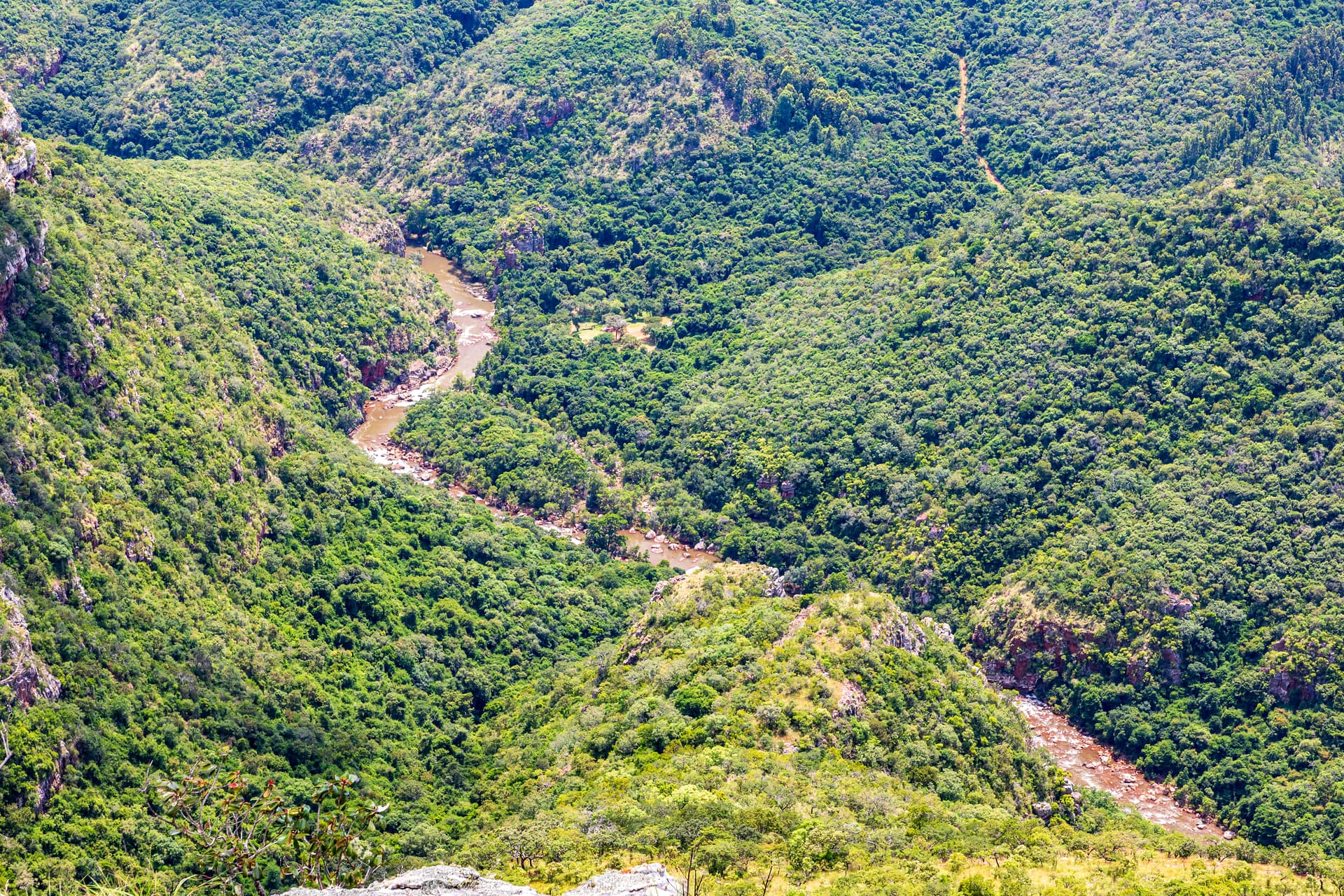
Mist clings to the ancient trees as you step into Bwindi Impenetrable Forest, where the air hums with the calls of unseen creatures and the ground beneath your boots tells stories of millennia. This UNESCO World Heritage Site, home to half the world's mountain gorillas, offers an encounter that transcends mere sightseeing — you become part of a living, breathing ecosystem that has endured since the last ice age. Now, with conservation efforts yielding record numbers of gorilla families, this is the moment to witness these gentle giants in their natural realm. This comprehensive travel guide covers everything from gorilla trekking logistics to the best ways to experience Uganda's biodiversity hotspot, ensuring your journey into Bwindi is as rewarding as it is unforgettable.
Why Visit Bwindi Impenetrable Forest
Bwindi Impenetrable Forest stands out as Uganda's premier gorilla trekking destination, offering encounters with mountain gorillas that surpass those in Rwanda's Volcanoes National Park due to its denser forest and longer viewing times. As one of Africa's oldest rainforests, it boasts unparalleled biodiversity, with over 350 bird species and 200 tree species crammed into its 331 square kilometres, making it a living museum of evolution. The forest's UNESCO status underscores its global importance as a biodiversity hotspot, where you witness gorillas in their most natural, undisturbed habitat. Unlike other East African safaris, Bwindi combines primate encounters with immersive forest walks that reveal waterfalls, medicinal plants, and pygmy communities, creating a holistic African adventure that appeals to both wildlife enthusiasts and cultural explorers.
Top Attractions & Experiences
Gorilla Trekking
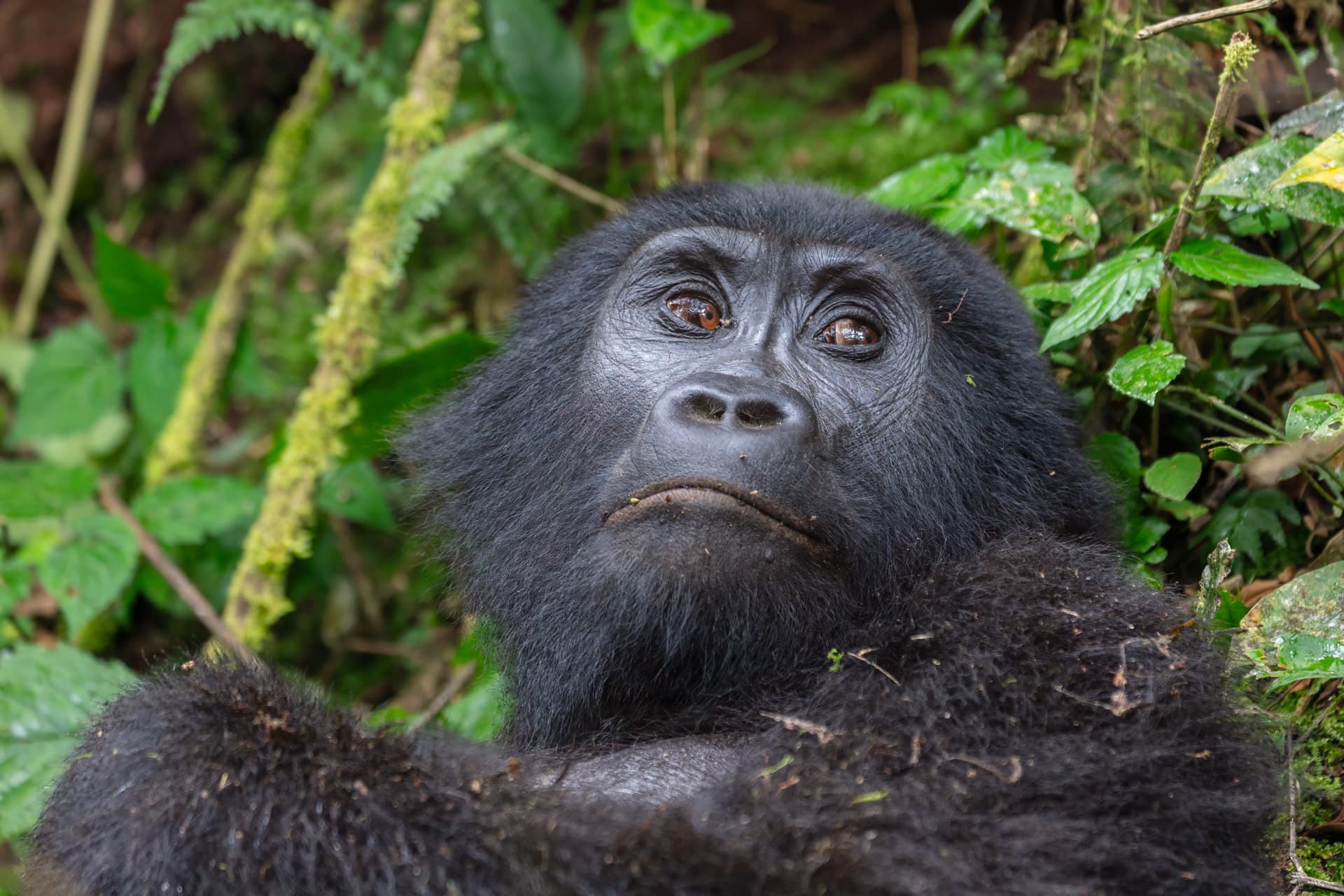
You lace up your boots and join a small group of eight trekkers, guided by experienced rangers who know the forest's secrets. The trek begins at dawn, winding through dense undergrowth where vines tangle like nature's own maze, and the air grows thick with humidity. After hours of careful ascent, you spot them — a family of mountain gorillas, their silverbacks weighing up to 200 kilograms, peacefully foraging. You spend an hour observing their interactions, watching infants play and adults groom each other, all while maintaining the mandatory seven-metre distance. Permits cost $700 per person, and the experience lasts four to eight hours, depending on the group's location.
Batwa Pygmy Cultural Encounters
Deep in the forest, you meet members of the Batwa pygmy community, indigenous people who have lived in harmony with Bwindi for generations. They demonstrate traditional hunting techniques using handmade bows and arrows, share stories of forest spirits, and perform dances that echo ancient rhythms. You learn about their medicinal plants and sustainable harvesting practices, gaining insight into a way of life that predates modern conservation. These encounters, often arranged through local cooperatives, cost around $20–$30 per person and provide a respectful bridge between tourism and cultural preservation.
Waterfall Hikes
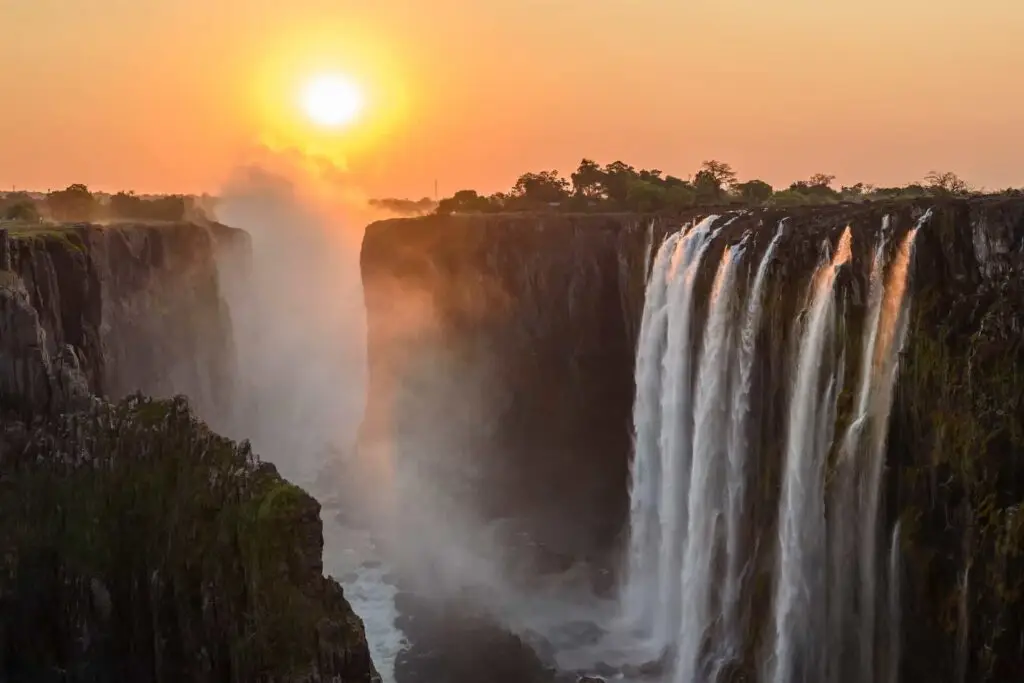
Bwindi's waterfalls cascade through the forest like liquid diamonds, and you hike to Munyaga Falls, where the river plunges 40 metres into a misty pool below. The trail takes you through bamboo groves and giant heather, with viewpoints offering panoramic forest vistas. At Muzabajiro Falls, you can swim in the natural pools formed by the cascades, feeling the cool water against your skin as birds call overhead. These hikes range from two to four hours and require a guide, with entry fees of about $10–$15 per person.
Birdwatching
Over 350 bird species inhabit Bwindi, including 23 Albertine Rift endemics found nowhere else on Earth. You join a guided birdwatching tour, binoculars in hand, spotting the African green broadbill with its electric blue plumage or the Rwenzori turaco's crimson crest. The forest's canopy provides perfect habitat, and early mornings yield the best sightings. Tours cost $30–$50 per person and can be combined with gorilla trekking for a full day of avian discovery.
Community Tourism Initiatives
You visit Buhoma Village, where community projects showcase sustainable tourism. Here, you participate in tree-planting activities, learn about bee-keeping cooperatives, and sample local crafts. The initiatives support conservation while providing income for locals, and you see firsthand how tourism funds anti-poaching patrols. These experiences cost $15–$25 and offer a meaningful way to contribute to Bwindi's protection.
Best Time to Visit
Bwindi Impenetrable Forest experiences two main seasons: the dry season from June to September and December to February, and the wet season from March to May and October to November. The absolute best time to visit is during the dry months, when trails are less muddy and gorilla viewing is optimal, though June to August brings cooler temperatures and occasional mist. December to February offers the warmest weather, with temperatures averaging 20–25°C, but expect some afternoon showers. The wet season brings lush greenery and fewer crowds, but slippery paths can make trekking challenging.
For gorilla trekking, dry season visibility is superior, while wet season encounters might be closer due to gorillas staying lower. Peak season (June–September) sees higher prices and more tourists, while shoulder months (October–November) provide good value. Avoid March to May if you dislike heavy rain, as this period can see up to 200mm monthly precipitation.
Best overall: June–September
Gorilla viewing peak: June–August
Budget travel: October–February
Avoid: March–May — heavy rains make trails difficult
Getting There
You fly into Entebbe International Airport, Uganda's main gateway, served by airlines like Kenya Airways, Ethiopian Airlines, and British Airways from London (approximately 8–9 hours) or Dubai (6–7 hours). From Entebbe, domestic flights to Kihihi Airport near Bwindi take about 1.5 hours on airlines such as Aerolink or Eagle Air. Alternatively, drive from Kampala (4–5 hours) or Entebbe (5–6 hours) via the Kampala–Mbarara highway, though road conditions vary.
Kihihi Airport is the closest, just 15 minutes from Buhoma village, making it ideal for gorilla trekkers. International connections often route through Nairobi or Addis Ababa, adding 1–2 hours to your journey. For those combining Bwindi with other Ugandan destinations, consider starting in Kampala for better flight options.
Visa & Entry Requirements
Uganda offers visa on arrival for most nationalities, including UK, US, Canadian, and EU passport holders, valid for 90 days and costing $80. Citizens of some countries, like Kenya and Tanzania, enter visa-free. You need a passport valid for at least six months beyond your travel dates, and yellow fever vaccination is recommended if you're coming from or transiting through an endemic area. Check the Uganda Directorate of Citizenship and Immigration website for the latest requirements, as policies can change.
For gorilla permits, you must book in advance through Uganda Wildlife Authority, providing passport details. No special visas are needed beyond the standard entry permit.
Getting Around
In Bwindi, you rely on guided walks and hired vehicles, as the forest is inaccessible by public transport. From Kihihi Airport, arrange a transfer to your lodge (about $20–$30). Within the park, rangers guide all activities, and you hike on foot — no vehicles enter the forest. For multi-day stays, hire a 4x4 for transfers between villages like Buhoma and Nkuringo.
Independent travellers can use boda-bodas (motorcycle taxis) for short distances, but guided tours provide safer, more informative transport. Road conditions are good on main routes but deteriorate in rain, so a local driver is advisable. Most lodges offer airport pickups, simplifying logistics.
Accommodation Guide
Bwindi offers accommodation ranging from basic guesthouses to luxury lodges, concentrated in villages like Buhoma, Nkuringo, and Rushaga. Budget options include community bandas and guesthouses at under $80 per night, with shared facilities and simple meals. Mid-range choices like Buhoma Lodge provide en-suite rooms and forest views for $80–$250 per night. Luxury stays at Mahogany Springs or Gorilla Forest Camp feature private villas and gourmet dining, costing $250–$1,000+ per night.
Safari camps offer an authentic experience, with tented options blending comfort and wilderness. Prices include meals and some activities, and proximity to the park entrance is key for early starts. Book ahead, especially during peak season, as options fill quickly.
Food & Culture
Ugandan cuisine in Bwindi features matoke (steamed plantains) and groundnut stew, often served with fresh tilapia from local rivers. You try luwombo, a steamed dish of meat or fish wrapped in banana leaves, reflecting the region's agricultural heritage. Cultural etiquette emphasises greeting elders with respect, and you participate in community dances that honour the forest's spirits.
The Batwa pygmies' traditions include storytelling around fires, sharing myths of the forest's creation. Festivals like the Imbalu circumcision ceremony in nearby areas highlight Buganda culture, though Bwindi itself focuses on conservation and community harmony.
Budget & Cost Guide
A trip to Bwindi costs $150–$300 per day for budget travellers, including basic accommodation, local meals, and park fees. Mid-range visitors spend $300–$600 daily, with comfortable lodges and guided tours. Luxury travellers budget $600+ per day for high-end camps and private experiences.
Breakdown: Accommodation $50–$500, food $20–$100, transport $50–$200, activities (gorilla permit $700, other tours $20–$50). The Ugandan shilling is the currency, but USD is widely accepted. Gorilla permits dominate costs, but community tourism keeps expenses manageable.
Budget traveller: ~$150–$300 per day
Mid-range traveller: ~$300–$600 per day
Luxury traveller: $600+ per day
Travel Tips & Safety
Protect yourself from malaria by taking prophylaxis like doxycycline and using repellent, as Bwindi is in a high-risk area. Get comprehensive travel insurance covering adventure activities and medical evacuation. Carry cash for tips and small purchases, as cards aren't always accepted.
Be cautious of slippery trails during rain, and respect wildlife — maintain distance from gorillas. Pack sturdy boots, rain gear, and layers for varying temperatures. Stay hydrated and inform guides of any health issues. Bwindi is generally safe, with low crime rates, but standard precautions apply in villages.