Chefchaouen (Morocco)
Africa Travel Bookings
· 5 min read
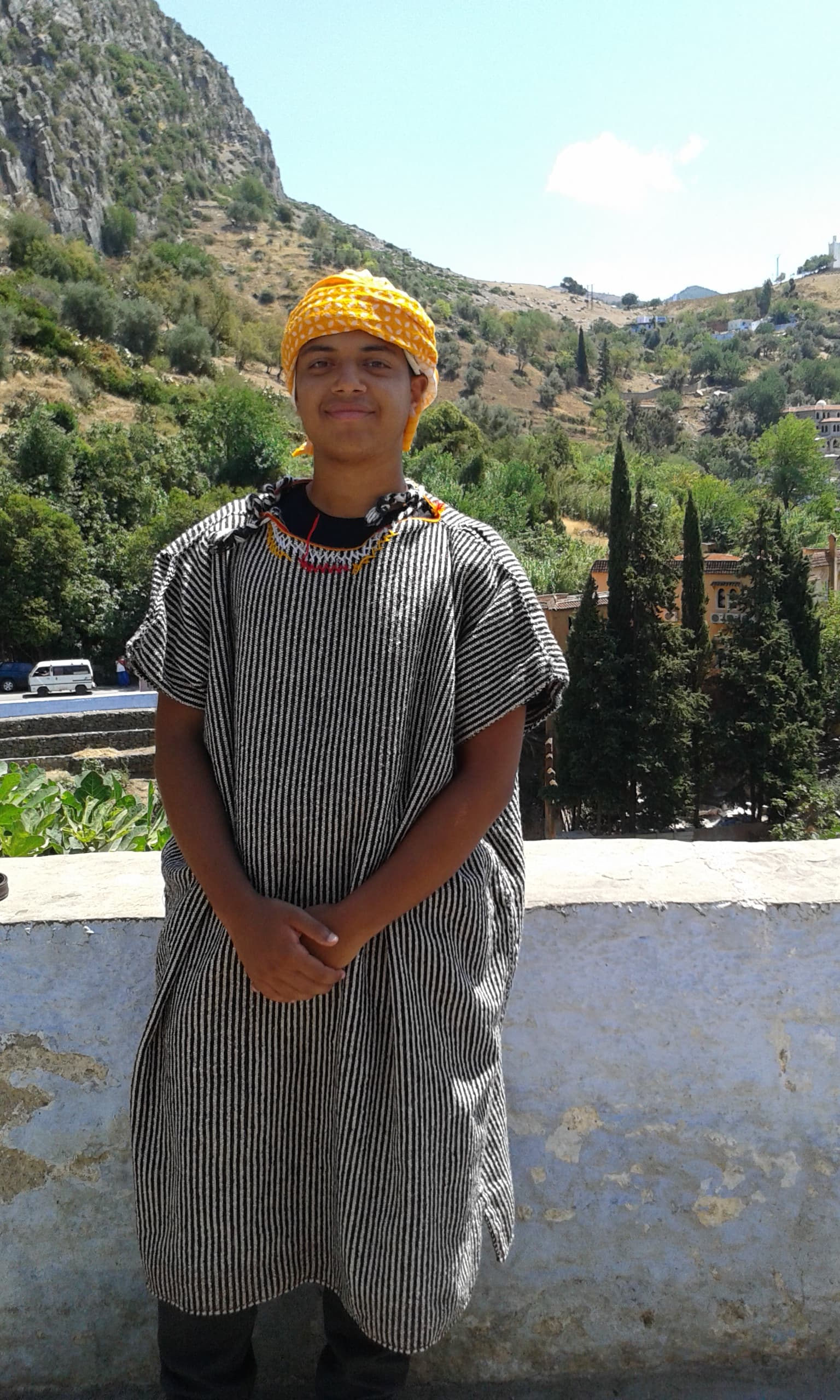
You step into a world painted in shades of azure, where every wall, door, and rooftop gleams under the North African sun. Chefchaouen, nestled in the rugged Rif Mountains of northern Morocco, unfolds as a living canvas of blue-washed buildings that seem to have tumbled straight from a dream. This medieval medina, with its labyrinthine alleys and mountain vistas, offers a serene escape from the bustle of Marrakech or the coastlines of Agadir. Now, as Morocco opens up to more international visitors post-pandemic, Chefchaouen provides an authentic cultural immersion without the crowds of more touristy spots. This comprehensive travel guide covers everything you need to know about visiting Chefchaouen, from its iconic blue architecture to the best hiking trails and local markets.
Why Visit Chefchaouen
Chefchaouen captivates with its unique blue-washed architecture, a tradition dating back to the 15th century when Jewish refugees painted the town to symbolise heaven and ward off mosquitoes. Unlike the red-hued medinas of Marrakech or Fez, Chefchaouen's cobalt palette creates a tranquil, almost otherworldly atmosphere that photographers and artists adore. The town's position in the Rif Mountains offers stunning hiking opportunities, with trails leading to waterfalls and panoramic viewpoints that rival those in the Atlas ranges. As one of Morocco's few UNESCO-recognised sites for cultural heritage, it preserves authentic Berber traditions and crafts that have largely disappeared elsewhere. Finally, its relative seclusion means you experience genuine Moroccan hospitality, with fewer hawkers and more meaningful interactions than in coastal resorts.
Top Attractions & Experiences
The Blue Medina
Wander through Chefchaouen's historic medina, where narrow alleys twist and turn like a maze designed by the mountains themselves. The blue-washed walls, painted annually by locals, create a cool, calming effect that contrasts beautifully with the surrounding green hills. You pass by small shops selling handmade rugs and spices, while the scent of mint tea wafts from nearby cafés. The medina's main square, Place Outa el Hammam, buzzes with activity as vendors hawk fresh produce and artisans demonstrate traditional crafts. Entry is free, and the medina operates around the clock, though mornings offer the best light for photographs.
Chefchaouen Waterfalls
Hike up to the Akchour Waterfalls, a series of cascading falls about 2km from the town centre, where crystal-clear water plunges into natural pools perfect for a refreshing dip. The trail winds through pine forests and offers breathtaking views of the Rif Mountains. You reach the main waterfall after a moderate 30-minute climb, and in spring, the flow is at its most spectacular. Locals often picnic here, and you can join them for a simple lunch of bread and cheese. The site costs nothing to visit, and it's busiest on weekends when families come to escape the heat.
Souk el Had
Dive into the vibrant Souk el Had market, where you bargain for everything from leather goods to fresh herbs. The market comes alive on Thursdays and Sundays, with vendors displaying colourful spices, handwoven textiles, and traditional Berber jewellery. You haggle for prices in a mix of Arabic, Berber, and broken French, learning about local customs as you go. The souk's atmosphere is electric, with the sounds of bartering and the smells of saffron and cumin filling the air. It's free to enter, and you can spend hours exploring the stalls that line the narrow streets.
Kasbah Museum
Explore the 15th-century Kasbah, a fortress that now houses a small museum showcasing Chefchaouen's history and culture. Inside, you find displays of traditional weapons, costumes, and archaeological artefacts from the region's Berber past. The museum's rooftop offers panoramic views of the blue medina below, making it a perfect spot for sunset photos. Entry costs around $2, and it's open daily from 9am to 5pm. The Kasbah's architecture, with its thick walls and arched doorways, gives you a glimpse into Morocco's defensive past.
Hiking the Rif Mountains
Embark on a day hike through the Rif Mountains, where trails lead to hidden villages and olive groves. You follow paths used by local shepherds, passing terraced fields and wildflowers that bloom in spring. The hikes range from easy walks to challenging treks, with options for all fitness levels. Guides cost about $20 per person for a half-day excursion, and you often end at a mountain café for mint tea. The views of Chefchaouen from above are unforgettable, with the blue buildings contrasting against the green slopes.
Hammam Experience
Indulge in a traditional Moroccan hammam at one of the local bathhouses, where you experience a centuries-old ritual of cleansing and relaxation. You start in the hot room, sweating out impurities, then move to cooler areas for exfoliation with black soap and vigorous scrubbing by attendants. The experience lasts about two hours and costs around $10–$15. It's a cultural highlight, offering insight into Moroccan wellness practices, and you leave feeling rejuvenated and connected to local traditions.
Best Time to Visit
Chefchaouen's Mediterranean climate makes it pleasant year-round, but the best time depends on your interests. Spring (March to May) brings wildflowers and mild temperatures, perfect for hiking, though occasional rain can make trails slippery. Summer (June to August) is hot and dry, with temperatures reaching 30°C, ideal for those seeking sun but less comfortable for strenuous activities. Autumn (September to November) offers stable weather and fewer crowds, making it excellent for cultural immersion. Winter (December to February) is cooler, with possible snow on the mountains, and the medina feels cozier.
Best overall: March to May or September to November
Hiking peak: April to June
Budget travel: October to December
Avoid: July and August — intense heat and peak tourist season
The Rif Mountains experience distinct seasons that affect visibility and trail conditions. In winter, fog can obscure views, while summer heat makes early morning hikes preferable. Festivals like the Cherry Festival in June add cultural vibrancy, but expect higher prices and crowds.
Getting There
You fly into Tangier Ibn Battuta Airport (TNG), the closest international gateway, about 100km from Chefchaouen. Direct flights arrive from major European cities like London (flight time: 3 hours), Paris (2.5 hours), and Amsterdam (3 hours), as well as from Dubai (7 hours) via connections. Moroccan airlines like Royal Air Maroc and Ryanair serve the route frequently. From Tangier, you take a taxi or bus to Chefchaouen, a scenic 2-hour drive through the mountains. Alternatively, fly into Marrakech (RAK) or Casablanca (CMN) and connect via domestic flights or a long bus ride.
Visa & Entry Requirements
Most visitors enter Morocco visa-free for up to 90 days, including citizens of the UK, US, Canada, Australia, and many EU countries. You need a valid passport with at least six months' validity beyond your travel dates. No vaccinations are required for entry, though hepatitis A and typhoid shots are recommended for rural areas. For visa information, check the official Moroccan immigration website or your embassy. Note that rules can change, so verify before travel.
Getting Around
Chefchaouen is compact and pedestrian-friendly, so you walk most places within the medina. For longer distances, hire a local taxi or use shared vans called "grands taxis" to nearby villages. Renting a car is possible but challenging due to narrow mountain roads; a driver-guide costs about $50 per day. Guided tours often include transport, making it easier for independent travellers. The town has no public buses, but walking tours are popular for exploring the blue alleys.
Accommodation Guide
Budget options include guesthouses in the medina, where you stay in simple rooms with shared bathrooms for $20–$40 per night. Mid-range hotels like Dar Echchaouen offer comfortable rooms with mountain views for $50–$100 per night. Luxury stays feature riads with private terraces and traditional decor, costing $150–$300 per night. Most accommodation clusters in the medina or nearby hills, providing easy access to attractions. For an authentic experience, choose a family-run guesthouse where you enjoy home-cooked meals.
Food & Culture
Savour tagine, a slow-cooked stew of meat and vegetables served in conical pots, often featuring lamb with prunes and almonds. Try pastilla, a flaky pastry filled with pigeon or chicken and dusted with cinnamon and sugar. Mint tea accompanies every meal, symbolising hospitality. Respect local customs by removing shoes when entering homes and greeting with "Salaam Alaikum." The annual Moussem of Sidi Ali Azra festival honours a local saint with music and processions, offering a glimpse into Berber traditions.
Budget & Cost Guide
Budget traveller: ~$40–$60 per day
Mid-range traveller: ~$60–$120 per day
Luxury traveller: $120+ per day
Accommodation takes the biggest share, with budget stays at $20–$40. Food costs $10–$20 daily, including street eats and cafés. Transport is cheap, under $10 for taxis. Activities like museum entry or guided hikes add $20–$50. The Moroccan dirham is the currency, and USD is accepted in tourist areas.
Travel Tips & Safety
Carry insect repellent for mountain hikes, as mosquitoes can be bothersome. Purchase travel insurance covering adventure activities like hiking. Stay aware of your surroundings in crowded markets, and avoid isolated trails after dark. Pack layers for variable mountain weather, including a light jacket for evenings. Chefchaouen is generally safe, with low crime rates, but use common sense as in any destination.