Chobe National Park (Botswana)
Africa Travel Bookings
· 5 min read
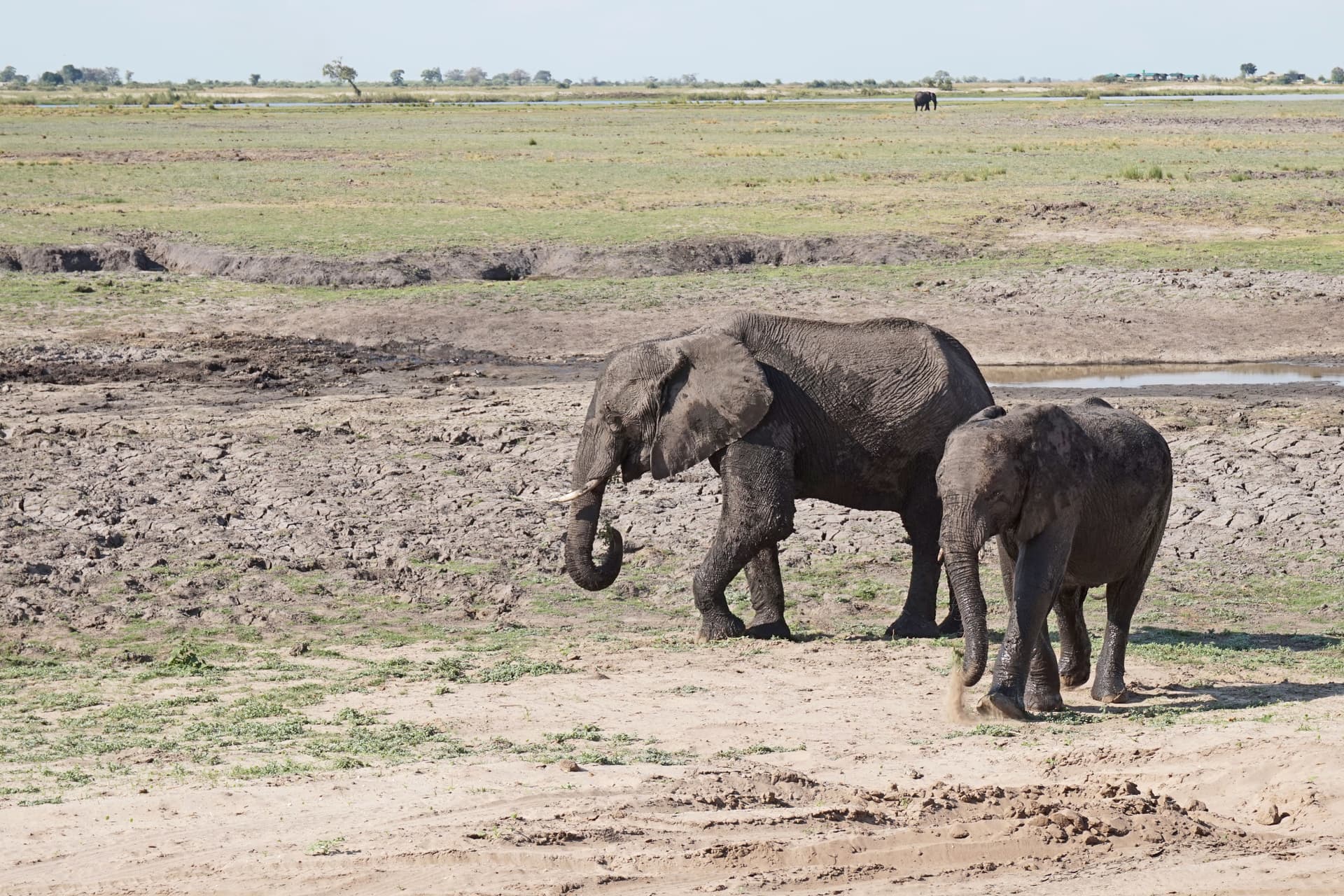
The Chobe River flows lazily through the heart of Botswana, its waters teeming with life as a herd of elephants crosses from Namibia, their massive forms silhouetted against the setting sun. Chobe National Park pulses with raw African energy, where the air hums with the calls of birds and the distant roar of lions. This is Botswana's crown jewel of wildlife viewing, a place where the continent's most iconic animals gather in numbers that defy belief. With over 120,000 elephants roaming its plains and riverbanks, Chobe offers an unparalleled safari experience that combines the thrill of the wild with the serenity of untouched landscapes. This comprehensive guide explores everything you need to know about visiting Chobe National Park, from the best times to witness the Great Elephant Migration to the finest lodges for an unforgettable stay.
Why Visit Chobe National Park
Chobe National Park stands out as Botswana's premier wildlife destination, renowned globally for its extraordinary elephant populations and diverse ecosystems. You will encounter more elephants here than anywhere else on Earth, with herds numbering in the thousands that roam freely along the Chobe River. The park's unique position at the confluence of four countries creates a biodiversity hotspot, attracting predators like lions and leopards that follow the migrating herds. Unlike the vast open plains of the Serengeti, Chobe's riverine landscapes offer intimate encounters with wildlife, where you can watch hippos wallow in the shallows and crocodiles bask on sandy banks. As a UNESCO-recognised conservation area, Chobe represents Botswana's commitment to sustainable tourism, ensuring pristine habitats for generations to come.
Top Attractions & Experiences
Chobe River Safaris
Glide along the Chobe River in a sturdy boat, the water lapping gently against the hull as you scan the banks for wildlife. This is Chobe's signature experience, where you witness elephants bathing in the shallows, their trunks spraying water in playful arcs. Hippos grunt from submerged positions, their eyes just above the surface, while crocodiles lie motionless on sandy spits. Birdlife explodes around you, with fish eagles soaring overhead and kingfishers darting along the water's edge. Boat safaris operate from dawn until dusk, with experienced guides pointing out the subtle signs of wildlife activity. Expect to pay around $20–$30 per person for a two-hour cruise, and remember to bring binoculars and a light jacket for early morning trips.
Elephant Viewing
Chobe hosts the world's largest elephant population, and nowhere is this more evident than during the dry season migrations. You will see family groups of up to 50 individuals, led by wise matriarchs, as they cross the river in search of greener pastures. Calves play in the dust while adults forage on acacia trees, their tusks gleaming in the sunlight. Game drives through the park reveal these gentle giants at close quarters, sometimes within metres of your vehicle. The elephants' intelligence shines through in their complex social structures, and guides share stories of individual animals they've tracked for years. This intimate connection with such majestic creatures creates memories that last a lifetime.
Savuti Marsh
Venture into the Savuti region, where ancient marshlands tell stories of Botswana's geological past. This area transforms dramatically between seasons, from lush wetlands teeming with birds to cracked earth during the dry months. You encounter prides of lions that have adapted to the changing landscape, their hunting strategies evolving with the environment. Leopards prowl the acacia woodlands, while packs of wild dogs chase impalas across the plains. The Savuti Channel, a seasonal waterway, attracts massive herds of buffalo and zebra. Guided walks reveal smaller wonders, like intricate termite mounds and vibrant wildflowers. This diverse ecosystem showcases Chobe's adaptability and the resilience of its wildlife.
Linyanti Wildlife Reserve
Adjacent to Chobe National Park, the Linyanti Reserve offers exclusive safari experiences with fewer crowds. You explore pristine wilderness areas accessible only by air or guided vehicle, where you might spot rare species like the African wild dog or the elusive sitatunga antelope. The reserve's palm-fringed rivers provide habitats for colourful birds and nocturnal creatures. Night drives reveal a different world, with eyeshine from predators and the calls of frogs filling the darkness. Luxury mobile camps move with the seasons, ensuring you stay in the heart of the action. This area appeals to those seeking authentic, low-impact encounters with Botswana's wild side.
Chobe Bush Lodge and Environs
Experience Chobe from the comfort of riverside lodges that blend seamlessly with the landscape. You wake to the sound of lions roaring across the river, then embark on morning game drives that reveal the park's secrets. Afternoon boat cruises offer a different perspective, with sundowners on the deck as the sun dips below the horizon. The lodges' expert guides, many with decades of experience, share insights into animal behaviour and conservation efforts. Cultural interactions with local communities provide context to your safari, explaining how indigenous peoples have lived in harmony with this land for generations. These immersive experiences transform a simple trip into a profound journey of discovery.
Best Time to Visit
Chobe National Park experiences distinct seasons that dramatically affect wildlife viewing and travel conditions. The dry season, from May to October, offers the best overall safari experience with clear skies and concentrated wildlife around water sources. This period coincides with the Great Elephant Migration, when thousands of elephants cross from Namibia, creating unforgettable sightings. Temperatures range from 20–30°C during the day, cooling to 10–15°C at night, making it comfortable for game drives and boat safaris.
The wet season, November to April, brings lush greenery and breeding activity, but heavy rains can make roads impassable and reduce visibility. However, this time reveals Chobe's avian diversity, with migratory birds arriving from Europe and Asia. The landscape transforms into a verdant paradise, though mosquitoes and humidity increase.
Best overall: May–October
Wildlife peak: June–September
Budget travel: November–March
Avoid: January–February (peak rains, limited access)
Shoulder seasons in April and November provide good value with fewer crowds and still excellent wildlife viewing. Always check weather forecasts and road conditions before planning your trip.
Getting There
Chobe National Park is most easily accessed via Kasane Airport (BBK), Botswana's northern gateway. International flights arrive from Johannesburg, Cape Town, and Windhoek, with connections through South African Airways, Air Botswana, and regional carriers. Flight duration from Johannesburg is about 1.5 hours, while connections from London typically involve a stop in Johannesburg or Dubai, taking 12–15 hours total.
Maun Airport (MUB) serves as an alternative entry point, about 500km south, with daily flights from Johannesburg (2 hours) and connections to other African hubs. From Maun, you can arrange light aircraft charters to Chobe, taking 1–1.5 hours. Domestic flights within Botswana connect major cities, and regional airlines like Airlink and Fastjet serve multiple routes.
Transit through Johannesburg remains the most convenient for international travellers, with excellent connections to Europe, North America, and the Middle East. Always confirm flight schedules, as some routes operate seasonally.
Visa & Entry Requirements
Botswana offers visa-free entry for citizens of over 80 countries, including the UK, US, Canada, Australia, and most EU nations, for stays up to 90 days. You simply present your passport at the border or airport, and immigration officials issue a free entry stamp. Citizens of countries like India, China, and some African nations require a visa, obtainable online through the Botswana e-Visa system for $80–$120, processed within 2–3 days.
Your passport must be valid for at least six months beyond your intended departure date. No vaccinations are mandatory for entry, though yellow fever certificates are recommended if travelling from or through endemic areas. Health insurance covering medical evacuation is strongly advised, given Chobe's remote location. Always verify current requirements with the Botswana Department of Immigration and Citizenship, as policies can change.
Getting Around
Chobe National Park requires careful planning for internal transport, with most visitors relying on guided safari operators. 4x4 vehicles handle the park's sandy tracks and seasonal roads, while boats navigate the Chobe River for unique perspectives. Independent travellers can rent vehicles in Kasane, but guided tours provide expert knowledge and safety.
Transfers between lodges and the park gates typically cost $50–$100 per person, depending on distance. Light aircraft charters connect remote areas like Savuti, with flights from $200–$400 per person. Walking is limited to designated areas with armed guides, ensuring safety in elephant country. Public transport is minimal, so most journeys involve pre-arranged safari vehicles or boats. Road conditions vary seasonally, with wet season travel requiring higher-clearance vehicles.
Accommodation Guide
Chobe offers accommodation ranging from budget camps to ultra-luxury river lodges, concentrated around Kasane and within the park boundaries. Budget options include basic guesthouses and self-catering chalets in Kasane, starting at $50–$80 per person per night, providing a base for day trips into the park. These offer clean, simple facilities with shared amenities.
Mid-range travellers find comfortable lodges with private bathrooms and dining, costing $80–$250 per night. Places like Chobe Safari Lodge offer river views and organised game drives, with prices including some meals and activities.
Luxury experiences dominate Chobe, with exclusive camps and lodges charging $250–$1,000+ per person per night. Iconic properties like Chobe Game Lodge feature private plunge pools and personalised guides, while mobile tented camps in remote areas reach $500–$2,000 per person for all-inclusive packages. These ultra-luxury options include gourmet meals, premium wines, and helicopter transfers, creating bespoke safari experiences.
Food & Culture
Botswana's culinary scene blends traditional Setswana dishes with international influences, reflecting the country's diverse cultural heritage. You savour seswaa, a slow-cooked beef stew pounded to a tender consistency, often served with pap (maize porridge) and morogo (wild spinach). Mopane worms, a seasonal delicacy, provide protein-rich snacks when prepared correctly.
Cultural experiences centre on the San people's ancient traditions, with rock art sites dating back 2,000 years. Visitors learn about bushman tracking skills and traditional healing practices. The Kgotla system, community meetings under a tree, demonstrates Botswana's democratic roots. Respectful interactions include removing shoes when entering homes and using both hands when receiving gifts. Festivals like the Gaborone International Music Festival showcase contemporary culture, while rural villages offer insights into daily life.
Budget & Cost Guide
Chobe National Park caters to various budgets, though safari costs dominate expenses. Budget travellers manage on $100–$150 per day, staying in basic accommodation, eating local meals, and joining group safaris. Mid-range visitors spend $150–$300 daily, opting for comfortable lodges and private game drives. Luxury travellers exceed $300 per day, with all-inclusive packages including premium accommodation and exclusive activities.
Accommodation ranges from $50 for budget options to $1,000+ for luxury camps. Food costs $10–$50 per meal, depending on dining choices. Transport and activities, including park fees ($30 per day) and boat safaris ($25–$40), add $50–$200 daily. The Botswana Pula (BWP) is the local currency, with USD widely accepted in tourist areas. Prices remain stable, though peak season sees slight increases.
Budget traveller: ~$100–$150 per day
Mid-range traveller: ~$150–$300 per day
Luxury traveller: $300+ per day
Travel Tips & Safety
Chobe demands respect for its wildlife, so maintain safe distances from animals, especially elephants and hippos. Carry plenty of water during game drives, as dehydration occurs quickly in the heat. Malaria prophylaxis is essential year-round, with mosquito nets provided in most lodges. Yellow fever vaccination is recommended if visiting from endemic areas.
Comprehensive travel insurance covers medical evacuation, crucial in remote areas. Pack light, breathable clothing, sturdy walking shoes, and sun protection. Binoculars enhance wildlife viewing, while a light rain jacket helps during wet season. Respect local customs by dressing modestly in villages and supporting community conservation efforts.
Safety remains high in Chobe, with professional guides ensuring secure experiences. Avoid walking alone at night, and follow park rules regarding wildlife interactions. Emergency services are available through lodges, with radio communication to medical facilities.