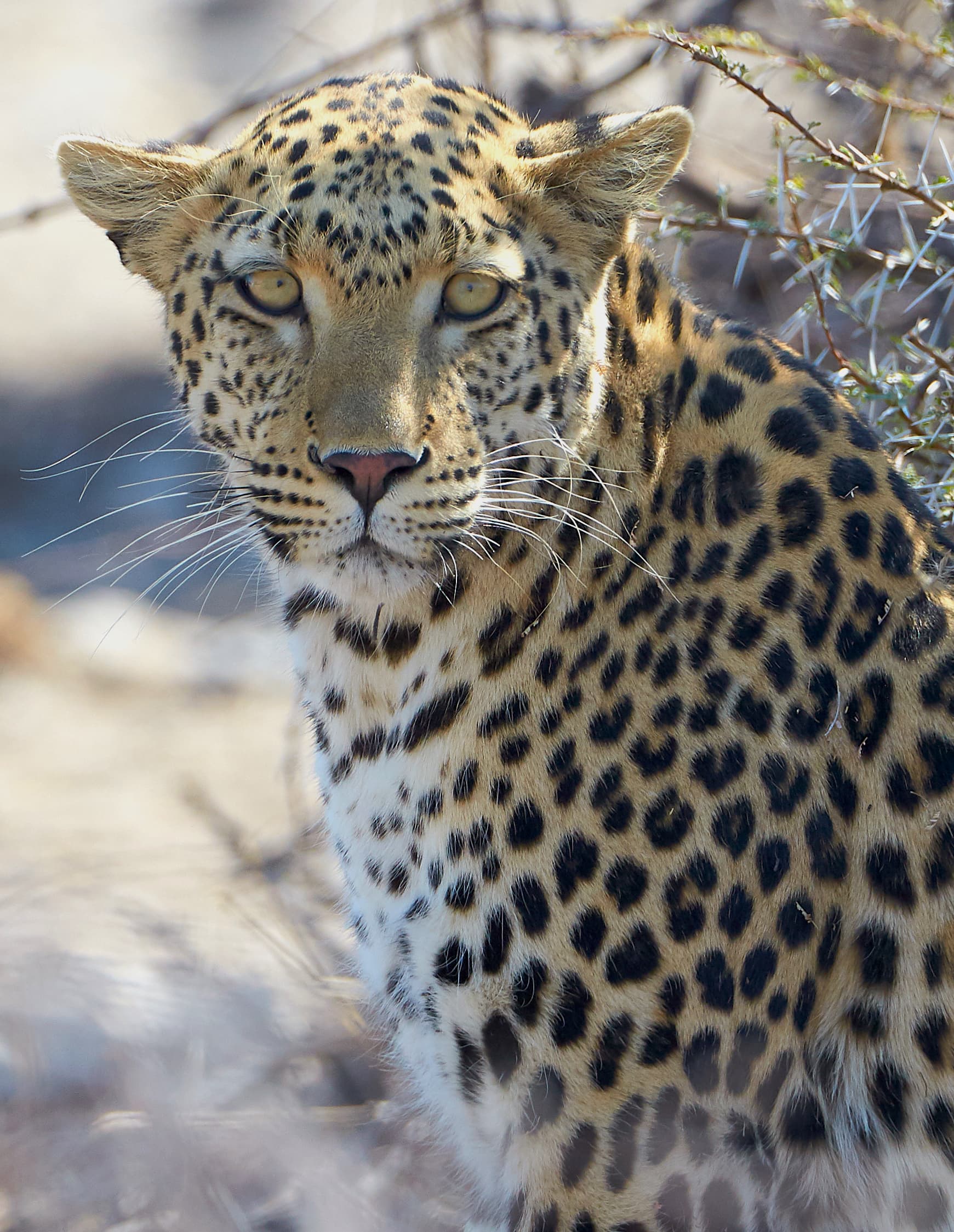
Etosha National Park (Namibia)
Africa Travel Bookings
· 5 min read
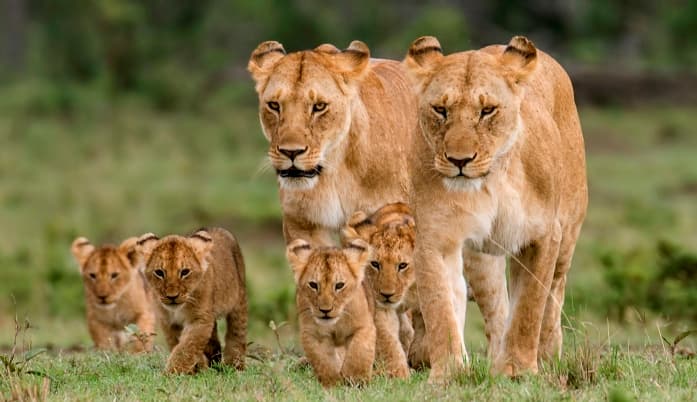
The sun dips low over the Kalahari sands, casting long shadows across the vast Etosha Pan as a herd of elephants ambles towards a distant waterhole. You sit in your open Land Cruiser, the air thick with the scent of dust and wild sage, watching as a lioness emerges from the golden grass, her eyes locking onto a distant impala. This is Etosha National Park, Namibia's crown jewel of wildlife conservation, where the stark beauty of the desert meets one of Africa's most accessible big game experiences. Etosha offers unparalleled opportunities to witness the continent's iconic animals in their natural habitat, from the world's largest salt pan to hidden springs that sustain life in the arid landscape. This comprehensive travel guide covers everything you need to know about planning your Etosha safari, from the best game drives to accommodation options and practical logistics.
Why Visit Etosha National Park
Etosha National Park stands out as Namibia's premier wildlife destination, offering a safari experience that combines accessibility with raw African wilderness. Unlike the crowded reserves of East Africa, Etosha provides intimate encounters with wildlife in a landscape that feels both ancient and alive, where you can spot the Big Five within a single day. The park's unique salt pan ecosystem creates a dramatic backdrop for game viewing, with over 100 mammal species roaming freely across 22,270 square kilometres. Etosha holds UNESCO recognition for its conservation efforts and serves as a critical corridor for migrating herds, making it a vital link in Africa's wildlife network. Visitors return with stories of encounters that feel personal and profound, from watching black rhinos at waterholes to witnessing the delicate balance of desert life.
Top Attractions & Experiences
The Etosha Pan
You stand at the edge of the Etosha Pan, a shimmering white expanse that stretches to the horizon like a frozen sea. This vast salt flat, measuring 120 kilometres by 72 kilometres, transforms dramatically with the seasons, from a cracked desert floor to a shallow lake during rare rains. Drive along the pan's edge in your safari vehicle, where you might spot flamingos wading in seasonal waters or herds of zebras grazing on the fringes. The pan's mineral-rich soil attracts wildlife year-round, creating natural salt licks that draw elephants and other animals. Entry to the pan area requires a separate permit, but the experience of crossing this otherworldly landscape remains one of Etosha's most memorable moments.
Okaukuejo Waterhole
Position yourself at Okaukuejo's illuminated waterhole after dark, where floodlights reveal a nocturnal world of wildlife drama. Elephants trumpet as they approach for their evening drink, lions lurk in the shadows waiting for prey, and hyenas cackle from the darkness. This permanent water source, one of Etosha's most reliable, attracts a constant stream of animals throughout the day and night. You can watch from the safety of the camp's viewing deck or join guided night drives to witness the pan's predators in action. The waterhole's electric fence keeps dangerous animals at bay while allowing smaller creatures to pass through, creating a unique wildlife theatre that operates 24 hours a day.
Halali Waterhole
Halali's waterhole offers a more intimate safari experience, set within a dense mopane woodland that provides natural cover for approaching animals. Spend your afternoons watching from the camp's elevated platform as giraffes stretch their long necks to drink, while warthogs root around the edges and birds dive for fish in the shallows. The surrounding forest creates a sense of enclosure, making wildlife encounters feel closer and more personal than at the open pans. Halali serves as an excellent base for exploring the park's central regions, with well-maintained roads leading to nearby game viewing areas. The camp's restaurant and pool area provide comfortable respite between drives.
Namutoni Waterhole
Perched on the eastern edge of Etosha, Namutoni waterhole combines historical charm with exceptional wildlife viewing. The old German fort, built in 1892, stands as a reminder of the park's colonial past, while the waterhole below attracts a diverse array of animals. You might witness zebras and wildebeest drinking alongside antelopes and birds, creating a lively scene that changes throughout the day. The elevated viewing platform offers panoramic views of the surrounding plains, and the camp's location makes it ideal for day trips to nearby Onguma Gate. Namutoni's unique position allows you to experience both the park's eastern woodlands and the vast central plains.
Dolomites and Western Etosha
Venture into the rugged western reaches of Etosha, where granite hills rise from the plains like ancient sentinels. The Dolomites region offers a different landscape entirely, with rocky outcrops and acacia woodlands providing habitat for species less common in the east. You might spot Hartmann's mountain zebras, black-faced impalas, and the elusive roan antelope in this area. The western section requires more planning, with fewer camps and rougher roads, but rewards with a sense of true wilderness exploration. This part of the park showcases Etosha's geological diversity, from the red dunes of the Kalahari to the granite formations that give the area its name.
Rhino Conservation and Viewing
Etosha plays a crucial role in Namibia's rhino conservation efforts, home to both black and white rhino populations. Join specialised rhino tracking tours where experienced guides help you locate these endangered giants in their natural habitat. You learn about the park's anti-poaching measures and breeding programmes as you observe rhinos from a safe distance. The park's open landscapes make rhino viewing more accessible than in denser bushveld areas, though their elusive nature means sightings require patience and local knowledge. Your contribution to conservation through park fees directly supports these vital protection efforts.
Best Time to Visit
Etosha's seasons dramatically influence your safari experience, with wildlife behaviour and visitor numbers changing throughout the year. The dry season, from May to October, offers the best game viewing as animals concentrate around the remaining water sources. This period brings cooler temperatures and clear skies, though nights can drop below freezing. The wet season, from November to April, transforms the landscape with rains that create temporary waterholes and lush vegetation, but also brings mosquitoes and higher temperatures.
Best overall: May to September
Wildlife peak: June to September
Budget travel: November to March
Avoid: January to March — heavy rains make roads impassable
During the dry season, you witness the full spectacle of Etosha's wildlife concentrations, with elephants, lions, and rhinos gathering at waterholes. The cooler weather makes daytime game drives comfortable, though you need warm clothing for evenings. Shoulder seasons in April and October offer good wildlife viewing with fewer crowds and moderate temperatures. The wet season brings newborn animals and migratory birds, but rain can limit driving and visibility.
Getting There
You reach Etosha primarily through Namibia's main international gateway, Hosea Kutako International Airport near Windhoek, about 400 kilometres from the park. Direct flights connect Windhoek with major hubs like Johannesburg, Cape Town, and Frankfurt, with flight times around 2-3 hours from South Africa and 10-12 hours from Europe. From Windhoek, you drive approximately 4 hours to the park's eastern gates, or take domestic flights to Ondangwa Airport, which sits just 30 minutes from Onguma Gate.
Key airlines serving Namibia include Air Namibia, South African Airways, and British Airways, with connections through Johannesburg or Dubai. The park has three main entrance gates: Anderson Gate in the south, Onguma Gate in the east, and Von Lindequist Gate in the north. Most visitors enter through Onguma Gate due to its proximity to Windhoek and the main camps. Domestic flights from Windhoek to Ondangwa cost around $100-150 one-way and save significant driving time.
Visa & Entry Requirements
Namibia offers visa-free entry for citizens of over 50 countries, including the UK, US, Canada, Australia, and most EU nations, for stays up to 90 days. You need a valid passport with at least six months validity beyond your travel dates. South African passport holders receive 30 days visa-free, while citizens of some African nations may require visas.
For those needing visas, Namibia provides e-visas through their official immigration website, costing around $80 for single entry. Yellow Fever vaccination certificates are required if you travel from or through infected areas. No other vaccinations are mandatory, though hepatitis A, typhoid, and rabies are recommended for safari travel. Always verify current requirements with the Namibian embassy or immigration authorities before travel.
Getting Around
You navigate Etosha primarily by road, with well-maintained gravel tracks connecting the main camps and gates. Most visitors join guided safari tours that include 4x4 vehicles and experienced drivers, ideal for first-time visitors. Self-drive options exist for experienced drivers, but you need a 4x4 vehicle and should carry recovery gear, water, and emergency supplies.
The park spans 22,270 square kilometres, so internal flights aren't necessary, but transfers between camps take 2-6 hours depending on routes. Guided tours typically include all transportation within the park, while independent travellers can rent vehicles in Windhoek or Tsumeb. Road conditions vary from good gravel to sandy tracks, especially in the west. A driver-guide provides not only transportation but also wildlife knowledge and safety expertise.
Accommodation Guide
Etosha offers accommodation ranging from basic rest camps to luxury lodges, all managed by Namibia Wildlife Resorts. The three main rest camps — Okaukuejo, Halali, and Namutoni — provide comfortable mid-range options with chalets, restaurants, and waterhole views, costing $150-300 per person per night including meals and game drives.
For budget travellers, camping sites at each rest camp offer basic facilities for $20-40 per person, though you need your own tent and cooking equipment. Luxury options include private concessions like Onguma Bush Camp or Dolomites Camp, where rates reach $500-800 per person for all-inclusive packages with private vehicles and gourmet dining. These exclusive camps offer intimate wildlife experiences away from the main tourist areas.
Location matters in Etosha, with Okaukuejo in the west offering the most reliable waterhole viewing, Halali in the centre providing central access, and Namutoni in the east serving as a good entry point. All accommodations include park entry fees and contribute to conservation efforts.
Food & Culture
Namibian cuisine reflects the country's diverse cultural heritage, blending German colonial influences with indigenous traditions. You savour kapana — grilled meat skewers seasoned with local spices — at camp restaurants, or try bobotie, a spiced mince dish with Malay origins. Fresh oysters from the Atlantic coast appear on menus, and game meats like kudu and springbok feature prominently in traditional dishes.
Culturally, you encounter the Himba people, semi-nomadic pastoralists known for their distinctive red ochre skin and traditional dress. Respect their customs by asking permission before photographing and avoiding intrusive behaviour. The park hosts cultural experiences where you learn about San rock art and traditional healing practices. Festivals like the Namibian National Cultural Festival showcase music, dance, and crafts from various ethnic groups.
Budget & Cost Guide
Planning your Etosha safari requires considering accommodation, park fees, and transportation costs. A mid-range safari typically costs $200-400 per person per day, while luxury experiences reach $600+ daily.
Budget traveller: ~$150–$250 per day
Mid-range traveller: ~$250–$450 per day
Luxury traveller: $450+ per day
Park entry fees cost $80 per person for non-residents, with vehicle fees around $10. Accommodation ranges from $30 for camping to $300+ for rest camp chalets. Food costs $20-50 per day at camp restaurants, while guided tours add $100-200 daily. The Namibian dollar (NAD) is pegged to the South African rand, and USD is widely accepted. Fuel and emergency supplies add to self-drive costs.
Travel Tips & Safety
You prepare for Etosha by consulting a travel health clinic for malaria prophylaxis, as the park lies in a malaria-risk area. Yellow Fever vaccination is required if travelling from endemic regions, and routine vaccinations should be up to date. Comprehensive travel insurance covering medical evacuation and trip cancellation is essential for safari travel.
Stay aware of wildlife dangers by maintaining distance from animals and following guide instructions. Carry plenty of water and sun protection, as dehydration and sunburn are common in the arid climate. Pack layers for temperature extremes, from hot days to cold nights. Respect park rules about staying in vehicles during drives and not feeding wildlife.