Fish River Canyon (Namibia)
Africa Travel Bookings
· 5 min read
Why Visit Fish River Canyon
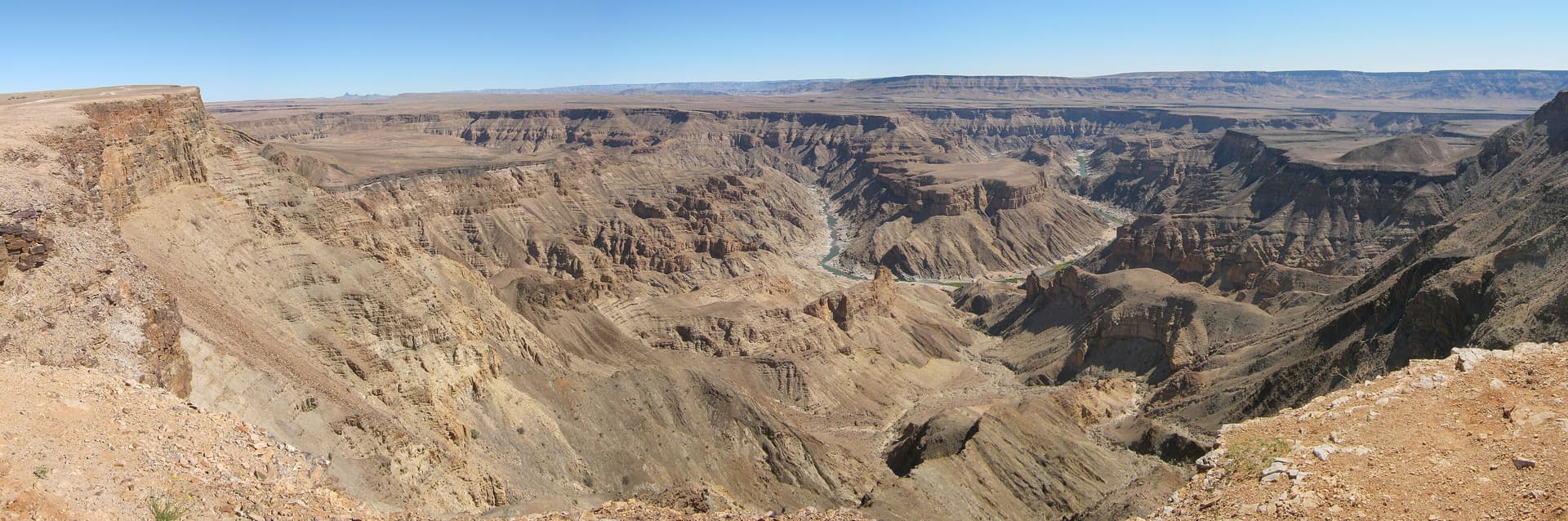
Fish River Canyon stands as Africa's largest canyon, a colossal rift that dwarfs even the Grand Canyon in scale. Its sheer walls plunge 549 metres deep, carving through ancient rock formations that tell stories of continental shifts and relentless erosion. Unlike Namibia's coastal dunes or Etosha's wildlife spectacles, this canyon offers raw geological drama, where you hike through a labyrinth of boulders and riverbeds under a vast African sky. It attracts adventurers seeking solitude and challenge, with the famous 90-kilometre hiking trail drawing trekkers from around the world. As a UNESCO-recognised site, it holds global significance, yet remains refreshingly uncommercialised, preserving its wild, untamed essence.
Top Attractions & Experiences
The Main Viewpoint at Hobas
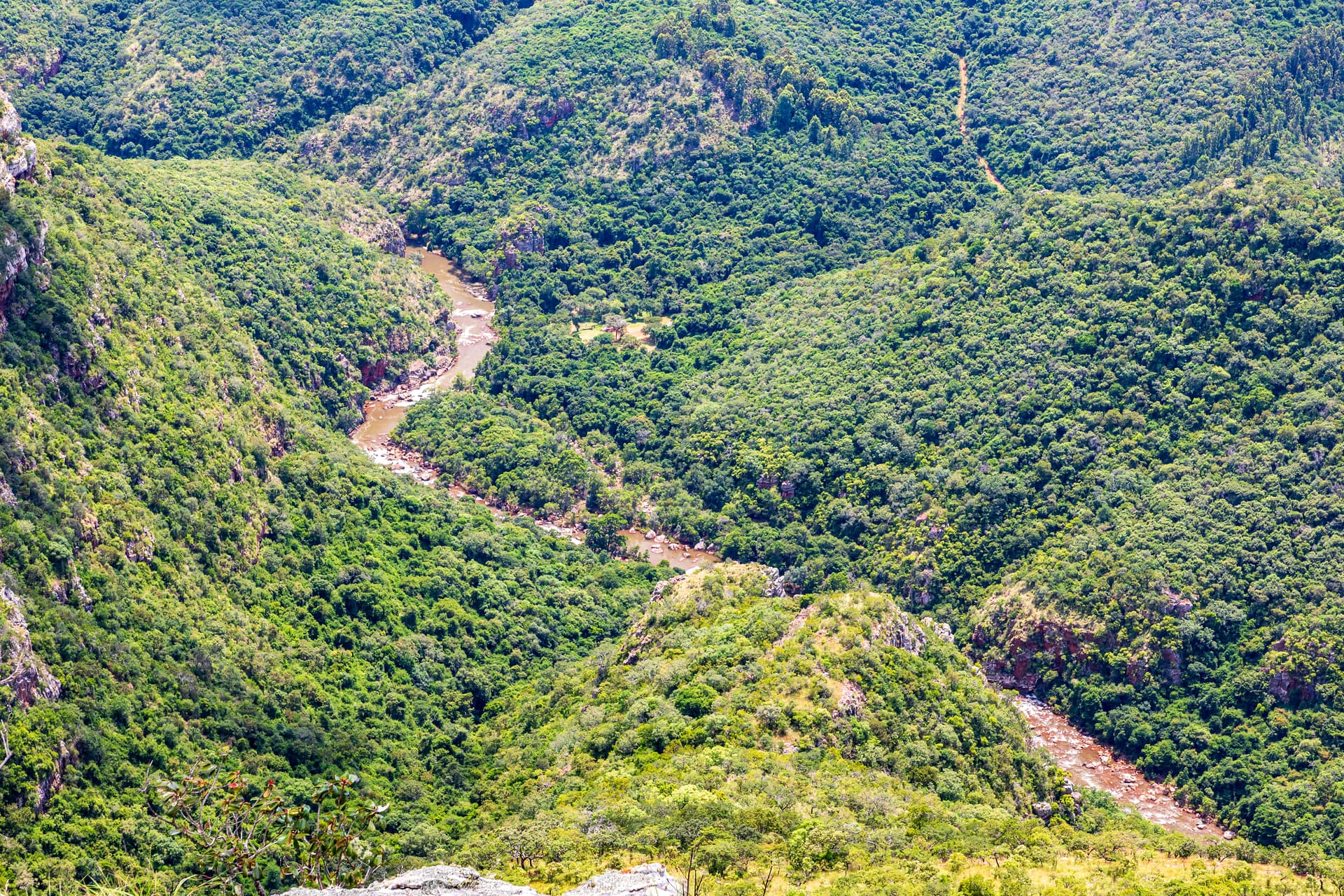
You approach the canyon's edge at Hobas, where a sudden drop reveals the immense scale of the Fish River Canyon. The viewpoint overlooks the upper canyon, its reddish-brown cliffs stretching for kilometres, dotted with hardy shrubs clinging to the rock. Here, you feel the canyon's vastness, with the Fish River snaking far below like a silver thread. Entry costs around $5 per person, and the site includes basic facilities like toilets and a small shop. This spot provides the iconic photo opportunity, but linger to watch the light change as the sun dips, casting long shadows across the abyss.
The Fish River Canyon Hiking Trail
The crown jewel of experiences here is the 90-kilometre hiking trail, one of Southern Africa's premier treks. You descend steeply from Hobas, chains aiding the initial 100-metre drop into a world of boulders and deep sand. The path follows the intermittent Fish River, with over 20 crossings that can turn treacherous during floods. Temperatures soar to 48°C in summer, so permits run from 1 May to 15 September, costing about $50 per person for groups of 3–30. You carry all supplies, camping under the stars, with no amenities along the way. Wildlife includes baboons and snakes, adding an edge of adventure. The trail ends at ǀAi-ǀAis, a hot springs resort, after 4–5 days of hiking.
Sulphur Springs and Palm Springs
Halfway through the hike, Sulphur Springs (also called Palm Springs) marks a narrow section of the canyon, where towering walls close in and the path becomes a boulder-strewn challenge. You wade through the river here, the water cool and clear, surrounded by palm trees that seem out of place in this arid landscape. This area feels primordial, with the canyon's geology laid bare in layered rocks. It's a highlight for photographers, capturing the contrast of green palms against red stone. No entry fees apply beyond the hiking permit, but you must be fit, as the terrain demands scrambling over rocks and navigating deep sand.
Three Sisters Rock Formation
Further along, the canyon widens at Three Sisters, three prominent rock pillars that rise like sentinels from the riverbed. You hike past them, the path now on firmer ground with frequent river stones. This section allows faster progress, with views opening up to show the canyon's meandering twists. The formation symbolises the canyon's sculpting power, eroded over millions of years. It's a restful spot for campers, with space to pitch tents and reflect on the journey. Wildlife sightings of klipspringers or eagles add to the magic, making it a favourite among trekkers.
ǀAi-ǀAis Hot Springs
The trail culminates at ǀAi-ǀAis, where natural hot springs bubble at the canyon's base. You soak in thermal pools at 60°C, the water rich in minerals, surrounded by lush vegetation fed by the springs. The resort offers chalets and camping, with entry around $10 for non-hikers. It's a rejuvenating end to the hike, contrasting the canyon's harshness with soothing warmth. Nearby, you explore the lower canyon's wider expanses, accessible by 4x4. The site includes a restaurant and shop, making it a comfortable base for further exploration.
Scenic Flights and Aerial Views
For those preferring not to hike, book a scenic flight from Keetmanshoop airport, about 100 km away. Small planes soar over the canyon, revealing its full 160-kilometre length and 27-kilometre width from above. You see the upper and lower canyons, the river's path, and surrounding desert plains. Flights cost $100–$200 per person and last 30–45 minutes. This experience suits all fitness levels, providing breathtaking vistas of the canyon's depth and the stark beauty of Namibia's southern landscape.
Best Time to Visit
Namibia's seasons dictate the Fish River Canyon's appeal, with the dry winter months offering the best conditions for exploration.
Best overall: May to September
Wildlife peak: June to August (milder temperatures aid hiking)
Budget travel: April to October (lower crowds and costs)
Avoid: November to March (extreme heat up to 48°C and potential flooding)
In winter (May–September), temperatures range from 5°C at night to 30°C during the day, ideal for the hiking trail when permits are issued. The river flows intermittently, forming pools in summer but drying up by September. Crowds peak during school holidays, so book permits early. Compared to Etosha's year-round wildlife viewing, the canyon's seasonal access adds exclusivity, drawing serious adventurers.
Getting There
Fish River Canyon lies in southern Namibia, accessible via Keetmanshoop, the nearest town with an airport. Domestic flights from Windhoek take 1–1.5 hours, operated by Air Namibia or FlyNamibia, costing $100–$150 one-way. International visitors often fly into Windhoek's Hosea Kutako International Airport, then connect domestically.
From Europe, Emirates or Qatar Airways serve Windhoek via Dubai or Doha, with flights lasting 12–14 hours. Johannesburg serves as a regional hub, with South African Airways offering connections. Keetmanshoop airport handles small planes for scenic flights over the canyon.
Drive from Windhoek takes 8–10 hours along the B1 highway, passing through desert landscapes. The canyon's main access points are Hobas (for hiking) and ǀAi-ǀAis (for the hot springs), both on the C12 road.
Visa & Entry Requirements
Namibia offers visa-free entry for many nationalities, including UK, US, EU, and Canadian citizens, for stays up to 90 days. No visa needed if your passport remains valid for six months beyond travel dates.
For other nationalities, apply for an e-visa online via the Namibian High Commission website, costing $80 and processed in 2–4 weeks. On arrival visas are available at Windhoek airport for $50, but e-visa is recommended to avoid queues.
Yellow Fever vaccination is required if travelling from endemic areas. No other mandatory vaccinations, but malaria prophylaxis is advised in northern Namibia, though the south is low-risk. Check the official Namibian Directorate of Immigration and Citizenship website for updates.
Getting Around
Within the canyon area, self-drive is feasible but challenging due to gravel roads. Rent a 4x4 in Keetmanshoop or Windhoek from companies like Avis or local operators, costing $50–$80 per day. Roads to Hobas and ǀAi-ǀAis are passable, but a guide enhances safety.
Guided tours, often in safari vehicles, are preferable for first-timers, transferring you from Keetmanshoop to the viewpoints or trailheads. Shuttles run between Hobas and ǀAi-ǀAis every few hours, bookable via Namibia Wildlife Resorts.
For the hiking trail, no transport is needed beyond the start and end points. Scenic flights provide aerial access, but ground exploration dominates. Public transport is limited; most visitors use tour operators for seamless logistics.
Accommodation Guide
Accommodation clusters around Hobas and ǀAi-ǀAis, ranging from basic camping to luxury lodges.
Budget: Under $80 per night — Camp at Hobas under camelthorn trees, with ablution blocks, or at ǀAi-ǀAis resort camping sites. Basic but clean, ideal for hikers.
Mid-range: $80–$250 per night — Stay in chalets or guesthouses at ǀAi-ǀAis, with en-suite bathrooms and simple meals. The resort offers hotel rooms with canyon views.
Luxury: $250–$1,000+ per night — Opt for exclusive lodges like Canyon Roadhouse near Hobas, with private villas and gourmet dining. These cater to safari-goers, blending comfort with wilderness.
Prices reflect the remote location; book via Namibia Wildlife Resorts. Self-catering options exist, but guided stays include transfers.
Food & Culture
Namibian cuisine blends German influences with indigenous flavours, and at Fish River Canyon, you savour hearty, simple meals suited to the outdoors.
Try kapana (grilled meat) or bobotie (spiced mince casserole), reflecting the country's colonial heritage. At ǀAi-ǀAis, enjoy fresh salads from the resort's garden and local wines.
Culturally, respect the Nama people's traditions; the canyon lies in their ancestral lands. Greet with "Mâre" and observe quiet reverence for the natural surroundings. Festivals like the Nama Cultural Festival highlight storytelling and crafts. This area fosters a deep connection to Namibia's resilient spirit, where survival in the desert shapes communal values.
Budget & Cost Guide
Travelling to Fish River Canyon suits mid-range budgets, with hiking and nature dominating expenses.
Budget traveller: ~$50–$100 per day — Camp cheaply, eat basic meals, use public shuttles. Hiking permit $50, food $20/day.
Mid-range traveller: ~$100–$200 per day — Stay in mid-range accommodation, guided tours $150–$200, meals $30–$50.
Luxury traveller: $200+ per day — Private lodges, scenic flights $150, fine dining.
The Namibian Dollar (NAD) is pegged to the South African Rand; USD is widely accepted. Safari costs are the main expense, with activities like hiking or flights adding up. Factor in fuel for self-drive.
Travel Tips & Safety
Prepare for Namibia's arid climate with layers for temperature swings. Pack sturdy hiking boots, a wide-brimmed hat, and sun protection, as UV is intense.
Malaria risk is low here, but take prophylaxis if visiting northern areas. Travel insurance is essential for adventure activities like hiking.
Stay on marked trails to avoid snakes and scorpions. Carry plenty of water (4 litres/day minimum) and a satellite phone for emergencies, as mobile reception is absent.
Respect wildlife; baboons can be aggressive near camps. Drive cautiously on gravel roads. For health, consult a doctor for a fitness certificate if hiking.