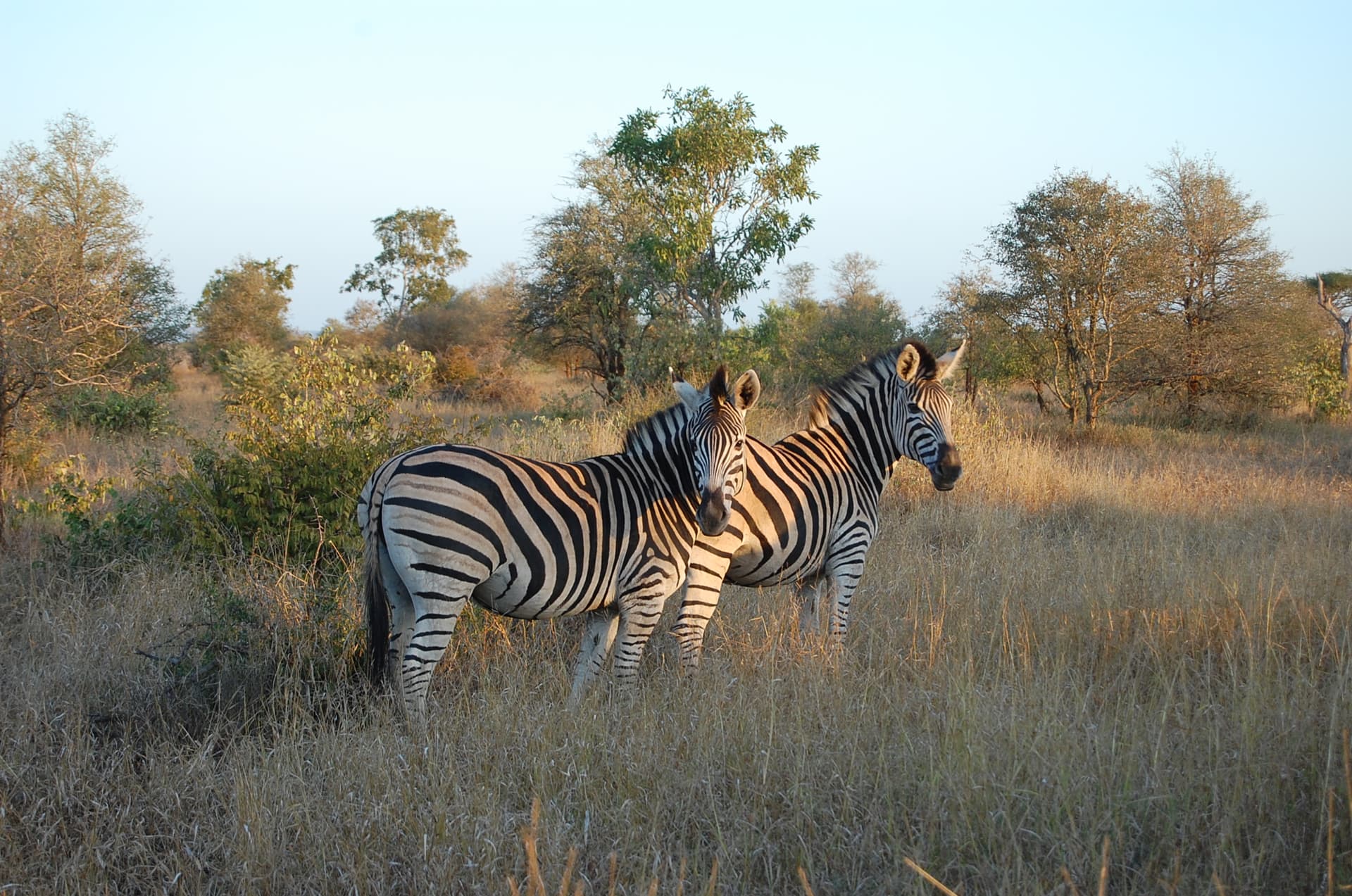
Kruger National Park (South Africa)
Africa Travel Bookings
· 5 min read
The air thickens with the scent of wild sage as dawn breaks over Kruger National Park. A herd of elephants ambles along the Sabie River, their massive forms silhouetted against the rising sun, while a lioness watches from the shadows of an acacia grove. This is Kruger at its essence — Africa's most accessible safari wilderness, where you can witness the continent's greatest wildlife spectacle without venturing far from civilisation. With recent expansions and conservation efforts yielding record sightings of endangered species, now is the perfect time to experience this iconic reserve. This comprehensive travel guide covers everything you need to plan your Kruger safari, from spotting the Big Five to choosing the ideal accommodation for your adventure.
Why Visit Kruger National Park
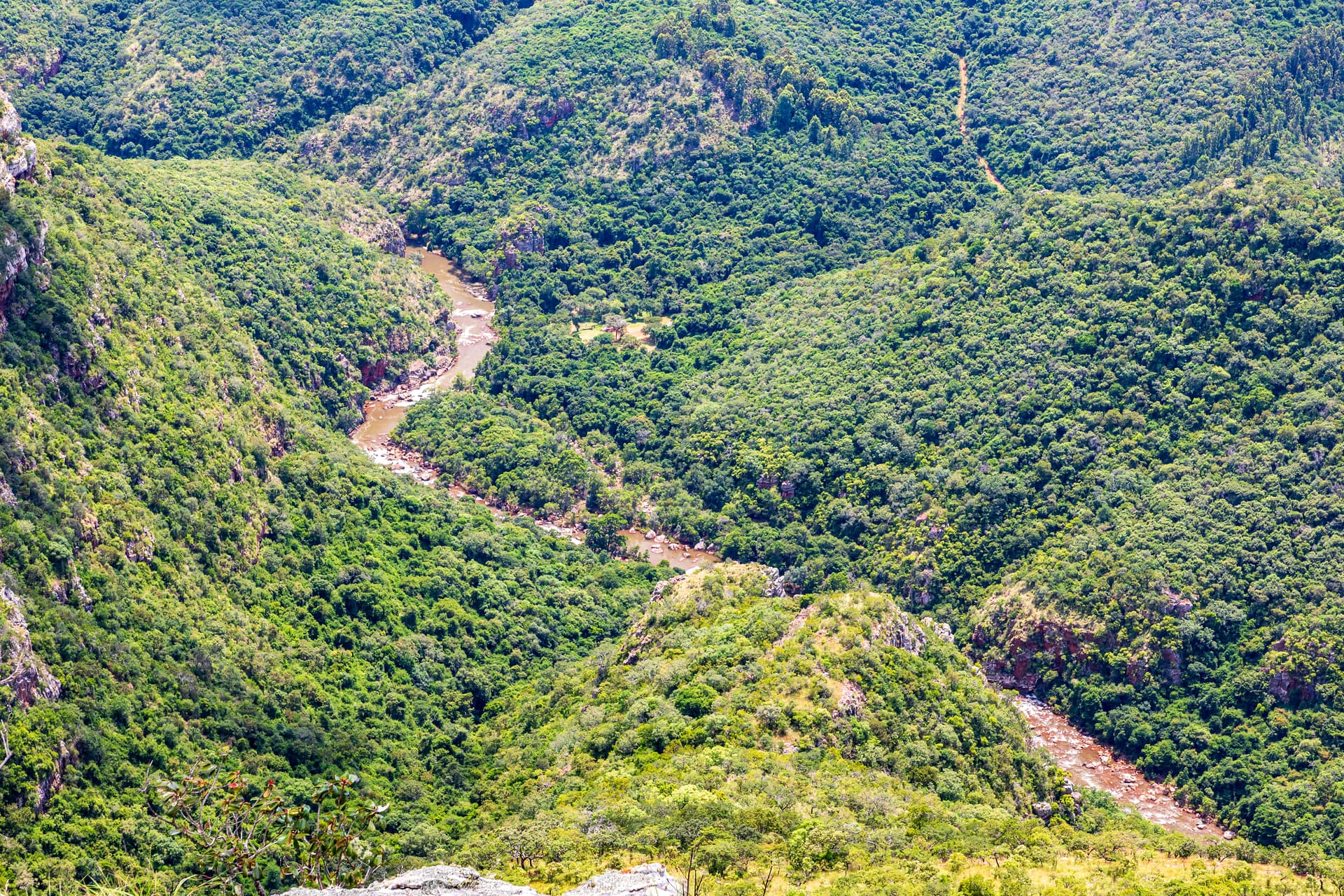
Kruger National Park stands as South Africa's crown jewel of wildlife conservation, offering unparalleled opportunities to witness Africa's Big Five in their natural habitat. Unlike more remote reserves, Kruger's vast 20,000 square kilometres provide a complete ecosystem where you can track lions, elephants, buffalos, leopards, and rhinos across diverse landscapes from open savannas to dense woodlands. The park's strategic location makes it a gateway to South Africa's cultural heartland, allowing you to combine world-class safari experiences with visits to nearby attractions like the Panorama Route's dramatic waterfalls. As one of the oldest and most successful conservation areas on the continent, Kruger boasts higher wildlife densities than many private reserves, ensuring memorable encounters with over 500 bird species and 147 mammal species. Its accessibility by road from major cities like Johannesburg and Cape Town sets it apart as the ultimate safari destination for both first-time visitors and seasoned wildlife enthusiasts.
Top Attractions & Experiences
The Big Five Safari Experience
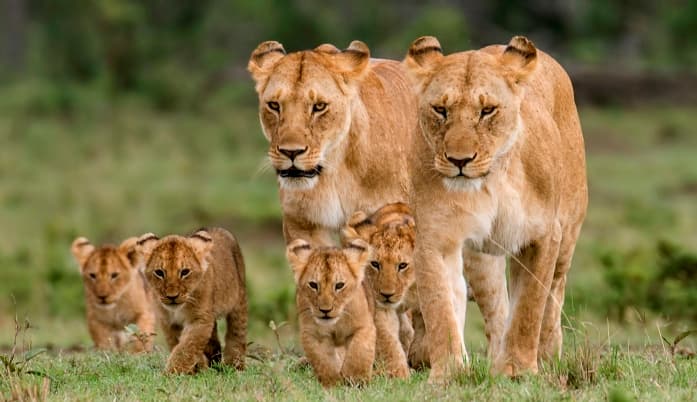
You feel the raw power of Africa as you track a lion pride through the golden grasslands of Kruger's central plains. Game drives reveal these apex predators in their element, from lazy afternoon rests under shade trees to dramatic hunts at dusk. Kruger offers some of the best lion viewing opportunities in Africa, with resident prides that have become accustomed to vehicles, allowing close encounters that feel both thrilling and safe. The park's vast size means you can spend days following different prides, learning their individual behaviours and social dynamics.
Elephant Encounters at the Rivers
Along the Sabie and Olifants Rivers, you witness one of nature's most majestic spectacles as elephant herds gather to drink and bathe. These intelligent giants form tight family bonds, with matriarchs leading their offspring through the water, trunks spraying cooling mist into the air. Kruger's elephant population, numbering over 16,000, provides intimate viewing opportunities where you can observe their complex social structures and hear their deep rumbles echoing across the landscape. Early morning drives often reveal calves playing in shallow pools while adults stand guard.
Rhino Conservation and Viewing
Kruger serves as a frontline in the battle against rhino poaching, with dedicated anti-poaching units protecting both white and black rhino populations. You approach these prehistoric-looking creatures cautiously, their massive horns and armoured hides making them seem like living fossils. The park's successful breeding programmes have stabilised populations, and you can spot rhinos in the southern regions, particularly around Pretoriuskop and Lower Sabie. Conservation talks at rest camps provide deeper insight into the challenges these magnificent animals face.
Birdwatching Paradise
Over 500 bird species make Kruger a birdwatcher's dream, from the majestic fish eagle soaring above the rivers to the tiny paradise flycatcher flitting through the trees. You spend peaceful mornings at waterholes, binoculars in hand, identifying species like the lilac-breasted roller and the African fish eagle. The park's diverse habitats support both resident and migratory birds, with the dry winter months bringing spectacular concentrations of waterbirds to the remaining pans. Guided birding walks at certain camps offer expert knowledge and the chance to spot rare species.
Night Drives and Nocturnal Wildlife
As darkness falls, you embark on a thrilling night drive, spotlights piercing the darkness to reveal a hidden world of nocturnal activity. Genets and civets emerge from their daytime hiding spots, while owls and nightjars hunt silently overhead. These drives, conducted by experienced rangers, often uncover leopard sightings that daytime drives miss, and you learn about the park's after-dark ecosystem. The experience culminates with stargazing under Africa's vast night sky, far from light pollution.
Cultural Heritage Sites
Kruger preserves ancient human history alongside its wildlife, with rock art sites dating back thousands of years. You visit the Masorini Cultural Village to learn about the San people's traditional way of life, their hunting techniques, and spiritual connection to the land. Guided tours explain how indigenous communities lived in harmony with wildlife long before modern conservation efforts. These cultural experiences add depth to your safari, reminding you that human history in this landscape stretches back millennia.
Best Time to Visit
Kruger National Park transforms dramatically with the seasons, each offering unique wildlife viewing opportunities and atmospheric conditions. The dry winter months from May to September bring cooler temperatures and concentrated wildlife around water sources, making game viewing exceptionally rewarding. Summer rains from October to March create lush landscapes and trigger breeding seasons, though heavy downpours can make roads challenging.
Best overall: May to September
Wildlife peak: June to August
Budget travel: April to May and September to October
Avoid: January to February — heavy rains and high temperatures
During the dry season, you enjoy crisp mornings perfect for early game drives, with temperatures ranging from 15°C to 25°C. Wildlife concentrates around perennial rivers and artificial waterholes, increasing your chances of spotting predators and large herds. The vegetation thins, providing better visibility for photography and observation.
The wet season brings warmer weather, with daytime temperatures reaching 30°C and occasional thunderstorms. While roads can become muddy and some areas inaccessible, this period offers spectacular birdwatching as migratory species arrive. The landscape bursts into colour with wildflowers, and you witness the circle of life as animals give birth to their young.
Shoulder seasons in April and October provide good value, with fewer crowds and still excellent game viewing. Temperatures remain comfortable, and you avoid both the winter chill and summer humidity.
Getting There
You reach Kruger National Park primarily through South Africa's major international gateways. OR Tambo International Airport in Johannesburg serves as the main entry point, with direct flights from across Europe, North America, and the Middle East. Flight durations from London typically range from 11 to 12 hours, while Dubai connections take about 9 hours.
Key airlines operating to Johannesburg include British Airways, Virgin Atlantic, Emirates, Qatar Airways, and South African Airways. From Johannesburg, you connect via domestic flights or drive the 4-5 hour journey to Kruger's main gates. Smaller airports like Lanseria near Johannesburg offer additional options for regional flights.
For international visitors, Johannesburg acts as a major hub, with connections from Addis Ababa, Nairobi, and other African cities. Domestic flights from Cape Town take about 2.5 hours, while Durban connections are around 1.5 hours.
Once in South Africa, you can drive to Kruger's northern gates (like Punda Maria) in about 6 hours from Johannesburg, or reach southern entrances (like Crocodile Bridge) in 4 hours. The park's extensive road network connects all major camps and gates.
Visa & Entry Requirements
South Africa offers visa-free entry for citizens of many countries, including the UK, US, Canada, Australia, and most EU nations for stays up to 90 days. You simply present your passport at immigration, with no visa required in advance.
For visa-required nationalities, South Africa provides straightforward visa on arrival or e-visa options through the Department of Home Affairs website. Processing typically takes 2-4 weeks, with fees ranging from $60 to $100 depending on nationality.
Your passport must remain valid for at least six months beyond your intended departure date. While no vaccinations are mandatory for South Africa, you should ensure routine immunisations are up to date. Yellow fever vaccination is only required if travelling from an endemic area.
Always verify current requirements through the official South African Department of Home Affairs website or your local embassy, as regulations can change. For Kruger specifically, park entry requires a valid South African visa or permit.
Getting Around
Kruger National Park offers flexible transport options depending on your travel style and budget. Self-drive visitors rent vehicles in Johannesburg or nearby towns, following well-maintained tarred roads and gravel tracks throughout the park. A 4x4 vehicle provides better access to remote areas, though standard cars suffice for main routes.
Guided tours typically include transfers from Johannesburg or nearby airports, with professional drivers navigating the park's 2,000km road network. These safari vehicles offer elevated seating for optimal game viewing and experienced guides who know the best wildlife hotspots.
For independent exploration, you can fly into Skukuza Airport within the park, though this requires pre-arranging transport. Internal flights connect major camps, but most visitors prefer road travel to maximise wildlife encounters.
Road conditions vary from smooth highways to corrugated gravel tracks, especially after rains. Fuel stations and rest stops appear regularly, and you must remain in your vehicle except at designated picnic sites. Park gates operate 24/7, but night driving requires caution due to wildlife movement.
Accommodation Guide
Kruger offers accommodation ranging from basic camping to ultra-luxury safari lodges, all designed to complement your wildlife experience. Budget options start at rest camps run by South African National Parks, with self-catering cottages and caravan sites. These facilities provide clean amenities, secure parking, and proximity to game viewing areas, costing $50–$100 per night for a family unit.
Mid-range accommodation includes private lodges and guesthouses outside the park, offering more comfort with swimming pools and restaurants. Prices range from $150–$400 per night, with options like Hilltop Manor near the Paul Kruger Gate providing convenient access to the park.
Luxury safari camps within Kruger deliver exceptional experiences, with private villas, gourmet dining, and guided activities. The park's premium rest camps like Singita Lebombo Lodge offer $800–$1,500 per person per night, including all meals and game drives. These properties focus on exclusivity, with limited guests ensuring personalised service.
Ultra-luxury options like Londolozi Private Game Reserve border Kruger, providing helicopter transfers and bespoke experiences for $2,000+ per person per night. All accommodation emphasises environmental responsibility, with many properties involved in conservation programmes.
Food & Culture
South African cuisine reflects the country's diverse cultural heritage, with influences from Dutch, Malay, and indigenous traditions. You savour boerewors, a spiced sausage grilled over open fires, often enjoyed during braais (barbecues) at rest camps. Traditional dishes like bobotie, a spiced mince casserole topped with egg custard, showcase Cape Malay influences that arrived with Indonesian slaves.
Kruger's rest camps offer hearty meals featuring local ingredients, from fresh game meats to seasonal vegetables. You try mieliepap, a maize porridge served with tomato relish, or samp and beans, staple foods of indigenous communities. Seafood lovers enjoy kingklip and kabeljou, fresh from South Africa's coastal waters.
Culturally, you respect the San people's deep connection to the land, learning about their ancient rock art and hunting traditions. Greeting elders with both hands demonstrates respect, while removing shoes before entering traditional homes shows cultural sensitivity. The park hosts cultural performances at some camps, where you witness traditional dancing and storytelling around campfires.
Budget & Cost Guide
Planning a Kruger safari requires careful budgeting, with costs varying significantly based on your accommodation and activity choices. Daily expenses range from modest backpacker budgets to extravagant luxury experiences.
Budget traveller: ~$100–$150 per day
Mid-range traveller: ~$200–$400 per day
Luxury traveller: $500+ per day
For budget travel, you stay in SANParks rest camps ($50–$80 per night), prepare meals from local supermarkets, and use public transport or shared shuttles. Entry fees cost $40 per adult per day, and you focus on self-guided game drives in a rental car ($30–$50 per day).
Mid-range budgets include private lodges ($150–$300 per night) with meals, guided game drives ($100–$200 per day), and optional activities like night drives. You enjoy more comfort and expert guiding, with costs remaining manageable for couples or small groups.
Luxury travel encompasses high-end safari camps ($800–$2,000+ per person per night all-inclusive), private vehicles, and bespoke experiences. These packages include gourmet dining, laundry service, and premium guiding, making them ideal for special occasions or those seeking ultimate comfort.
The South African rand (ZAR) is the local currency, though USD and major credit cards are widely accepted. Factor in international flights ($800–$1,500 return from Europe) and internal transfers when calculating total trip costs.
Travel Tips & Safety
You prepare for Kruger by ensuring comprehensive travel insurance covering safari activities, medical evacuation, and trip cancellations. Malaria prophylaxis is recommended year-round, with options like doxycycline or mefloquine available from travel clinics. Consult a doctor 4-6 weeks before travel for personalised advice.
Pack lightweight, neutral-coloured clothing that blends with the bushveld environment, along with sturdy walking shoes and a wide-brimmed hat for sun protection. Binoculars and a telephoto lens enhance wildlife viewing, while insect repellent and sunscreen are essential.
Safety in Kruger focuses on wildlife awareness rather than human threats. You stay in vehicles during game drives, maintain safe distances from animals, and never feed wildlife. Store food securely to avoid attracting dangerous species like honey badgers or baboons.
Be cautious around water sources where large animals congregate, and respect park speed limits to prevent accidents. Emergency numbers are posted at all camps, and rangers provide safety briefings. For health concerns, major rest camps have basic medical facilities, with helicopter evacuation available for serious cases.