Lake Nakuru (Kenya) Travel Guide
Africa Travel Bookings
· 5 min read
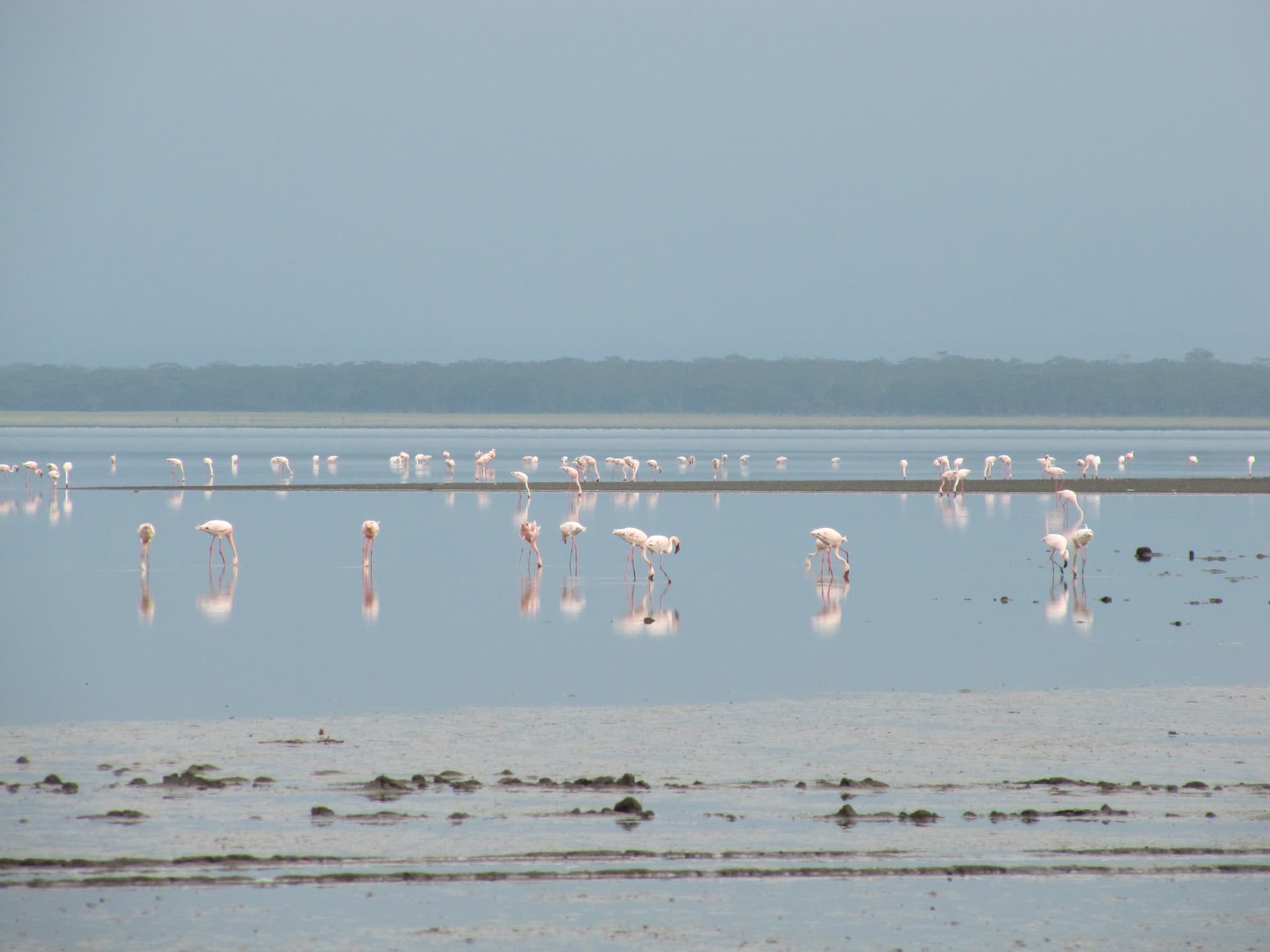
The pink waters of Lake Nakuru stretch out like a living canvas, where millions of lesser flamingos gather in a spectacle that defies imagination. You stand on the shore of Lake Nakuru National Park, the air filled with the soft rustle of wings and the distant calls of baboons, as the sun paints the Rift Valley in hues of gold and crimson. This Kenyan gem, home to the world's largest population of these elegant birds, offers a safari experience unlike any other, where wildlife thrives in a landscape shaped by volcanic forces. Now is the perfect time to visit, as conservation efforts have boosted rhino numbers and flamingo colonies flourish year-round. This comprehensive travel guide covers everything you need to know about planning your Lake Nakuru adventure, from the best wildlife viewing spots to practical travel logistics.
Why Visit Lake Nakuru
Lake Nakuru captivates visitors with its unparalleled flamingo displays, where over two million birds transform the lake into a pink wonderland during peak seasons. As one of Kenya's most accessible safari destinations, it provides an intimate wildlife encounter just hours from Nairobi, making it ideal for short trips or as part of a broader Kenyan itinerary. The park's black and white rhino sanctuary stands out globally, offering rare sightings of these endangered giants in a protected environment. Unlike the vast plains of the Maasai Mara, Lake Nakuru's compact size allows for focused, high-quality game drives, while its alkaline waters support a unique ecosystem that attracts diverse bird species. Recognised as a UNESCO Biosphere Reserve, it combines natural beauty with conservation success stories that inspire eco-tourists worldwide.
Top Attractions & Experiences
Lake Nakuru National Park
You enter the park through the main gate, where acacia trees frame the road leading to the lake's edge. Lake Nakuru National Park spans 188 square kilometres of diverse terrain, from the soda lake itself to surrounding woodlands and grasslands. Here, you witness the flamingos in their full glory, wading knee-deep in the shallows, their pink plumage reflecting the sunlight. The park opens at 6am and closes at 7pm, with entry fees around $60 per person for non-residents. Expect to spend hours on game drives, spotting over 400 bird species, including pelicans and eagles soaring overhead.
Flamingo Viewing
The highlight of any visit, the flamingo colonies gather in dense flocks along the lake's shores, their synchronized movements creating waves of colour. You approach quietly in your vehicle, the birds seemingly indifferent to human presence, pecking at the algae-rich waters. Best viewed from the shoreline viewpoints or during boat safaris when permitted, this experience peaks between September and March, when numbers can exceed three million. The sight of thousands taking flight at dusk, their wings beating in unison, remains etched in your memory long after you leave.
Rhino Sanctuary
Dedicated to the conservation of black and white rhinos, this sanctuary within the park offers close encounters with these majestic creatures. You spot them grazing peacefully, their horns curving prominently, a testament to successful anti-poaching efforts. The sanctuary covers 50 hectares, providing a safe haven where rhinos roam freely. Guided walks or vehicle safaris allow you to observe their behaviours up close, learning about the park's breeding programmes that have increased populations significantly.
Baboon Cliffs
Perched on rocky outcrops, baboon troops entertain with their playful antics and social hierarchies. You watch as they groom each other, forage for food, and protect their young, their human-like expressions captivating. The cliffs offer panoramic views of the lake below, making it a perfect spot for photography. These intelligent primates, numbering in the hundreds, add a dynamic element to your safari, often approaching vehicles curiously.
Bird Watching Trails
Beyond the flamingos, the park boasts extensive trails for avid birdwatchers, where you discover species like the African fish eagle and the malachite kingfisher. You walk along marked paths, binoculars in hand, identifying birds by their calls and plumage. The diverse habitats support both resident and migratory species, providing year-round opportunities. Guided birding tours enhance the experience, with knowledgeable rangers pointing out rare sightings.
Lion and Leopard Sightings
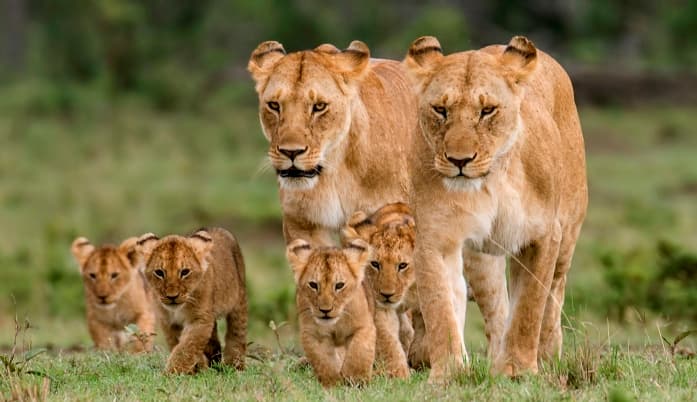
While not as abundant as in other Kenyan parks, lions and leopards occasionally grace the woodlands. You might spot a lioness resting in the shade or a leopard stealthily moving through the trees. These sightings, though less frequent, add excitement to your visit, reminding you of the park's role in the greater ecosystem. Early morning or late afternoon drives increase your chances of encountering these apex predators.
Best Time to Visit
Lake Nakuru's seasons dramatically influence wildlife viewing and visitor experience, with the dry and wet periods creating distinct atmospheres. The absolute best time to visit spans June to September, when the dry season concentrates animals around the shrinking lake, offering exceptional flamingo displays and clearer skies for photography. Wildlife peaks during this period, as herbivores gather at water sources, attracting predators and making game drives more productive.
The wet season, from March to May, brings lush greenery and fewer crowds, though muddy roads can complicate access. October to February falls into a shoulder season, with moderate weather and good bird numbers, but occasional showers. Avoid visiting during the long rains of April and May if you prioritise dry conditions for driving.
For budget-conscious travellers, the low season from November to February offers discounted accommodation rates. Crowds peak during European summer holidays, pushing prices up and requiring advance bookings.
Best overall: June to September
Wildlife peak: July to October
Budget travel: November to February
Avoid: April to May — heavy rains make roads impassable
Getting There
Lake Nakuru lies just 160 kilometres northwest of Nairobi, making it one of Kenya's most accessible safari destinations. You fly into Jomo Kenyatta International Airport (NBO) in Nairobi, served by major airlines including Kenya Airways, British Airways, Emirates, and Ethiopian Airlines. Flight durations from London average 8-9 hours, with Dubai as a common transit hub at around 4-5 hours.
From Nairobi, you transfer to the park via road, a 2-3 hour drive depending on traffic. Domestic flights to Nakuru Airport (NUU) operate from Nairobi, taking about 45 minutes with airlines like Air Kenya or Fly540. This option suits those preferring to avoid road travel, though most visitors opt for the scenic drive, often combined with stops at viewpoints.
Key transit hubs include Nairobi for East African connections and Addis Ababa for broader African routes. No international flights land directly at Nakuru, so Nairobi remains the primary gateway.
Visa & Entry Requirements
Kenya offers visa on arrival for most international travellers, including citizens of the UK, US, Canada, Australia, and many European countries. You obtain your visa at Jomo Kenyatta International Airport upon arrival, with processing taking 30-60 minutes. The cost stands at $80 for a single-entry visa, valid for 90 days.
Passport holders from certain nations, such as those in the East African Community, enter visa-free. Your passport must remain valid for at least six months beyond your intended departure date. No vaccinations are mandatory for entry, though yellow fever certificates are recommended if travelling from endemic areas.
For the latest requirements, consult the Kenyan Department of Immigration and Citizen Services website or your local embassy. Note that visa policies can change, so verify details before travel.
Getting Around
Within Kenya, you navigate primarily by road, with Lake Nakuru accessible via well-maintained highways from Nairobi. Guided safari tours include transfers in comfortable 4x4 vehicles, ideal for independent travellers preferring organised logistics. Self-drive options exist, but a local driver or guide is recommended due to wildlife crossing roads and unfamiliar terrain.
Inside Lake Nakuru National Park, you explore via game drive vehicles provided by lodges or tour operators. These open-sided trucks allow close wildlife encounters while ensuring safety. Walking trails are available in designated areas, accompanied by armed rangers for security.
For multi-day trips combining Nakuru with other destinations, domestic flights connect to nearby airports. Road conditions are generally good, though wet season rains can create muddy patches. Most visitors rely on their accommodation or tour operator for transport arrangements.
Accommodation Guide
Lake Nakuru offers accommodation ranging from budget options to ultra-luxury safari camps, concentrated around the park's perimeter for easy access. Budget travellers find basic lodges and guesthouses starting at $50 per night, featuring shared facilities and simple meals. Mid-range hotels, priced between $80 and $250, provide private rooms, swimming pools, and on-site restaurants, often with lake views.
Luxury lodges dominate the scene, with tented camps and boutique hotels offering immersive experiences from $250 upwards. These include private balconies overlooking the flamingos, gourmet dining, and guided activities. Ultra-luxury options, exceeding $500 per person per night, feature exclusive villas, personal butlers, and helicopter transfers.
Popular areas include the eastern shore for direct lake access and the southern entrance for proximity to Nairobi. Book in advance during peak season, as options fill quickly. Many properties incorporate eco-friendly practices, aligning with the park's conservation ethos.
Food & Culture
Kenyan cuisine at Lake Nakuru blends coastal influences with inland staples, where you savour ugali, a maize-based staple, paired with sukuma wiki (kale) and grilled meats. Nyama choma, slow-roasted goat or beef, represents a signature dish, often enjoyed at lodges with views of the lake. Fresh tilapia from the lake's waters features prominently, grilled or fried with local spices.
Culturally, the Maasai people, who inhabit nearby areas, share traditions of communal living and cattle herding. You learn about their warrior culture through guided visits, respecting customs like removing shoes before entering homes. Festivals such as the Maasai Olympics highlight jumping competitions and dances, offering insights into their vibrant heritage.
Hospitality remains paramount, with locals greeting visitors warmly. Understanding simple phrases in Swahili, like "jambo" for hello, enhances interactions. This cultural immersion adds depth to your safari, fostering connections beyond wildlife viewing.
Budget & Cost Guide
Travelling to Lake Nakuru suits various budgets, with safari costs forming the largest expense. Budget travellers manage on $100-150 per day, covering basic accommodation, shared meals, and park entry. Mid-range visitors spend $150-300 daily, opting for private rooms and guided tours. Luxury travellers exceed $300 per day, indulging in high-end lodges and private vehicles.
Breakdown includes accommodation at $50-200 per night, food at $20-50 daily, transport via transfers at $50-100 round-trip from Nairobi, and activities like game drives at $100-200 per person. The Kenyan shilling serves as currency, though USD is widely accepted in tourist areas.
Prices fluctuate with season, lower in the wet months. Factor in additional costs for visas, travel insurance, and souvenirs. Overall, Lake Nakuru offers good value compared to more remote Kenyan destinations.
Budget traveller: ~$100–$150 per day
Mid-range traveller: ~$150–$300 per day
Luxury traveller: $300+ per day
Travel Tips & Safety
Prioritise health by taking malaria prophylaxis, as the area falls within endemic zones. Consult a travel clinic for vaccinations, including routine boosters and hepatitis A. Pack insect repellent, long-sleeved clothing, and a hat for sun protection during game drives.
Travel insurance is essential, covering medical emergencies and trip cancellations, especially for safari activities. Stay hydrated and use sunscreen, as the equatorial sun can be intense.
For safety, remain in vehicles during drives and follow ranger instructions. Avoid walking alone at night, and secure valuables in lodge safes. Respect wildlife by maintaining distance and not feeding animals.
Pack layers for variable weather, sturdy shoes for trails, and binoculars for birdwatching. These preparations ensure a smooth, enjoyable visit.