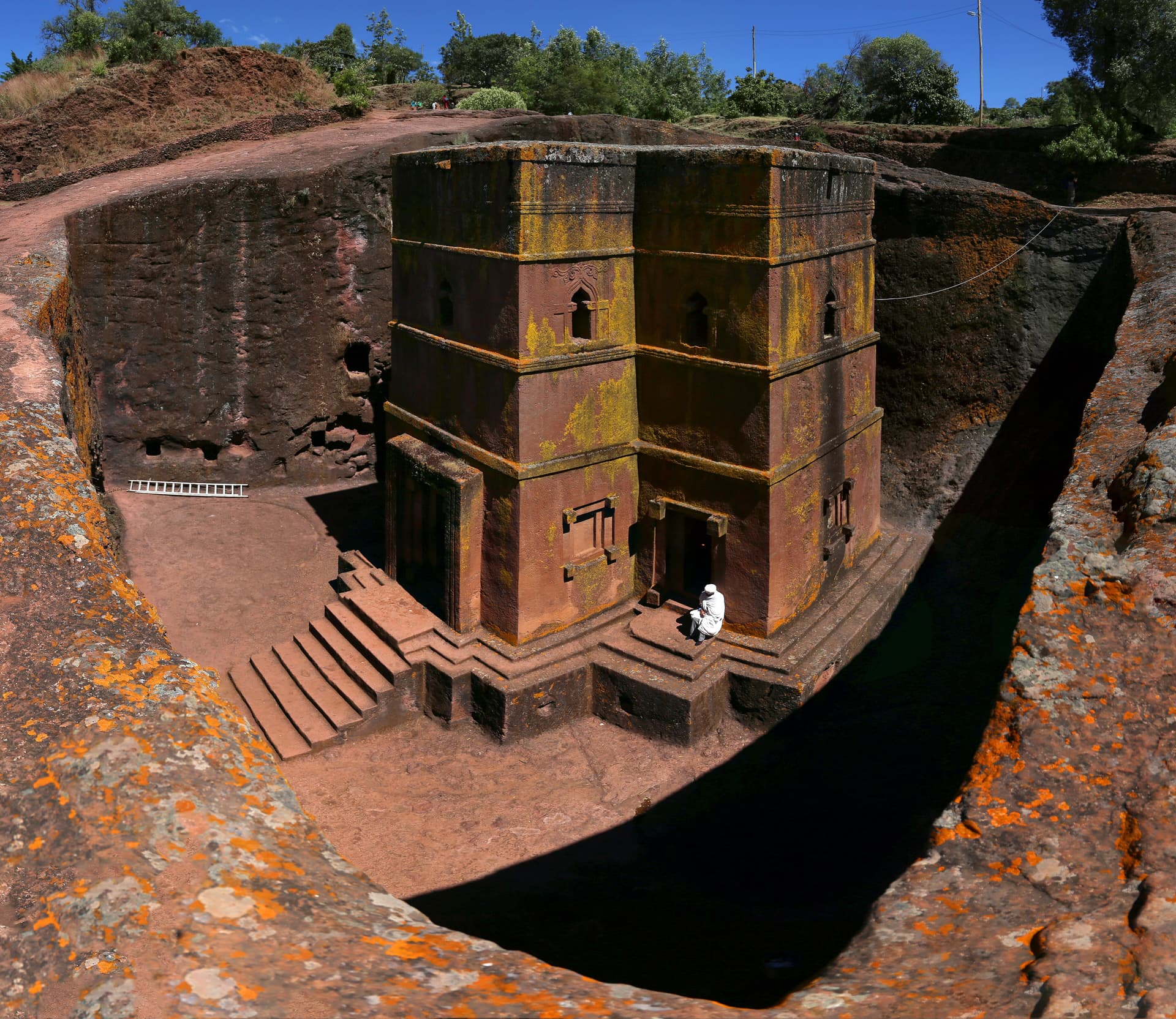
Lalibela (Ethiopia)
Africa Travel Bookings
· 5 min read
You stand at the edge of a vast plateau in northern Ethiopia, where the morning light catches the intricate carvings of churches carved directly from the living rock. Lalibela, a UNESCO World Heritage site, reveals its ancient wonders as pilgrims chant hymns and the scent of incense fills the air. This is no ordinary city; it is a testament to medieval Ethiopian ingenuity, where 11 monolithic churches were hewn from volcanic tuff stone over 800 years ago. Now, with improved infrastructure and growing global interest, Lalibela offers a profound spiritual journey that connects you to Africa's rich Orthodox Christian heritage. This Lalibela travel guide covers everything from exploring the rock-hewn churches to navigating the surrounding highlands, ensuring you experience this sacred destination authentically.
Why Visit Lalibela
Lalibela captivates visitors with its unparalleled rock-hewn churches, a feat of engineering that rivals the pyramids of Egypt. As one of Ethiopia's most sacred sites, it draws pilgrims and tourists alike to witness structures carved from solid rock, complete with intricate frescoes and ancient manuscripts. The destination's spiritual atmosphere, combined with its historical significance as a medieval capital, sets it apart from other African cultural sites. Lalibela holds UNESCO recognition for its unique architecture, making it a must-visit for those seeking authentic cultural immersion. Compared to more commercialised destinations like Axum, Lalibela offers a quieter, more contemplative experience that emphasises Ethiopia's deep-rooted Orthodox traditions.
Top Attractions & Experiences
Bet Giyorgis (Church of St. George)
You descend into a deep trench to reach Bet Giyorgis, its cross-shaped design emerging from the red volcanic rock like a living sculpture. This 12th-century church, dedicated to Ethiopia's patron saint, features ornate carvings and a central dome that symbolises the heavens. Visitors walk around the exterior walls, tracing the biblical scenes etched into the stone, while inside, the air is thick with the aroma of myrrh. Entry costs around $10, and you can explore freely during daylight hours, though photography inside is restricted. The experience culminates in a rooftop view, where you gaze across the plateau and feel the church's harmonious blend of art and spirituality.
Bet Medhane Alem (Church of the Saviour of the World)
Bet Medhane Alem stands as the largest rock-hewn church in Lalibela, its massive rectangular form carved from a single block of stone. You enter through a narrow passage into a cavernous interior adorned with pillars and arches that mimic traditional Ethiopian architecture. The church houses ancient manuscripts and relics, and during services, you hear the rhythmic chanting of priests. Open from dawn to dusk, it charges a modest entry fee of $10, and guided tours provide insights into its construction. The sheer scale evokes awe, reminding you of the labour that went into creating this subterranean sanctuary over eight centuries ago.
Bet Mariam (Church of St. Mary)
Nestled in a sunken courtyard, Bet Mariam welcomes you with its elegant facade and intricate door carvings depicting saints and angels. Inside, the walls are covered in faded frescoes that tell stories from the Bible, and the atmosphere is serene, punctuated by the occasional prayer of visiting monks. You can visit during operating hours for $10, and the site includes a small museum with religious artefacts. The experience here is intimate, allowing you to sit and reflect amidst the echoes of centuries-old devotion. Unlike the more exposed churches, Bet Mariam's enclosed setting creates a cocoon of spirituality.
Bet Abba Libanos (Monastery of Abba Libanos)
A short drive from Lalibela's centre brings you to Bet Abba Libanos, a monastery perched on a cliff overlooking the Jemma River Gorge. You hike down steep paths to reach the cave church, where monks live in seclusion, and the air resonates with their hymns. The site, dating back to the 13th century, features natural springs and olive trees, adding to its tranquil beauty. Entry is free, though donations are appreciated, and you can explore the grounds and interact with the resident clergy. This attraction offers a glimpse into monastic life, far removed from the urban bustle, and the gorge views are breathtaking.
Asheton Maryam (Asheton St. Mary)
Asheton Maryam, one of Lalibela's lesser-visited churches, sits atop a hill with panoramic views of the surrounding countryside. You climb stone steps to reach its entrance, where the simple interior contrasts with the elaborate carvings outside. The church, dedicated to the Virgin Mary, contains relics and icons, and local guides share stories of its role in Ethiopian history. Open for visitors with a $5 entry fee, it provides a peaceful retreat away from crowds. The hilltop location allows you to watch the sunset over the highlands, blending natural beauty with religious reverence.
Lalibela Market
You wander through Lalibela's bustling market, where vendors sell spices, textiles, and handcrafted crosses amidst the chatter of locals. The vibrant stalls offer a chance to sample Ethiopian coffee and purchase souvenirs like silver jewellery and woven baskets. The market operates daily, with peak activity in the mornings, and prices are negotiable. This experience immerses you in daily life, where you can observe traditional bartering and perhaps join a conversation with friendly traders. It's a cultural highlight that complements the spiritual sites, showing Lalibela's living heritage.
Best Time to Visit
Lalibela's highland location means its climate varies significantly by season, influencing both comfort and accessibility. The dry season, from October to May, offers the most pleasant weather with clear skies and mild temperatures ranging from 15°C to 25°C. This period is ideal for exploring the churches without rain disrupting your plans, and festivals like Timkat (Ethiopian Epiphany) in January add cultural vibrancy. The wet season, from June to September, brings heavy rains that can make roads muddy and churches slippery, though the lush greenery enhances the landscape's beauty. Crowds peak during December to February, coinciding with Christmas and New Year celebrations, while prices rise accordingly.
For the best overall experience, visit between October and December or March to May, when temperatures are comfortable and rainfall is minimal. Wildlife viewing is limited, but the focus here is on cultural immersion rather than safaris. Avoid June to August if you dislike rain, as flooding can affect travel. Budget travellers favour the shoulder months of September and April, when accommodation costs drop.
Best overall: October–May
Cultural peak: January (Timkat festival)
Budget travel: September–October
Avoid: June–August (heavy rains)
Getting There
Lalibela lies in northern Ethiopia, accessible primarily via Addis Ababa, the country's capital and main international hub. Addis Ababa Bole International Airport (ADD) receives flights from major carriers like Ethiopian Airlines, Emirates, and Turkish Airlines. Direct flights from London take about 8 hours, while connections from Dubai or Istanbul add 2–4 hours. From Addis Ababa, domestic flights to Lalibela Airport (LII) take 45 minutes and cost around $70–$100 one-way. Ethiopian Airlines dominates this route, with daily services.
If driving, the journey from Addis Ababa spans 650 km and takes 10–12 hours via the main highway, passing through scenic highlands. This option suits those combining Lalibela with other northern sites like Axum. International visitors often fly into Addis Ababa first, using it as a transit point for regional exploration.
Visa & Entry Requirements
Ethiopia requires a visa for most international visitors, obtainable through an e-visa system that simplifies the process. Citizens of many countries, including the UK, US, and EU nations, can apply online at the Ethiopian e-Visa portal for a tourist visa costing $80, valid for 30 days. The application takes 3–7 days to process, and you need a passport valid for at least six months beyond your travel dates. Upon arrival at Addis Ababa or Lalibela airports, immigration officers issue the visa on arrival for an additional fee if preferred.
Yellow Fever vaccination is mandatory if you are coming from or transiting through an endemic area, and routine vaccinations like hepatitis A and typhoid are recommended. Always verify requirements with the Ethiopian embassy, as rules can change. No specific health certificates are needed beyond standard precautions.
Getting Around
Lalibela's compact size makes it easy to navigate on foot or by local transport, though the hilly terrain requires some stamina. Minibuses and taxis operate within the town, costing 10–20 birr (about $0.20–$0.40) per ride, and you can hire a driver for day trips to nearby monasteries. For independent travellers, walking between churches is feasible, but guided tours often include vehicle transfers for comfort.
Roads in the region are paved but can be rough during rains, so 4x4 vehicles are common for excursions. Renting a car is possible but not recommended without a local driver due to navigation challenges. Most visitors opt for organised tours that handle logistics, ensuring you reach remote sites like Bet Abba Libanos safely.
Accommodation Guide
Lalibela offers accommodation ranging from simple guesthouses to boutique hotels, concentrated in the town centre and near the airport. Budget options include family-run lodges with basic amenities, costing under $30 per night per person, providing clean rooms and shared bathrooms. Mid-range hotels like those near the main square offer private bathrooms and Wi-Fi for $30–$80 per night, ideal for comfort without luxury.
Luxury stays feature eco-lodges with views of the churches, priced at $80–$150 per night, including meals and guided services. For an authentic experience, consider staying in traditional tukuls (thatched huts) adapted for tourists. Prices reflect the destination's remote location, and booking in advance is advisable during peak seasons.
Food & Culture
Ethiopian cuisine in Lalibela centres on injera, a spongy flatbread served with stews like doro wat (spicy chicken) and lentil-based dishes. You eat communally from a shared platter, using your hands to scoop food, which fosters a sense of togetherness. Local honey wine (tej) and strong coffee complement meals, often prepared over open fires.
Culturally, Lalibela embodies Orthodox Christian traditions, where you observe priests in white robes and hear the call to prayer echoing through the streets. Respect etiquette by removing shoes before entering churches and dressing modestly. Festivals like Genna (Ethiopian Christmas) involve processions and music, inviting you to participate respectfully.
Budget & Cost Guide
Travelling to Lalibela suits various budgets, with costs influenced by accommodation and activities. Budget travellers spend $50–$80 per day, covering basic lodging, street food, and public transport. Mid-range visitors allocate $80–$150 per day for comfortable hotels, restaurant meals, and guided tours. Luxury travellers exceed $150 per day, including premium stays and private excursions.
Breakdown: Accommodation takes 30–50% of expenses, food 20–30%, transport 10–20%, and entry fees 10–15%. The Ethiopian birr is the currency, but USD is accepted in tourist areas. Safari elements are minimal here, focusing on cultural sites.
Budget traveller: ~$50–$80 per day
Mid-range traveller: ~$80–$150 per day
Luxury traveller: $150+ per day
Travel Tips & Safety
Lalibela is generally safe for tourists, but take standard precautions like securing valuables and avoiding isolated areas at night. Health-wise, drink bottled water to prevent stomach issues, and consider malaria prophylaxis if visiting during rains, though the highlands reduce risk. Vaccinations for hepatitis A, typhoid, and rabies are advisable for animal interactions.
Purchase travel insurance covering medical emergencies and trip cancellations, essential for remote areas. Pack layers for variable weather, sturdy shoes for walking, and modest clothing for churches. Respect local customs, such as not photographing interiors without permission, to ensure a positive experience.