Marrakech Medina (Morocco)
Africa Travel Bookings
· 5 min read
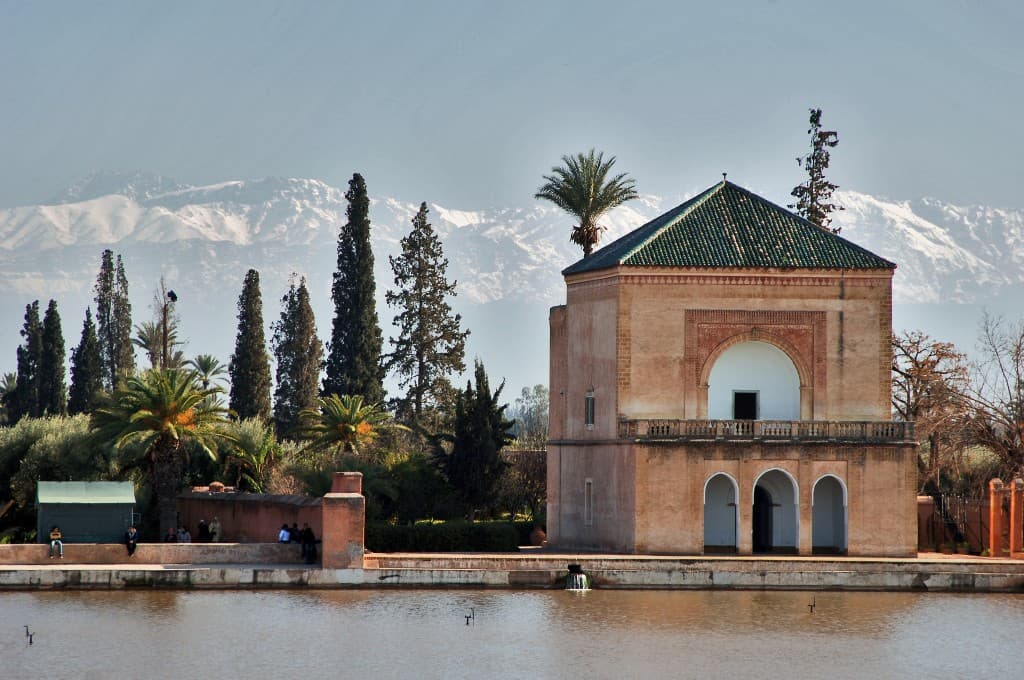
The sun beats down on the red earth walls of Marrakech Medina, where the air hums with the chatter of merchants and the scent of spices fills every narrow alley. You step through the grand entrance of Bab Agnaou, and suddenly you are in the heart of Morocco's most vibrant city, a labyrinth of souks where history and modernity collide in a symphony of colour and sound. Marrakech Medina stands as one of Africa's most captivating urban experiences, a UNESCO World Heritage site that pulses with life and invites you to lose yourself in its ancient rhythms. This guide explores everything you need to know about visiting Marrakech Medina, from navigating its maze-like streets to discovering its hidden treasures and planning your perfect Moroccan adventure.
Why Visit Marrakech Medina
Marrakech Medina captivates visitors with its unparalleled blend of medieval architecture and bustling markets, setting it apart from other North African cities like Cairo or Tunis. As a UNESCO World Heritage site, it preserves over a thousand years of Moroccan history, offering a living museum where you can witness traditional crafts and customs that have remained unchanged for centuries. The medina's vibrant souks provide an authentic shopping experience unlike the polished bazaars of Istanbul or Dubai, where you haggle for handmade leather goods, spices, and textiles directly from local artisans. Its strategic location makes it an ideal gateway to Morocco's diverse landscapes, from the Atlas Mountains to the Sahara Desert, allowing you to combine urban exploration with natural wonders in a single trip. Finally, the medina's culinary scene, featuring tagines and couscous prepared in traditional ways, delivers a taste of Morocco that lingers long after you leave.
Top Attractions & Experiences
Jemaa el-Fnaa Square
You arrive at Jemaa el-Fnaa as dusk falls, and the square transforms into a theatrical spectacle. Street performers juggle fire, snake charmers entice cobras from baskets, and food stalls release clouds of steam from simmering pots. This central plaza, the largest in Africa, serves as the medina's beating heart, where you can watch acrobats defy gravity and listen to storytellers recount ancient tales. Open 24 hours but most vibrant from sunset to midnight, entry is free, though you will want to budget for street food and shows. Expect crowds during peak hours, so arrive early to secure a spot at a rooftop café overlooking the chaos.
Bahia Palace
Stepping into Bahia Palace, you enter a world of intricate zellij tilework and carved cedar ceilings that tell stories of 19th-century opulence. This sprawling complex, built by a grand vizier, features 150 rooms adorned with Islamic calligraphy and geometric patterns that dazzle the eye. You wander through courtyards where fountains play and gardens bloom, feeling the cool shade contrast with the medina's heat outside. Open daily from 9am to 5pm, tickets cost around $10, and guided tours in English are available. The palace's acoustics create an ethereal atmosphere, making it perfect for quiet reflection amidst the medina's bustle.
Saadian Tombs
Beneath the medina's surface lies the Saadian Tombs, a hidden necropolis that emerges as a testament to Morocco's royal past. You descend into chambers filled with marble tombs and gold leaf decorations, where the air carries the weight of history from the 16th century. The intricate stucco work and onyx columns reflect the craftsmanship of the Saadian dynasty, offering a glimpse into Morocco's golden age. Open from 9am to 5pm, entry fees are about $10, and the site includes a small museum. Discovered only in the 20th century, these tombs provide a serene escape from the medina's vibrant streets.
El Badi Palace
Ruins of El Badi Palace stand as silent sentinels in the medina, their crumbling walls whispering tales of a palace that once rivalled Versailles. You walk through the vast courtyard, now a venue for cultural events, imagining the splendour of its original incarnation in the 16th century. The palace's pools and gardens have long since vanished, but the remaining structures showcase Moroccan architecture at its peak. Open daily from 9am to 5pm, admission is around $7, and it's often combined with visits to nearby Bahia Palace. The site hosts occasional festivals, adding a layer of contemporary energy to its historical bones.
Souks of Marrakech
You dive into the souks, a maze of alleys where every turn reveals new wonders. Leatherworkers hammer dyes into hides, spice merchants offer saffron and cumin, and carpet sellers unfurl intricate Berber designs. The air fills with the sounds of bargaining and the aromas of mint tea and roasting nuts. These markets, dating back to the 12th century, offer everything from lanterns to jewellery, with no fixed opening hours but busiest in the mornings. Haggling is expected, and prices start low, but always approach with respect. The souks extend for kilometres, making them an endless adventure for shoppers and observers alike.
Koutoubia Mosque
Although non-Muslims cannot enter Koutoubia Mosque, its towering minaret dominates the medina's skyline, calling faithful to prayer five times daily. You admire its intricate patterns from outside, a masterpiece of Almohad architecture completed in 1199. The mosque's design influences Islamic buildings worldwide, with its geometric motifs and towering presence. Visible from most medina vantage points, it's free to view externally, and nearby gardens offer peaceful spots to contemplate its beauty. The minaret's call to prayer creates a rhythmic soundtrack to your medina explorations.
Best Time to Visit
Marrakech Medina experiences distinct seasons that influence your visit profoundly. Spring, from March to May, brings mild temperatures around 20–25°C, with blooming gardens and fewer crowds, making it ideal for outdoor exploration. Summer, June to August, sees scorching heat up to 40°C, perfect for those who enjoy intense experiences but challenging for extended walking. Autumn, September to November, offers comfortable weather at 20–30°C, coinciding with the harvest festival of Eid al-Adha and grape harvests. Winter, December to February, provides cooler days at 10–20°C, with occasional rain, and lower prices due to off-season status.
Best overall: March to May
Cultural peak: September to November (festivals)
Budget travel: December to February
Avoid: June to August — extreme heat
The medina's festivals, like the Marrakech Biennale in February or the Popular Arts Festival in July, add cultural depth to your timing choices.
Getting There
You fly into Marrakech Menara Airport (RAK), Morocco's fourth-busiest, with direct flights from London taking about three hours and from Dubai around seven hours. Major airlines like Ryanair, British Airways, and Emirates serve the route, with transit hubs in Paris, Amsterdam, and Istanbul common. From the airport, taxis cost around $20 for the 20-minute ride to the medina. Domestic flights connect to other Moroccan cities like Casablanca or Agadir if you plan a multi-city itinerary. The airport handles over five million passengers annually, ensuring reliable connections across Europe and the Middle East.
Visa & Entry Requirements
Most visitors enter Morocco visa-free for up to 90 days, including citizens of the UK, US, Canada, and Australia. EU passport holders enjoy the same privilege, while others may need a visa on arrival or e-visa. Costs vary by nationality, typically $20–60, and you must apply online via the official Moroccan immigration site. Your passport needs six months validity beyond your travel dates, and yellow fever vaccination is required if coming from endemic areas. Always verify requirements with your embassy, as rules can change.
Getting Around
Within Marrakech Medina, you navigate on foot through its pedestrian-only alleys, where cars cannot penetrate. Taxis and ride-hailing apps like Careem operate on the outskirts, costing $5–10 for short trips. For guided tours, join walking excursions that last 2–4 hours, priced at $20–50 per person. Bicycle rentals are available for independent exploration, though the narrow souks favour walking. If venturing beyond the medina, buses and trains connect to nearby Atlas Mountains or Ourika Valley, with fares under $10. Guided drivers provide safe transport for day trips, essential for avoiding the medina's disorienting layout.
Accommodation Guide
Budget options in Marrakech Medina include riads and guesthouses near Jemaa el-Fnaa, starting at $30 per night for basic rooms with shared facilities. Mid-range stays offer private bathrooms and breakfast, around $80–150, in restored medina buildings with rooftop terraces. Luxury experiences feature five-star riads with pools and spas, costing $250–500, often including airport transfers. Areas like the Gueliz district provide modern hotels outside the medina, while staying within allows immersion in local life. Prices fluctuate seasonally, with winter deals common.
Food & Culture
Moroccan tagines, slow-cooked stews of meat and vegetables, define the medina's cuisine, served in family-style portions that encourage sharing. Pastilla, a savoury pie with pigeon or chicken, offers a unique blend of sweet and savoury flavours. Mint tea accompanies every meal, symbolising hospitality, and you sip it from ornate glasses. Culturally, Moroccans greet with handshakes and "Salaam Alaikum," and removing shoes indoors shows respect. The medina hosts Ramadan festivities, where iftar meals break the fast at sunset, creating communal celebrations.
Budget & Cost Guide
Budget traveller: $50–80 per day
Mid-range traveller: $100–200 per day
Luxury traveller: $300+ per day
Accommodation dominates costs, with budget riads at $30–50 nightly. Food expenses include street eats at $5–10 per meal and restaurant dinners at $15–30. Transport within the medina is free on foot, but taxis add $5–10 daily. Entry fees for sites like Bahia Palace total $10–20, and shopping in souks can vary widely. The Moroccan dirham is the currency, with USD widely accepted in tourist areas.
Travel Tips & Safety
Protect yourself from the sun with hats and sunscreen, as the medina's heat can dehydrate quickly. Purchase travel insurance covering medical emergencies and trip cancellations, vital for Morocco's variable conditions. Stay aware of pickpockets in crowded souks by using money belts, and drink only bottled water to avoid stomach issues. Avoid isolated areas at night, and respect local customs like modest dress in religious sites. Pack comfortable walking shoes and light layers for temperature swings.