Mount Kilimanjaro (Tanzania)
Africa Travel Bookings
· 5 min read
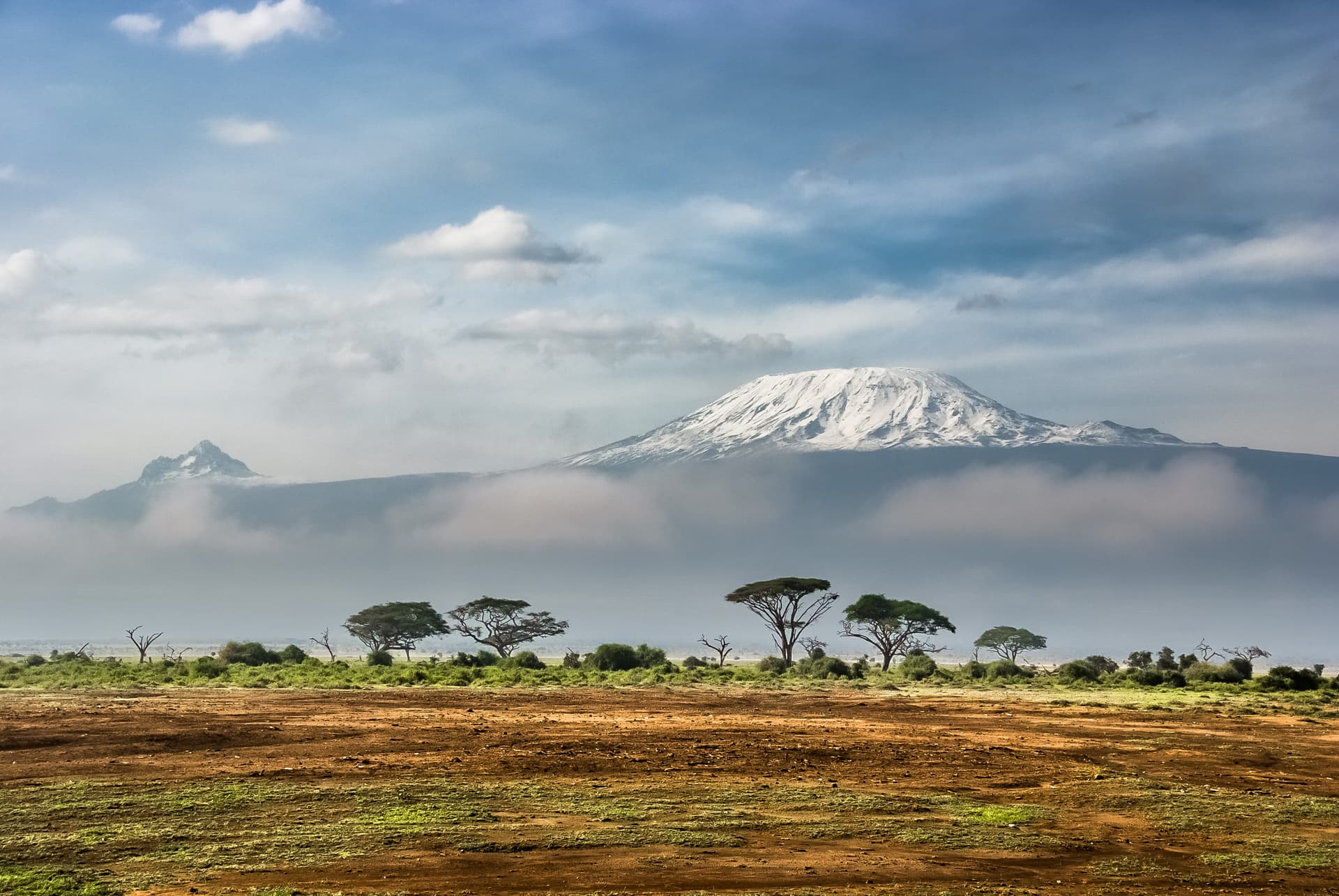
You stand at the base of Mount Kilimanjaro, Africa's highest peak piercing the sky at 5,895 metres. The air carries the scent of equatorial forest, and distant calls of colobus monkeys echo through the mist-shrouded slopes. This dormant volcano, a UNESCO World Heritage Site, offers climbers the chance to summit the 'Roof of Africa' without technical mountaineering skills. Now is the perfect time to attempt this iconic challenge, as Tanzania maintains excellent infrastructure for trekkers while preserving the mountain's pristine wilderness. This comprehensive guide covers everything you need to plan your Kilimanjaro climb, from route selection and preparation to the summit experience and cultural immersion in Tanzania.
Why Visit Mount Kilimanjaro
Mount Kilimanjaro draws adventurers seeking the ultimate physical and mental challenge, offering a seven-day journey through five distinct climate zones from tropical rainforest to arctic summit. Unlike other high-altitude peaks requiring ropes and ice axes, Kilimanjaro demands only determination and proper acclimatisation, making it accessible to fit trekkers of all backgrounds. The mountain holds the record as Africa's highest freestanding mountain and one of the world's most climbed peaks, yet each ascent feels uniquely personal. Climbers witness extraordinary biodiversity, from elephant herds in the foothills to unique vegetation zones found nowhere else on Earth. The experience culminates in the profound satisfaction of standing on Uhuru Peak, the continent's highest point, with views stretching across three countries.
Top Attractions & Experiences
The Summit Push
You begin your final ascent at midnight, headlamp cutting through the darkness as you climb the steep scree slope of Kibo. The air grows thinner, your breath labours, but the stars shine brilliantly overhead. By dawn, you reach Gilman's Point on the crater rim, where the first light illuminates the vast crater below. Continuing along the rim, you reach Uhuru Peak just as the sun rises over Mawenzi Peak. The sense of accomplishment is overwhelming as you gaze down at clouds far below and the plains of Tanzania stretching to the horizon. This moment, achieved after six days of climbing, defines why people come to Kilimanjaro.
Lemosho Route Experience
The Lemosho Route offers the most scenic approach, starting from the western slopes through pristine rainforest. You trek through bamboo forests where blue monkeys leap between branches, then emerge onto sweeping moorlands dotted with giant lobelias. Campsites here feel remote and wild, with views of Shira Plateau and the distant Maasai Steppe. This longer route allows better acclimatisation, reducing altitude sickness risk while providing intimate encounters with Kilimanjaro's ecosystems. Porters carry your gear, allowing you to focus on the journey through this UNESCO-protected wilderness.
Marangu Route Highlights
The Marangu Route, known as the 'Coca-Cola Route', provides hut accommodation instead of tents, making it popular for those preferring comfort. You climb through lush rainforest where waterfalls cascade down moss-covered rocks, then ascend to the stark lunar landscape of the Saddle between Kibo and Mawenzi. The route's gradual incline and hut stops make it suitable for less experienced climbers, though the final summit night remains challenging. The Marangu Gate area offers glimpses of giraffes and antelopes in the surrounding plains, reminding you of Tanzania's rich wildlife beyond the mountain.
Rongai Route Adventure
Starting from the northern slopes near Kenya, the Rongai Route offers a less crowded experience with stunning views of the Kenyan plains. You traverse open grasslands where Maasai herders graze their cattle, then climb through forests of giant heather. The route joins other paths near Kibo, but the northern approach provides unique perspectives of Mawenzi's jagged peaks. This route appeals to those seeking solitude and cultural immersion, with opportunities to visit Maasai villages en route.
Machame Route Challenge
The Machame Route delivers dramatic scenery through the southern approach, passing Shira Plateau's volcanic remnants. You cross lava ridges and climb Barranco Wall, a steep but non-technical scramble requiring sure footing. The route's shorter distance to the summit means less acclimatisation time, making it physically demanding but rewarding. Climbers enjoy panoramic views of the Southern Icefields and the vast Tanzanian landscape below.
Best Time to Visit
Kilimanjaro's climbing seasons directly impact success rates and weather conditions. The dry seasons offer the best climbing windows, while wet periods bring challenges.
The primary climbing season runs from late June to October, when stable weather and clear skies prevail. July and August see the most climbers, with success rates exceeding 80% due to excellent conditions. September and October offer similar weather but fewer crowds, making them ideal for those preferring solitude.
December to February brings shorter rainy days, though the mountain remains climbable with success rates around 70%. March to May sees heavier rains, with success rates dropping to 60% due to slippery trails and potential route closures.
The secondary dry season from late November to mid-December offers good conditions but can be windy.
Best overall: July to September
Wildlife peak: June to October (better views of plains wildlife)
Budget travel: November to March (fewer climbers, lower prices)
Avoid: April to May (heavy rains, lower success rates)
Getting There
Most climbers arrive via Kilimanjaro International Airport (JRO) in Arusha, Tanzania's northern gateway. The airport handles direct flights from Europe, North America, and the Middle East.
Major airlines serving JRO include KLM from Amsterdam, Turkish Airlines via Istanbul, Qatar Airways from Doha, and Ethiopian Airlines from Addis Ababa. Flight times from London range from 9-11 hours with one stop, while Dubai connections take 6-8 hours.
From JRO, you transfer to Arusha (45 minutes) or Moshi (30 minutes) for climb preparations. Domestic flights connect Nairobi (1 hour) and Dar es Salaam (2.5 hours) if needed.
The airport's modern facilities include visa-on-arrival services and reliable taxi transfers to nearby towns.
Visa & Entry Requirements
Tanzania offers straightforward entry for most international visitors. Citizens of the UK, US, Canada, Australia, and many European countries receive visa-on-arrival at Kilimanjaro International Airport or land borders.
The visa costs $50 for most nationalities and remains valid for 90 days. You must have a passport valid for at least six months beyond your travel dates.
No vaccinations are mandatory for Tanzania, though yellow fever certification is required if arriving from or visiting endemic areas. Routine vaccinations including hepatitis A, typhoid, and rabies are recommended for Kilimanjaro climbers spending time in rural areas.
Always verify current requirements with the Tanzanian embassy, as policies can change.
Getting Around
Transportation on Kilimanjaro focuses on organised climbs, with minimal independent travel options. Most climbers join guided treks that include all transfers.
From Arusha or Moshi, Land Cruisers transport you to trailheads like Lemosho Glades or Marangu Gate. These vehicles navigate the rough roads reliably, with experienced drivers familiar with mountain access.
During the climb, you walk between camps, with porters carrying your equipment. The routes follow well-maintained trails, though some sections like Barranco Wall require careful footing.
For pre- and post-climb travel, safari companies offer extensions to Serengeti or Ngorongoro, using similar 4x4 vehicles. Public buses connect Arusha to other Tanzanian destinations, but guided tours provide more comfort and safety.
Accommodation Guide
Accommodation options cater to different climbing styles and budgets. Most climbers stay in Arusha or Moshi before and after their trek.
Budget options include guesthouses and hostels in Arusha from $20-40 per night, offering basic facilities and proximity to outfitters. Mid-range hotels like the Arusha Hotel provide comfortable rooms with restaurants for $60-120 per night.
Luxury lodges such as Mount Meru Hotel offer spa facilities and mountain views for $150-300 per night. These properties often include airport transfers and climb briefing services.
On the mountain, accommodation varies by route. Marangu Route features A-frame huts ($50-70 per night), while other routes use dome tents ($40-60 per night). All mountain accommodation includes meals and is arranged through climbing companies.
Food & Culture
Tanzanian cuisine reflects the country's diverse influences, with Swahili and Arab elements prominent. During your Kilimanjaro climb, you enjoy hearty meals prepared by camp cooks.
Ugali, a stiff maize porridge, forms the staple, served with vegetable stews or meat curries. Chipsi mayai (chips and eggs) provides a popular breakfast, while fresh fruits supplement the diet.
Cultural respect is essential when visiting Maasai communities near the mountain. You remove shoes when entering homes and avoid pointing with your left hand. The Maasai greeting "Sopa" (hello) in Maa language shows cultural awareness.
Kilimanjaro's foothills host cultural festivals celebrating Maasai traditions, though most climbers focus on the mountain experience.
Budget & Cost Guide
Kilimanjaro climbs range from budget treks to luxury expeditions. Costs vary based on route, group size, and inclusions.
A basic Marangu Route climb costs $1,200-1,800 per person for 5-6 days, including park fees, guides, and hut accommodation. Mid-range treks on Lemosho or Machame routes run $2,000-3,000, offering better acclimatisation and tented camps.
Luxury climbs with private guides, premium equipment, and extended itineraries cost $4,000-6,000+. Add $500-1,000 for pre-climb safaris or cultural extensions.
Daily expenses in Arusha add $50-100 for meals and transport. The Tanzanian shilling is the local currency, though USD is widely accepted.
Budget traveller: $1,500-2,500 total
Mid-range traveller: $2,500-4,000 total
Luxury traveller: $4,000+ total
Travel Tips & Safety
Altitude sickness affects many climbers, so proper acclimatisation is crucial. You ascend gradually, with rest days built into longer routes. Symptoms like headaches require immediate descent.
Travel insurance covering high-altitude activities is essential, with medical evacuation options for Kilimanjaro's remote location. Most policies include helicopter rescue from the mountain.
Pack layers for extreme temperature changes, from tropical base to -20°C summit. Waterproof gear protects against sudden rains, while sturdy boots prevent blisters on rocky trails.
Stay hydrated and maintain electrolyte balance. Guides monitor your health, but listen to your body and communicate any concerns.