Mount Sinai (Egypt) travel guide
Africa Travel Bookings
· 5 min read
The predawn darkness over Jebel Musa is absolute — no street lamps, no city glow, only a trail of torch lights snaking upward through cold granite air. By the time you reach the summit of Mount Sinai, the horizon begins to burn, and a silence falls over the crowd that no one seems willing to break. This is Egypt at its most elemental: a 2,285-metre peak revered by three of the world's great religions, standing at the edge of a wilderness that has barely changed in millennia. Mount Sinai draws pilgrims, trekkers and history seekers in equal measure, and the combination of sacred heritage, Bedouin culture and raw desert landscape makes it one of the most distinctive destinations in all of Africa and the Middle East. This guide covers how to plan your summit hike, what to see at St Catherine's Monastery, the best seasons to visit, practical transport logistics and where to stay in the Sinai highlands.
Why Visit Mount Sinai (Egypt)
Mount Sinai is one of the most spiritually charged and visually dramatic landscapes in the world. It is the only destination in Egypt where you can stand atop a 2,285-metre granite peak at dawn, surrounded by Sinai desert as far as the eye can see, while monks below have been praying in an unbroken tradition for more than 1,600 years. The summit hike is unlike any other travel experience on the continent — it is simultaneously a physical challenge, a pilgrimage and a front-row seat to one of the most spectacular sunrises you will ever witness. Compared to Egypt's Nile river cruises and Red Sea beach resorts, Mount Sinai offers something rarer: genuine remoteness, sacred atmosphere and the kind of silence that stills even the most restless traveller.
Top Attractions & Experiences
Summit Sunrise Hike
The hike to the summit of Mount Sinai is the highlight for most visitors. You start in the predawn darkness and reach the top in time for sunrise over the desert. The air is sharp and the soft, blue dawn reveals the jagged ridges and valley below. The climb is best done with a licensed guide and offered as a small-group tour, often paired with tea and Bedouin bread along the ascent.
St Catherine’s Monastery
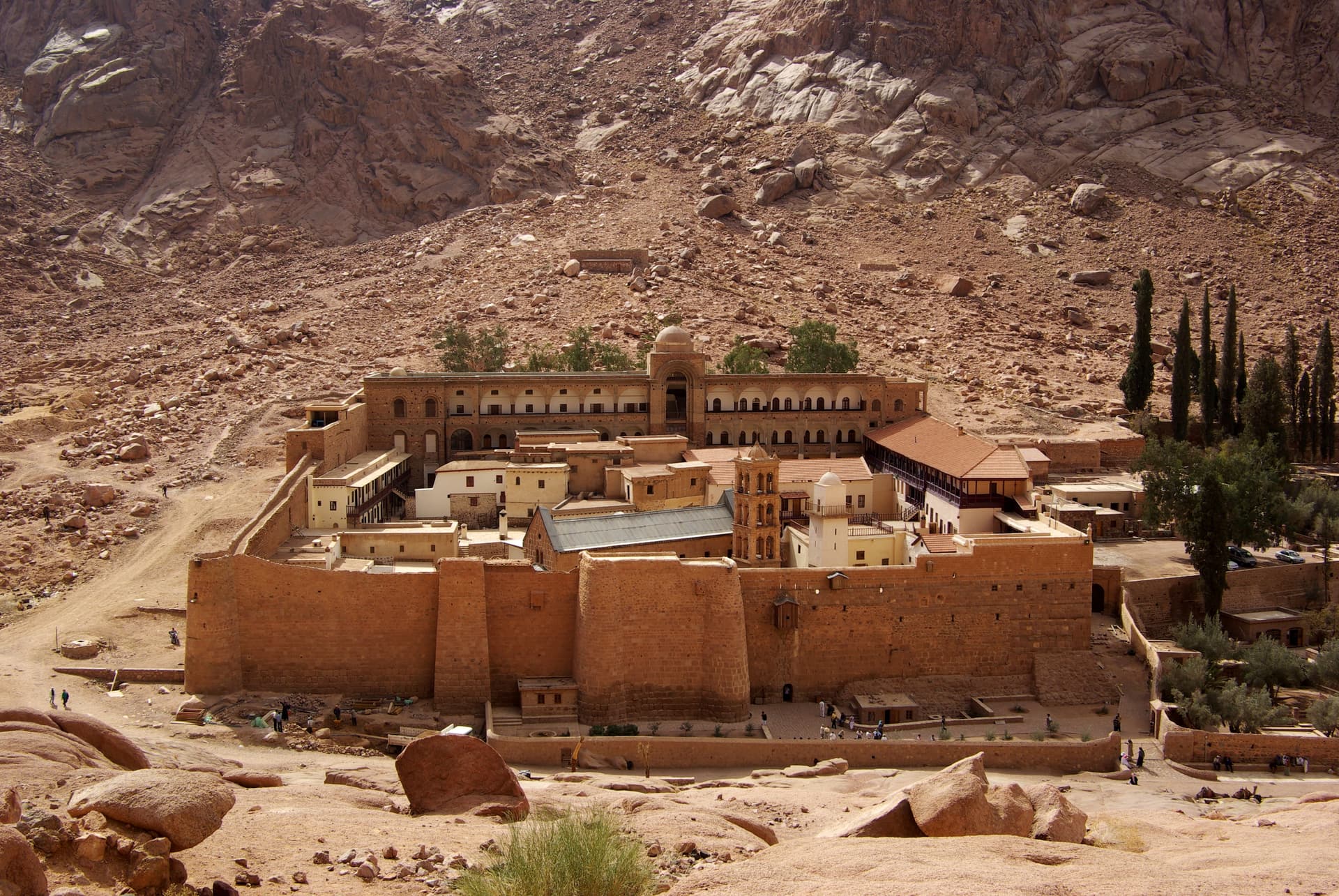
St Catherine’s Monastery sits at the mountain’s base and is the oldest continuously operating Christian monastery in the world. Inside, you can see ancient icons, the Chapel of the Burning Bush and a library of manuscripts. Visiting the monastery is a calm contrast to the climb, and the courtyard feels like a living history museum. Opening hours are generally morning until late afternoon, and a modest dressing code applies.
Bedouin Trails and Camel Valley
The Bedouin trails around Mount Sinai are a chance to experience local desert culture away from the main route. The Camel Valley trail leads through red sand and acacia trees to the mountain’s western face. This slower, less crowded route connects with the main pilgrimage path, and it feels more like a trek than a hike. Local Bedouin guides share stories of the landscape and make the walk a richer cultural experience.
Moses’ Spring and Desert Chapels
A short walk from the monastery is a small spring traditionally linked to Moses. The chapel nearby is a quiet place to reflect after the energy of the summit hike. The spring and the chapel are often visited as part of a full-day tour around the monastery grounds. The path is easy to follow, making it a gentle stop for travellers who want more than just the mountain climb.
Bedouin Hospitality Experience
A Bedouin hospitality experience is the best way to feel the desert community around Mount Sinai. This often includes sitting on rugs, tasting strong tea and sharing simple meals prepared in traditional ways. It is a reminder that Mount Sinai is not just a mountain but a landscape shaped by people who have lived here for generations. These visits are usually arranged through your tour operator or guesthouse.
Best Time to Visit
The timing of your Mount Sinai visit matters more than most travellers expect. The mountain sits at over 2,000 metres, and the temperature difference between a January summit and an August one is the difference between a magical experience and a miserable one.
The best overall window is October to April, when the Sinai highlands are cool and dry. Nights on the summit can drop below freezing in December and January, so layers are essential, but the air is crystal-clear and the pre-dawn sky is extraordinary. Spring visits in March and April offer softer temperatures and, occasionally, wildflowers on the lower slopes.
The monastery tends to be quieter in November and early December, before Christmas pilgrimage groups begin arriving. If you want the summit largely to yourself, try a midweek visit in November.
Best overall: October to April
Peak pilgrimage season: December to January
Budget travel: September to October, April to May
Avoid: June to August — extreme heat makes the hike unpleasant
Summer months from June to August see temperatures on the lower trails exceed 35°C, and even the predawn climb becomes draining. Rain is rare at any time of year, but occasional winter storms can make the upper steps slippery and close the trail temporarily. Check conditions with your guesthouse or guide before departure.
Getting There
The primary international gateway is Cairo International Airport (CAI), with major carriers including EgyptAir, Emirates, Qatar Airways, Lufthansa and British Airways serving the city from Europe, North America and across the Middle East. From London, the flight to Cairo takes roughly five hours; from Dubai, around three hours.
From Cairo, the most practical route to St Catherine's is a domestic flight to Sharm el-Sheikh Airport (SSH) — a 45-minute hop — followed by a private road transfer of three to four hours through the Sinai highlands. EgyptAir operates regular services on this route, and the Sharm el-Sheikh transfer is the most popular option for international visitors.
Alternatively, the resort town of Dahab on the Red Sea coast is two hours from St Catherine's by road and serves as a popular base, particularly for travellers combining the mountain with diving. From Dahab, shared minibuses and private transfers to St Catherine's leave early in the evening for the overnight hike. Direct bus services from Cairo's Turgoman station also serve the region, though the journey takes seven to eight hours and is more suited to budget travellers with flexible time.
Visa & Entry Requirements
Egypt offers e-visa and visa-on-arrival for many nationalities. The tourist visa is usually valid for 30 days and can be extended in Egypt if needed. Check the Egyptian Ministry of Foreign Affairs for the latest entry rules and fees.
Many Western passports benefit from the visa-on-arrival system, but it is safest to apply for an e-visa before travel. Passports must be valid for at least six months beyond your travel dates. Yellow Fever vaccination is required only if arriving from a country with a Yellow Fever risk.
Getting Around
Public transport between Sinai towns exists but is infrequent and unreliable, so most visitors rely on private transfers or pre-arranged minibuses. The road from Sharm el-Sheikh to St Catherine's is paved and well-maintained, passing through dramatic desert and mountain scenery. A private transfer from Sharm typically costs $80–$120 each way.
Once at the monastery gate, the hike is the only way up. Camels and mules are available for hire on the Camel Path section, typically for $15–$25 per animal for the ascent. They cannot navigate the final Steps of Penitence, so some walking is always required. For travellers with mobility limitations or those who find the climb difficult, camels offer a practical alternative for the lower sections. The mountain trails are well-worn and clearly marked, but a licensed Bedouin guide remains the recommended and safest option for night ascents.
Accommodation Guide
Accommodation is concentrated in and around St Catherine's Village, a short drive from the monastery gate. The village has a small but adequate range of guesthouses and eco-lodges, most of which cater to the pilgrim and trekking market.
Budget (under $80 per night): Simple guesthouses in the village offer basic private or shared rooms, clean bathrooms and a morning meal before the hike. Several are run by Bedouin families and provide a warm, no-frills welcome. Expect to pay $25–$60 per night for a twin room.
Mid-range ($80–$250 per night): A small number of mid-range lodges and eco-camps in the valley below the monastery offer private rooms with better amenities, hot showers, and organised hike packages. These properties often include dinner, guide arrangements and wake-up calls for the predawn start. The Green Lodge and similar properties in this tier are popular for good reason.
Luxury ($250+ per night): True luxury options in St Catherine's itself are limited, but those seeking a premium experience can base themselves in Sharm el-Sheikh's five-star resort strip and take a guided day trip. Alternatively, some operators offer bespoke private camps in the Sinai highlands with high-quality tents, chef-prepared meals and personal guides.
Book well in advance during December and January when pilgrim groups fill the village quickly.
Food & Culture
The cuisine of the St Catherine's region blends Egyptian and Bedouin traditions in a way that is simple, hearty and satisfying after a long hike. Ful medames — slow-cooked broad beans dressed with olive oil, cumin and lemon — is the breakfast staple across the Sinai and a sensible choice before the climb. Ta'ameya (Egyptian falafel made with fava beans rather than chickpeas) is fried fresh in local cafés and best eaten hot with flatbread. After the descent, grilled chicken, lamb stew and lentil soup are the most common guesthouse dinners, often accompanied by strong, sweet tea.
On the mountain itself, Bedouin vendors operate small tea stations at points along the Camel Path, offering hot tea, coffee and occasionally Bedouin bread cooked on an open flame. Stopping at these stations is not just practical but an opportunity for genuine cultural exchange.
Cultural etiquette is important here. The monastery is an active place of worship, not a museum — dress modestly, keep voices low, and follow the guidance of monks or staff without question. Photography is forbidden inside the basilica. The Bedouin community of the village observes Islamic customs, so dress modestly in the village as well. Hospitality is central to Bedouin identity; accepting tea when offered is a sign of respect, and a small tip for a guide or host is always appreciated.
Budget & Cost Guide
Mount Sinai is one of the more affordable pilgrimage and trekking destinations in Africa when you account for what the experience delivers.
Budget traveller: ~$60–$90 per day
Mid-range traveller: ~$120–$180 per day
Luxury traveller: $250+ per day
For budget travellers, the main costs are transport from Sharm or Dahab ($40–$80 per person round-trip), a guided hike ($20–$40), and guesthouse accommodation ($25–$50 per night). Simple meals in the village cost $5–$10. At this level, two nights and a full day of activities is achievable for well under $200.
For mid-range travellers, a private transfer from Sharm, a good guesthouse with meals included, a private guide and monastery entry covers $150–$200 for a two-day visit. This tier offers more comfort without sacrificing the authentic experience.
Luxury travellers who base themselves in Sharm el-Sheikh's five-star resorts and do a private day excursion should budget $300–$500 per day all-in, including resort accommodation.
The local currency is the Egyptian pound (EGP), but most tour operators and guesthouses quote prices in USD. Carry local cash for tea vendors on the mountain, the monastery gift shop and village cafes.
Travel Tips & Safety
Pack for the cold. Even in October and April, the summit temperature before sunrise can drop to near freezing. Bring a warm jacket, gloves and a thermal layer, regardless of how warm it felt in Sharm or Cairo. Conversely, the afternoon sun is intense — sunscreen and a hat are equally important.
Carry a headlamp with fresh batteries. The trail begins in total darkness and the first sections have no lighting. A headlamp is non-negotiable. Many guides also carry spares, but do not rely on this.
Malaria prophylaxis is not generally needed for the Sinai highlands, but consult a travel clinic before your trip if you are visiting other parts of Egypt. Routine vaccinations including Hepatitis A and typhoid are advisable. Yellow Fever vaccination is only required if you are arriving from a country with active Yellow Fever transmission.
Travel insurance is essential. The nearest hospital with comprehensive facilities is in Sharm el-Sheikh, roughly three to four hours away. For a hike that involves altitude change and remote terrain, comprehensive travel insurance covering medical evacuation is strongly recommended.
Respect the sacred environment. Mount Sinai is not just a tourist attraction — it is a site of active worship and deep religious significance for Christians, Jews and Muslims. Stay on marked trails, do not remove stones or plant matter, and follow all monastery rules without exception.