Okavango Delta (Botswana)
Africa Travel Bookings
· 5 min read
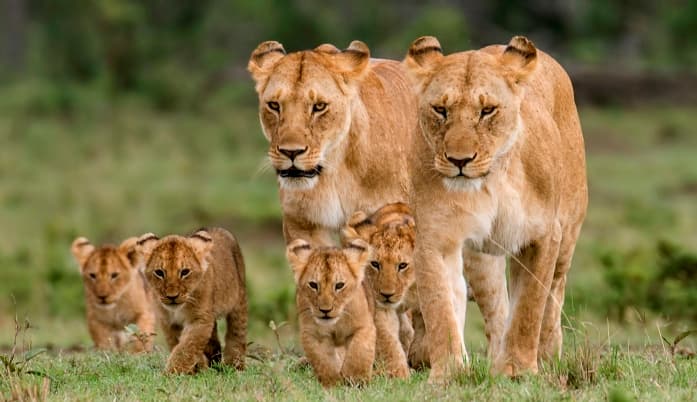
The sun rises over the Okavango Delta, painting the vast floodplain in hues of gold and crimson. You glide silently through crystal-clear channels on a traditional mokoro canoe, the only sound the gentle splash of your poler's oar. Herds of elephants emerge from the reeds for their morning drink, while a family of lions lounges on the bank, their amber eyes following your progress. This is Botswana's Okavango Delta at its most magical — Africa's largest inland delta, where the Kalahari Desert meets a paradise of water and wildlife. With over 1,000 bird species and the highest concentration of African elephants anywhere, the delta offers an unparalleled safari experience that combines pristine wilderness with intimate encounters. This comprehensive guide covers everything you need to plan your Okavango Delta adventure, from the best wildlife viewing seasons to selecting the perfect safari camp.
Why Visit Okavango Delta
The Okavango Delta stands out as one of Africa's most pristine safari destinations, offering an authentic wilderness experience that few other places can match. As the world's largest inland delta, it transforms the arid Kalahari into a lush wetland teeming with life, creating a unique ecosystem where desert meets water. You will witness the highest density of African elephants on the planet, with over 100,000 individuals roaming freely, alongside rare species like the endangered African wild dog and the elusive sitatunga antelope. The delta's remoteness ensures minimal human impact, allowing for genuine encounters with wildlife that feel untouched by time. Recognised as a UNESCO World Heritage Site, it represents the pinnacle of Botswana's conservation efforts, where community-based tourism directly supports local livelihoods and environmental protection.
Top Attractions & Experiences
Mokoro Canoe Safaris
You sit low in a traditional dugout canoe, carved from a single ebony tree and balanced by your skilled poler who propels you through narrow channels with rhythmic strokes. The mokoro glides silently through the papyrus reeds, allowing you to approach wildlife that would scatter at the sound of a motorboat. You might spot a herd of red lechwe antelopes bounding through shallow waters, their hooves barely touching the surface, or watch pied kingfishers dive for fish with pinpoint accuracy. These trips typically last two to three hours and cost around $50–$80 per person, offering an intimate perspective on the delta's aquatic ecosystem that no vehicle can match.
Moremi Game Reserve Wildlife Viewing
Within the delta's heart lies Moremi Game Reserve, a 4,871-square-kilometre sanctuary that protects the most biodiverse section of the wetland. You embark on morning game drives in open Land Rovers, tracking lion prides through acacia woodlands and following elephant herds as they strip bark from trees with their trunks. The reserve hosts Botswana's largest population of African wild dogs, those efficient predators with their mottled coats and haunting calls. Birdlife explodes in variety here, with over 400 species including the majestic African fish eagle and the vibrant malachite kingfisher. Entry fees range from $100–$150 per person per day, depending on the season.
Chief's Island Exploration
Chief's Island, the delta's largest permanent island, offers a microcosm of African savanna ecosystems compressed into one accessible area. You hike through mopane woodlands where you might encounter grazing impalas and watchful kudu, their spiral horns curving elegantly. The island's elevated terrain provides panoramic views across the floodplain, where you can observe the delta's seasonal flooding patterns. Cultural sites include ancient San rock paintings, offering glimpses into the indigenous peoples who have inhabited this landscape for millennia. Guided walks cost approximately $40–$60 per person and provide a deeper understanding of the delta's geological and human history.
Night Drives and Star Gazing
As darkness falls, you venture out on specialised night drives equipped with spotlights that reveal the delta's nocturnal inhabitants. You illuminate the eyes of genets and civets prowling through the underbrush, or catch the reflective gaze of a leopard stalking its prey. The Botswana night sky, unpolluted by city lights, transforms into a celestial tapestry where you can identify constellations and even spot the Milky Way's central bulge. These drives, priced at $50–$70 per person, offer a different dimension to safari experiences, revealing the delta's hidden rhythms when most visitors sleep.
Fishing and Water-Based Activities
The delta's crystal-clear waters provide excellent opportunities for catch-and-release fishing, targeting species like tigerfish and bream. You cast lines from the banks or from boats, learning traditional fishing techniques from local guides. For the more adventurous, you can try fly-fishing in the quieter channels, where the challenge lies in presenting your fly amidst floating vegetation. These activities not only offer recreation but also support local communities through sustainable tourism initiatives. Fishing permits and guided trips cost between $80–$120 per person for a half-day excursion.
Best Time to Visit
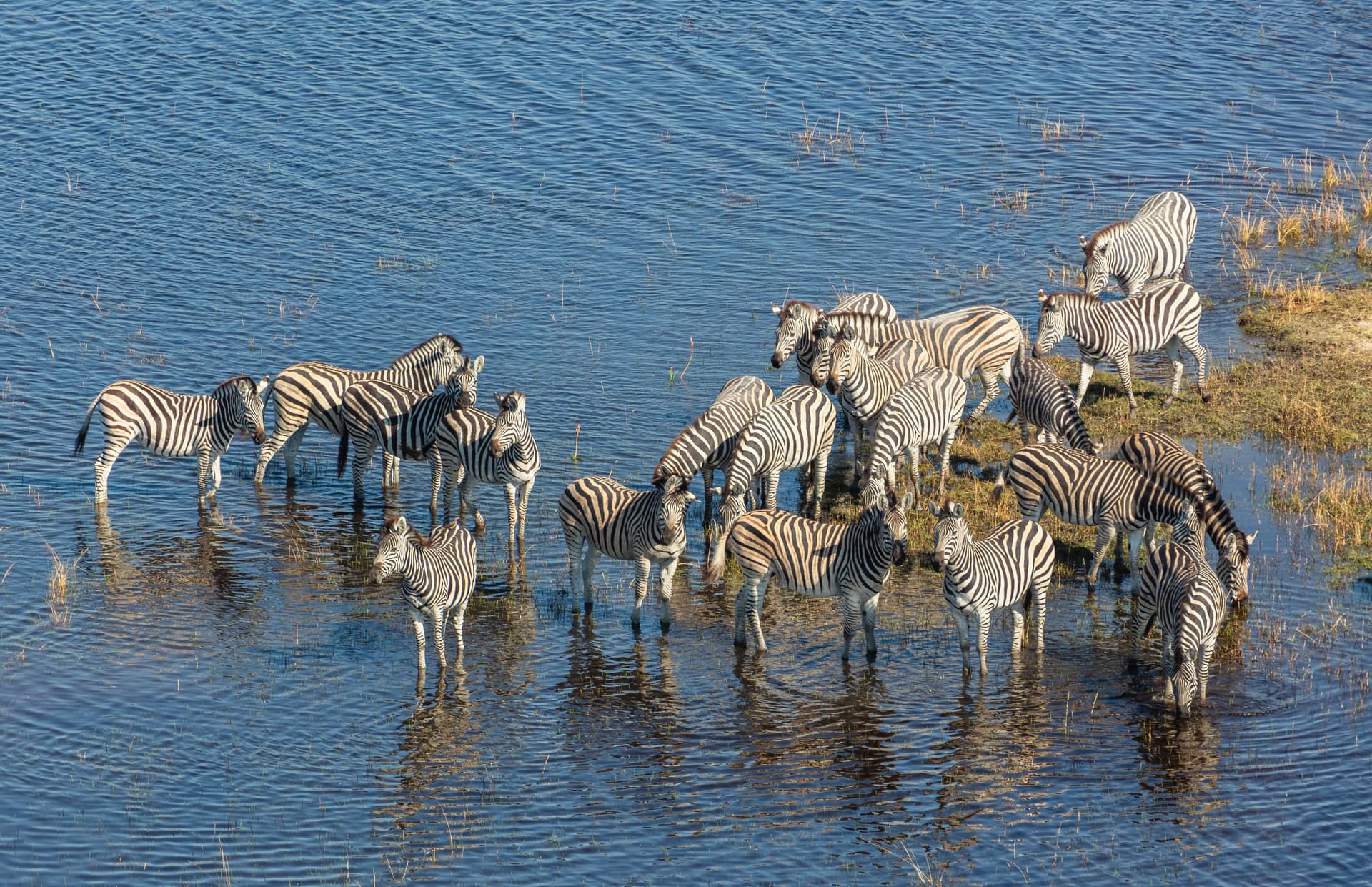
The Okavango Delta experiences distinct wet and dry seasons that dramatically influence your safari experience. The dry season, from May to October, offers the best wildlife viewing as animals concentrate around permanent water sources. This period sees the delta at its most accessible, with game drives possible on dry land and mokoro trips through navigable channels. Peak season runs from June to August, when temperatures range from 15–25°C during the day, dropping to 5–10°C at night. You will witness the highest concentration of wildlife, including the famous zebra migrations from Namibia.
The wet season, from November to April, transforms the delta into a vast inland sea, with floodwaters peaking in March and April. While game drives become challenging due to inundated areas, mokoro safaris excel during this time, allowing deeper penetration into flooded regions. Birdlife peaks dramatically, with migratory species arriving from Europe and Asia. However, accessibility decreases, and some camps close during the height of the rains.
Shoulder seasons in May and September offer excellent value, with fewer crowds and still-reliable wildlife viewing. The delta remains relatively cool year-round, with daytime temperatures rarely exceeding 30°C even in summer.
Best overall: June to August
Wildlife peak: May to October
Budget travel: April to May or September to October
Avoid: January to March — heavy rains make many areas inaccessible
Getting There
You will most likely arrive in Botswana via Maun, the gateway town to the Okavango Delta, located 300km from the delta's edge. Maun International Airport serves direct flights from Johannesburg (2 hours), Cape Town (3 hours), and Windhoek (1.5 hours). International carriers like Air Botswana, South African Airways, and Airlink operate regular services from major African hubs.
From Europe, you connect through Johannesburg or Cape Town, with total flight times around 12–14 hours from London. Dubai serves as another convenient transit point, with Emirates flights taking about 10 hours to Johannesburg plus the domestic leg. Within Africa, Nairobi and Addis Ababa function as secondary hubs for East African connections.
Once in Maun, light aircraft charters provide the most efficient transfer to safari camps, taking 20–45 minutes depending on your location. These scenic flights offer aerial views of the delta's intricate waterways. Road transfers from Maun take 3–4 hours by 4x4 vehicle, though this option suits overland travellers combining the delta with other Botswana destinations.
Visa & Entry Requirements
Botswana offers visa-free entry for citizens of over 80 countries, including the UK, USA, Canada, Australia, and most EU nations, for stays up to 90 days. You simply present your passport at immigration, with no advance visa application required. Citizens of countries like India, China, and some Middle Eastern nations must apply for an e-visa through the Botswana immigration website, costing $80 and processing within 2–3 business days.
Your passport must remain valid for at least six months beyond your planned departure date. No vaccinations are mandatory for entry, though yellow fever certification is recommended if you have recently travelled to endemic areas. Malaria prophylaxis is strongly advised for delta visits, with mefloquine or atovaquone-proguanil being common choices. Always verify current requirements with your local Botswana embassy, as policies can change.
Getting Around
The Okavango Delta's watery terrain dictates specialised transport methods that enhance rather than hinder your safari experience. Light aircraft charters serve as the primary means of reaching remote camps, with scheduled flights from Maun operating daily. These 20–45 minute journeys cost $150–$300 per person round-trip and provide spectacular aerial introductions to the delta's geography.
Within the delta, mokoro canoes and motorboats handle water-based travel, while 4x4 vehicles manage game drives on the firmer islands and seasonal floodplains. Most safari operators include all transfers in their packages, eliminating the need for independent transport. Self-drive options exist but are impractical due to the terrain and lack of roads. Guided tours typically provide dedicated vehicles and boats, ensuring you focus on the wildlife rather than logistics.
Accommodation Guide
The Okavango Delta offers accommodation ranging from rustic mobile camps to ultra-luxury lodges, all designed to minimise environmental impact. Budget options start at under $200 per person per night, featuring shared facilities and basic tents pitched on elevated platforms. Mid-range camps, priced $200–$500 per night, provide en-suite bathrooms, private decks, and guided activities included.
Luxury properties dominate the delta, with permanent lodges offering unparalleled comfort at $500–$1,500 per person per night. These include private plunge pools, gourmet dining, and personalised guiding. The most exclusive mobile camps, following wildlife seasonally, command $1,000–$2,500 per person per night and cater to discerning travellers seeking ultimate exclusivity.
Most camps cluster around Chief's Island and the Moremi Game Reserve perimeter, ensuring proximity to prime wildlife areas. Water-based camps accessible only by boat or mokoro provide the most authentic delta experience, though they require advance booking due to limited capacity.
Food & Culture
Botswana's culinary heritage blends Kalahari traditions with modern influences, offering dishes that reflect the delta's bounty. You will savour seswaa, a slow-cooked beef stew pounded to a tender consistency and served with pap (maize porridge), representing Botswana's national dish. Fresh tigerfish, caught from the delta's waters, appears grilled or in stews, highlighting the region's aquatic abundance.
Cultural etiquette emphasises respect for elders and communal sharing, with meals often eaten family-style. The San people's traditional hunting and gathering practices influence modern conservation efforts, teaching sustainable resource use. During your visit, you might participate in cultural performances showcasing traditional songs and dances that narrate the delta's creation myths.
Budget & Cost Guide
Planning a trip to the Okavango Delta requires careful budgeting, as safari costs dominate expenses. A budget traveller can manage on $150–$250 per day, focusing on basic camps and shared activities. This includes accommodation under $100 per night, simple meals, and entry fees, though you will need to arrange your own transport.
Mid-range travel costs $250–$450 per day, encompassing comfortable lodges, guided safaris, and domestic flights. Luxury experiences exceed $450 per day, with premium camps and private charters adding significantly to the total.
The Botswana pula (BWP) serves as the local currency, though USD is widely accepted in tourist areas. Safari activities represent the largest expense, with game drives and mokoro trips costing $50–$150 per person. Food expenses range from $20–$50 per day, depending on whether you dine at your camp or venture out.
Budget traveller: $150–$250 per day
Mid-range traveller: $250–$450 per day
Luxury traveller: $450+ per day
Travel Tips & Safety
The Okavango Delta is generally safe for travellers, though preparation ensures a smooth experience. Malaria transmission occurs year-round, so you should take prophylaxis like doxycycline or mefloquine, combined with insect repellent and long-sleeved clothing. Consult a travel health clinic for personalised advice, as resistance patterns can vary.
Comprehensive travel insurance is essential, covering medical evacuation and trip cancellations — particularly important given the delta's remoteness. Pack lightweight, moisture-wicking clothing in neutral colours, plus a wide-brimmed hat and sunglasses for sun protection. Binoculars enhance wildlife viewing, while a dry bag protects electronics during mokoro trips.
Respect wildlife by maintaining safe distances and following guide instructions. The delta's community-based tourism model supports local conservation, so you contribute directly to preservation efforts through your visit.