Praslin & La Digue Islands (Seychelles) Travel Guide
Africa Travel Bookings
· 5 min read
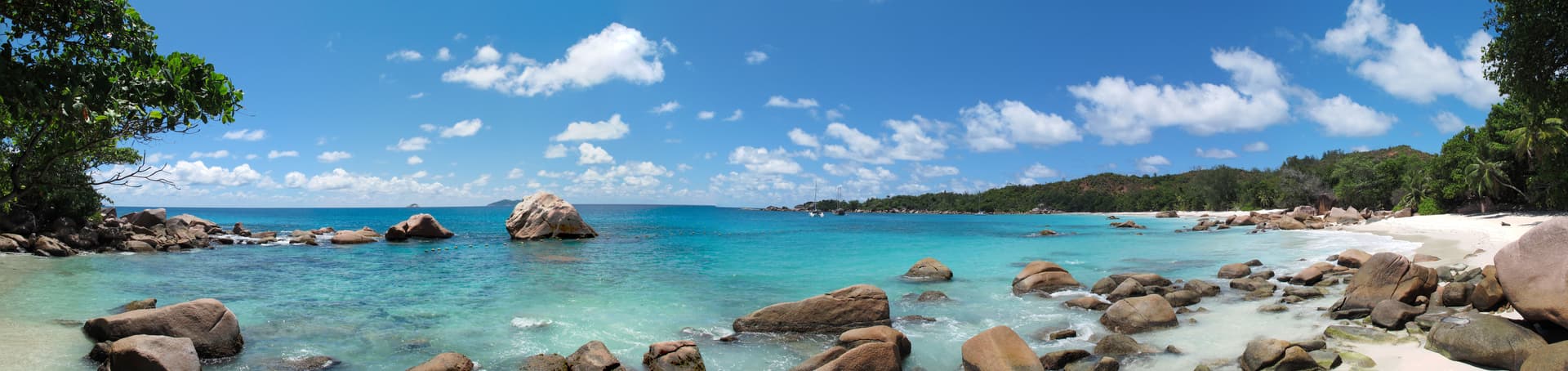
You step onto the powdery white sand of Anse Lazio, where the turquoise Indian Ocean laps gently at your feet, framed by towering granite boulders that rise like ancient sentinels from the sea. Praslin and La Digue Islands, the heart of the Seychelles archipelago, offer a paradise untouched by the crowds that swarm other tropical destinations. Here, the rare coco de mer palm, with its enormous, heart-shaped nuts, grows wild in the UNESCO-listed Vallee de Mai, a living testament to the islands' extraordinary biodiversity. Now is the perfect time to visit, as these islands maintain their pristine beauty while welcoming discerning travellers seeking authentic seclusion. This guide explores the top attractions, best times to visit, practical logistics, and everything you need to plan your unforgettable Seychelles adventure.
Why Visit Praslin & La Digue Islands
Praslin and La Digue captivate visitors with their unparalleled natural beauty and unique ecosystems that set them apart from other Indian Ocean islands. The Vallee de Mai Nature Reserve, a UNESCO World Heritage Site, boasts the world's largest seed—the coco de mer—and dense forests of endemic palms that create a prehistoric atmosphere unlike anywhere else. Anse Source d'Argent, with its dramatic granite formations and postcard-perfect beaches, ranks among the world's most photographed spots, offering a blend of raw beauty and serenity. The islands' commitment to conservation ensures crystal-clear waters ideal for snorkelling and diving, where you encounter vibrant marine life in protected areas. Luxury resorts provide world-class hospitality, while the laid-back Creole culture offers a genuine escape from modern life, making these islands a sanctuary for those seeking both adventure and relaxation.
Top Attractions & Experiences
Vallee de Mai Nature Reserve
You enter the Vallee de Mai through a canopy of towering palms, where sunlight filters through leaves the size of elephant ears, creating a cathedral-like hush. This UNESCO World Heritage Site on Praslin Island protects the endangered coco de mer palm, whose massive nuts can weigh up to 20 kilograms and take seven years to mature. Wander wooden boardwalks that wind through the forest, spotting endemic birds like the Seychelles bulbul and the rare black parrot. The reserve covers 19.5 hectares of pristine rainforest, where you feel transported to a time before human influence. Entry costs $10 per person, and guided tours run daily from 08:00 to 17:30, lasting about two hours. Bring sturdy shoes and insect repellent, as the humid trails can be slippery after rain.
Anse Source d'Argent Beach
As you descend the short path to Anse Source d'Argent, the beach unfolds like a masterpiece: granite boulders sculpted by millennia of waves, arranged in surreal formations that photographers dream of. The fine white sand contrasts sharply with the turquoise lagoon, where gentle waves provide the perfect soundtrack to your relaxation. This Praslin beach, often voted one of the world's most beautiful, offers seclusion even in peak season, with space for picnics and sunbathing. Snorkellers explore the clear waters just offshore, spotting colourful fish among the rocks. Free to access, it gets busy around midday, so arrive early for the best photos. The beach's unique geology, with boulders up to three metres high, makes it a must-visit for nature lovers.
Anse Lazio Beach
Anse Lazio stretches out in a perfect crescent, its soft sand bordered by lush greenery and those iconic granite outcrops that define Seychelles' coastline. On Praslin's northwest coast, this beach combines pristine beauty with accessibility, featuring calm waters ideal for swimming and paddleboarding. You can rent kayaks or stand-up paddleboards directly on the beach for around $15 per hour, exploring the coastline at your own pace. The beach's gentle slope makes it family-friendly, while the surrounding hills offer hiking trails for the more adventurous. Visit in the morning to avoid the midday sun, and pack a picnic to enjoy the serene atmosphere. Entry is free, and the beach rarely feels crowded, preserving its tranquil charm.
La Digue Island Exploration
La Digue, the smaller sister island, welcomes you with its car-free charm, where bicycles and ox-carts serve as the main transport. You cycle along sandy tracks lined with takamaka trees, passing vanilla plantations and Creole houses painted in vibrant colours. The island's beaches, like Anse Patates and Grand Anse, offer untouched stretches of sand where you can swim in warm, clear waters. Visit the Union Estate for a glimpse into Seychelles' plantation history, with its restored machinery and fruit orchards. The island's laid-back vibe encourages you to slow down, perhaps stopping for fresh coconut water from roadside vendors. Ferries from Praslin take 15 minutes and cost $5 one-way, making day trips easy.
Snorkelling and Marine Life
You slip into the warm waters off Praslin's coast, where the coral reefs teem with life just metres from shore. Snorkelling spots like Anse Georgette reveal a underwater world of parrotfish, clownfish, and sea turtles gliding through vibrant coral gardens. The Seychelles' protected marine areas ensure excellent visibility, often exceeding 20 metres, allowing you to spot reef sharks and rays in their natural habitat. Guided snorkel tours cost around $50 per person and include equipment, departing from various beaches. For divers, deeper sites offer encounters with larger species like manta rays. The best conditions occur during the dry season, when calm seas make exploration effortless and rewarding.
Best Time to Visit
The Seychelles experience varies dramatically with the seasons, influencing everything from beach conditions to accommodation prices. The dry season, from May to October, brings clear skies, calm seas, and the best weather for outdoor activities, though temperatures can reach 32°C. June to September marks peak season, with higher prices and more visitors, but also the most reliable sunshine. November to April sees the wet season, with occasional heavy rains and rougher seas, though temperatures remain pleasant around 28°C. This period offers budget savings and fewer crowds, ideal for those seeking solitude.
Best overall: May to October
Wildlife peak: June to September (marine life most visible)
Budget travel: November to April
Avoid: January to March (heaviest rains, though still beautiful)
During the wet season, lush vegetation flourishes, and you might encounter migrating humpback whales offshore from July to September. The islands receive about 2,000mm of rainfall annually, concentrated in the wet months, but showers are typically short and refreshing. For beach lovers, the dry season's calm waters make swimming and snorkelling perfect, while the wet season suits those interested in the islands' vibrant greenery.
Getting There
Praslin and La Digue connect primarily through Mahe, the main island of Seychelles, which hosts the international airport. Seychelles International Airport (SEZ) receives direct flights from major hubs like Dubai (Emirates, Etihad), London (British Airways), and Paris (Air France), with flight times around 5-6 hours from Dubai and 11-12 hours from London. Regional carriers like Air Seychelles and Kenya Airways offer connections through Nairobi or Addis Ababa. From Mahe, domestic flights to Praslin take 20 minutes and cost about $100 round-trip, or you can take a scenic ferry for $30, lasting 45 minutes to an hour.
Once on Praslin, ferries to La Digue run multiple times daily, taking 15-20 minutes and costing $5-10 one-way. The ferry terminal on Praslin operates from early morning to late afternoon, with schedules adjusting for weather. For the most efficient travel, fly into Mahe during daylight hours to allow same-day connections to Praslin.
Visa & Entry Requirements
Most visitors to Seychelles enjoy visa-free entry, including citizens of the UK, US, EU countries, and many others, for stays up to 90 days. Upon arrival at Seychelles International Airport, you receive a free entry permit valid for three months. Citizens of countries like China, India, and some African nations may need to apply for an e-visa in advance through the Seychelles Immigration website. The e-visa costs $80 and takes 3-5 days to process. Your passport must remain valid for at least six months beyond your planned departure date.
No vaccinations are mandatory for Seychelles, though yellow fever certification is required if travelling from an endemic area. Routine vaccinations like hepatitis A, typhoid, and rabies are recommended for extended stays. Always verify current requirements with the Seychelles Department of Immigration and Citizenship, as policies can change.
Getting Around
Within the Seychelles, transport between islands relies on ferries and small aircraft, while on Praslin and La Digue, you move by bicycle, taxi, or on foot. From Mahe to Praslin, choose between 20-minute flights ($100 round-trip) or scenic catamaran ferries ($30 one-way, 45-60 minutes). La Digue remains car-free, so bicycles are the primary mode—rentals cost $5-10 per day from shops near the ferry terminal. On Praslin, taxis and rented cars provide flexibility, with roads well-maintained but hilly in places.
Guided tours often include transfers, making independent travel straightforward. For multi-day stays, renting a scooter on Praslin costs about $20 per day, though helmets are essential. The islands' small size means most attractions are accessible within a short drive or cycle, and the friendly locals make navigation easy.
Accommodation Guide
Praslin and La Digue offer accommodation ranging from intimate guesthouses to luxury resorts, concentrated around beachfront areas. Budget options include guesthouses and small hotels near ferry terminals, where you find clean rooms with basic amenities for under $80 per night. Mid-range choices, like boutique hotels and self-catering apartments, provide more space and facilities, costing $80-250 per night and often including breakfast. Luxury resorts dominate the higher end, with villas and beachfront suites starting at $250 per night, offering private pools, spas, and personalised service.
On Praslin, areas like Anse Volbert and Cote d'Or house most resorts, while La Digue's options focus on family-run establishments near the beaches. Prices peak during June to September, so book early for the best deals. Many properties include airport transfers, and eco-friendly lodges appeal to conservation-minded travellers.
Food & Culture
Seychelles cuisine blends Creole, French, and African influences, with fresh seafood and tropical fruits taking centre stage. Try grilled octopus or fish curry, seasoned with local spices and served with rice and lentils. The coco de mer palm provides unique ingredients, like heart-of-palm salads, while vanilla grown on La Digue adds flavour to desserts. Street food vendors offer takeaway options like fresh fish sandwiches for around $5.
Culturally, the Creole people maintain traditions like the Festival Kreol in October, celebrating music, dance, and food. Visitors should greet with a handshake and "bonzour," and respect the islands' conservative dress codes at religious sites. The laid-back pace reflects a society valuing family and nature, where you feel welcomed as a guest rather than a tourist.
Budget & Cost Guide
Travelling to Praslin and La Digue suits mid-range to luxury budgets, with costs varying by season and accommodation choice. A budget traveller might spend $100-150 per day, staying in guesthouses ($50-80/night), eating local meals ($10-15), and using public ferries ($10-20 for inter-island travel). Mid-range travellers typically budget $200-350 per day, opting for boutique hotels ($100-200/night), guided tours ($50-100), and occasional restaurant dinners ($20-30). Luxury travellers exceed $400 per day, with high-end resorts ($300+/night), private transfers ($50-100), and premium activities like diving ($100-200).
The Seychellois rupee (SCR) is the local currency, though USD and euros are widely accepted. Factor in a 15% service charge at restaurants and 12% VAT on goods. Inter-island ferries and basic meals keep costs reasonable, but imported items and resort stays drive up expenses.
Travel Tips & Safety
Seychelles is generally safe for travellers, with low crime rates and a welcoming population. Pack light clothing, sturdy sandals for rocky beaches, and reef-safe sunscreen to protect the marine environment. Malaria is not present, but dengue fever occurs occasionally—use insect repellent and stay in screened accommodations. Tap water is safe to drink, though bottled water is readily available.
Always carry travel insurance covering medical emergencies and trip cancellations, essential for remote islands. Respect local customs by dressing modestly at beaches and avoiding loud behaviour. For health, consider vaccinations for hepatitis A and typhoid if eating street food extensively. The islands' medical facilities are basic, so address any health issues before arrival.