Robben Island (South Africa)
Africa Travel Bookings
· 5 min read
The ferry cuts through the choppy waters of Table Bay, carrying you towards a low-lying island that has witnessed centuries of human drama. Robben Island rises from the sea, its stark white lighthouse piercing the sky, a sentinel over one of Africa's most poignant historical sites. This is where Nelson Mandela spent 18 of his 27 years in prison, transforming a place of suffering into a global symbol of resilience and hope. Today, you step onto this UNESCO World Heritage Site not just as a tourist, but as a witness to history that shaped modern South Africa. This travel guide covers everything you need to explore Robben Island, from its prison tours to its wildlife encounters, ensuring you leave with a deeper understanding of its profound legacy.
Why Visit Robben Island
Robben Island stands as a testament to South Africa's struggle against apartheid, offering visitors a chance to walk in the footsteps of Nelson Mandela and other freedom fighters. Its isolation in Table Bay creates a unique ecosystem where African penguins waddle freely, providing unexpected wildlife encounters amidst the historical weight. As a UNESCO World Heritage Site, it holds global significance, drawing parallels to Alcatraz but with a uniquely African narrative of triumph over oppression. The island's guided tours, led by former political prisoners, deliver personal stories that resonate deeply, making it more than a museum—it's a living lesson in human endurance. Compared to other South African attractions like Table Mountain, Robben Island offers an intimate, reflective experience that lingers long after you depart.
Top Attractions & Experiences
The Maximum Security Prison
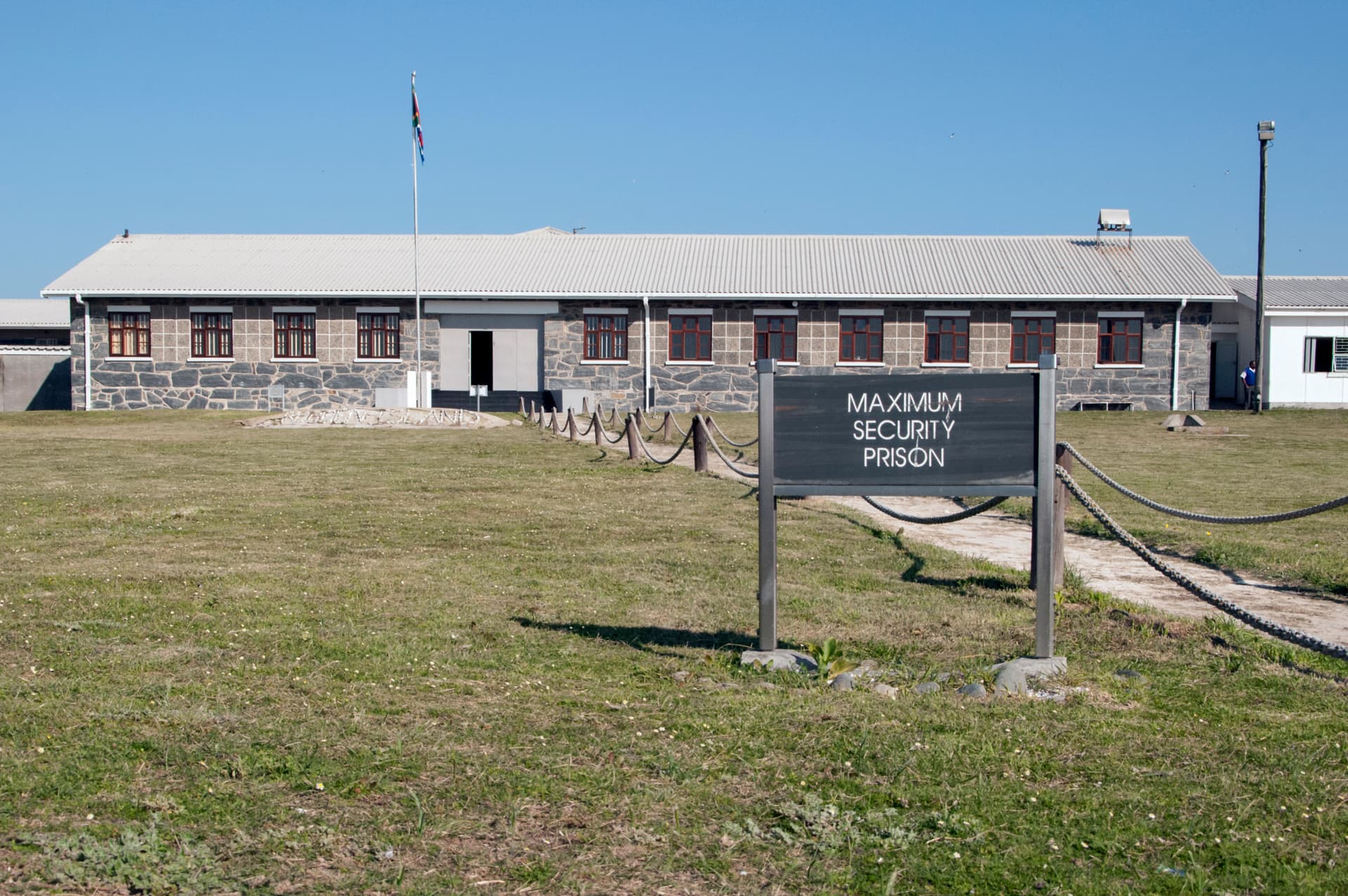
You enter the stark corridors of the Maximum Security Prison, where Nelson Mandela's cell number 5 stands as a shrine to his unyielding spirit. The guided tour, often led by ex-prisoners, brings the stories to life— you hear about the harsh conditions, the secret meetings, and the small acts of defiance that kept hope alive. Expect to spend an hour here, reflecting on the graffiti-covered walls and the tiny exercise yard where prisoners plotted their future. Entry fees start at R500 for adults, and tours run daily from 9am to 3pm, with the last ferry departing at 5pm.
Nelson Mandela's Cell
This modest cell, measuring just 2.4 by 2.1 metres, becomes profoundly moving as your guide recounts Mandela's 18-year confinement. You see the bucket that served as a toilet, the thin mattress on the concrete floor, and the barred window overlooking the sea. The experience transcends tourism; it's a visceral connection to history. Visitors often leave with a renewed appreciation for freedom, and the cell's simplicity underscores the power of the human will.
The Quarry
You descend into the limestone quarry where prisoners toiled under the relentless sun, breaking rocks that built Cape Town's roads. Mandela's words echo here: "It was here that I learnt the true meaning of freedom." The quarry's stark beauty, with its white cliffs and turquoise waters, contrasts sharply with its grim history. Tours include a stop here, where you can touch the walls etched with messages of resistance. It's a sobering yet inspiring spot, highlighting the island's dual role as a place of punishment and transformation.
African Penguin Colony
Away from the prison's shadows, you encounter the island's wildlife sanctuary, home to over 1,000 African penguins. These charming birds, with their black-and-white tuxedos and distinctive donkey-like braying, nest in burrows along the rocky shores. You watch them waddle and swim, their numbers a success story of conservation efforts. The colony is accessible via guided walks, offering a lighter counterpoint to the island's heavy history. Best viewed in the early morning or late afternoon, when the penguins are most active.
The Lighthouse and Coastal Walks
The 1836 lighthouse, South Africa's oldest, offers panoramic views of Cape Town and the bay. You climb its spiral staircase for vistas that stretch to the horizon, a reminder of the island's strategic importance. Nearby coastal walks reveal the island's natural beauty—seals basking on rocks, cormorants diving for fish, and wildflowers blooming in spring. These paths provide a peaceful escape, allowing you to reflect on the island's evolution from penal colony to protected reserve.
The Leper Colony Ruins
You explore the crumbling ruins of the leper colony, established in the 19th century for those afflicted with leprosy. The stone buildings, overgrown with vegetation, tell a story of isolation and stigma. Guided tours explain the medical history and the patients' lives, adding another layer to the island's complex past. It's a lesser-visited area, offering a quieter, more contemplative experience.
Best Time to Visit
Robben Island's weather follows Cape Town's Mediterranean climate, with mild, wet winters and warm, dry summers. The best time to visit is during the Southern Hemisphere summer, from December to February, when temperatures average 25°C and the sea is calm for ferry crossings. This period also coincides with the penguin breeding season, offering lively wildlife sightings. Shoulder seasons, March to May and September to November, bring pleasant weather around 20°C, fewer crowds, and lower prices, though occasional rain can disrupt ferry schedules.
Avoid the winter months of June to August, when strong winds and rough seas often cancel ferries, and temperatures drop to 15°C with frequent rain. Spring (September to November) sees wildflowers blooming, adding colour to the landscape, while autumn (March to May) offers clear skies for photography.
Best overall: December to February
Wildlife peak: December to February
Budget travel: March to May or September to November
Avoid: June to August — rough seas and cold weather
Getting There
You reach Robben Island primarily by ferry from the V&A Waterfront in Cape Town, a 30-minute journey across Table Bay. Ferries depart hourly from 9am to 3pm, with the last return at 5pm. Cape Town International Airport (CPT) serves as the main entry point, with direct flights from London taking about 12 hours via major airlines like British Airways and South African Airways. From Dubai, flights connect through Johannesburg or Nairobi, adding 2-3 hours. Domestic flights from Johannesburg to Cape Town take 2.5 hours. No direct international flights land on the island, so Cape Town remains the essential gateway.
Visa & Entry Requirements
South Africa offers visa-free entry for citizens of the UK, US, EU countries, and many others for stays up to 90 days. If you require a visa, apply for an e-visa through the South African Department of Home Affairs website, costing around $80 and processing in 2-4 days. Your passport must be valid for at least six months beyond your travel dates. No vaccinations are mandatory, but yellow fever is recommended if arriving from endemic areas. Always verify requirements with your embassy, as rules can change.
Getting Around
Once on the island, you explore on foot or by tractor-drawn tram during guided tours, which cover the main sites in about 3.5 hours. Ferries handle the water crossing, but on the island, walking is the primary mode—paths are well-maintained but can be uneven. For independent travel, arrange private charters from Cape Town, though most visitors opt for organised tours that include transfers. Driving is not permitted on the island, so rely on guides for navigation. The compact size means you can cover everything in a day, with no need for additional transport.
Accommodation Guide
Accommodation options centre in Cape Town, as Robben Island itself has no overnight stays. Budget travellers find hostels and guesthouses in the city centre or Green Point, starting at $30 per night for shared dorms. Mid-range hotels like those in the Waterfront area offer comfort with sea views for $80–$150 per night. Luxury options include five-star properties such as The Table Bay Hotel, with rooms from $250 upwards, providing concierge services for island tours. For a unique stay, consider boutique lodges in nearby areas like Camps Bay. Prices vary by season, with summer peaks pushing rates higher.
Food & Culture
Robben Island's cuisine reflects South Africa's diverse heritage, with traditional dishes like bobotie—a spiced mince pie with custard topping—and bunny chow, a hollowed-out loaf filled with curry. You might sample these in Cape Town's restaurants before or after your visit. Culturally, the island honours the amaXhosa and Khoisan peoples, with tours incorporating their stories of resistance. Respect local customs by greeting elders with "Molo" and learning about ubuntu, the philosophy of shared humanity. Festivals like the Cape Town International Jazz Festival in March add vibrancy, though the island itself remains a solemn space for reflection.
Budget & Cost Guide
Planning a trip to Robben Island requires factoring in ferry and tour costs, plus Cape Town expenses. A budget traveller might spend $50–$80 per day, covering basic accommodation, street food, and public transport. Mid-range visitors, opting for comfortable hotels and guided tours, budget $100–$200 daily. Luxury travellers, with premium stays and private charters, can expect $250+ per day. The island tour itself costs around $40, while food in Cape Town ranges from $5 for a street meal to $30 for a restaurant dinner. The South African rand is the currency, but USD is widely accepted in tourist areas.
Budget traveller: ~$50–$80 per day
Mid-range traveller: ~$100–$200 per day
Luxury traveller: $250+ per day
Travel Tips & Safety
Stay healthy by drinking bottled water and using insect repellent, as mosquitoes can carry malaria in coastal areas. Pack layers for variable weather, including a waterproof jacket for ferry crossings. Travel insurance is essential, covering cancellations due to sea conditions. Respect the island's sacred sites by following guide instructions and avoiding photography in sensitive areas. Robben Island is generally safe, but remain aware in Cape Town's busier districts. Carry cash for small purchases, as card facilities are limited on the island.