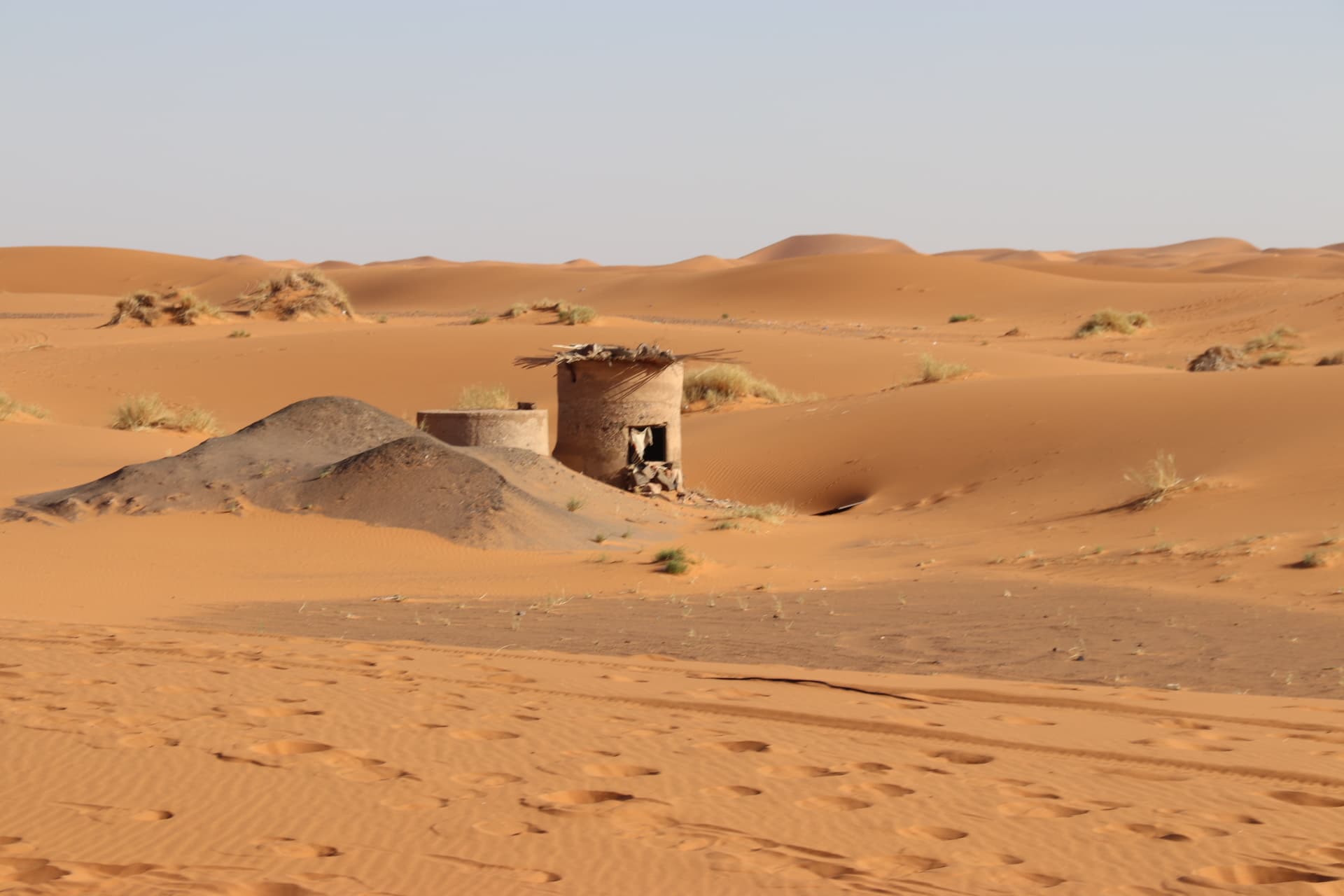
The Sahara Dunes at Merzouga (Morocco)
Africa Travel Bookings
· 5 min read
The sun dips low over the Erg Chebbi dunes, painting the golden sands in hues of orange and crimson as the desert cools from its daytime furnace. You stand atop a towering dune, the wind whispering through the ripples of sand that stretch endlessly towards the horizon, where the Atlas Mountains loom like distant sentinels. This is Merzouga, Morocco's gateway to the Sahara Desert, where the world's largest hot desert meets the soul of North Africa in a symphony of silence and scale. Now is the perfect time to visit, as Morocco celebrates its rich Berber heritage while embracing sustainable tourism that preserves this ancient landscape. This comprehensive guide explores everything you need to know about experiencing the Sahara Dunes at Merzouga, from camel treks across the dunes to stargazing under the clearest skies on Earth.
Why Visit The Sahara Dunes at Merzouga
The Sahara Dunes at Merzouga offer an unparalleled desert experience that combines raw natural beauty with authentic Moroccan culture. Here, you witness the Erg Chebbi dunes, some of Africa's highest at over 150 metres, creating a landscape that feels both timeless and otherworldly. Unlike the more commercialised deserts of the Middle East, Merzouga provides intimate encounters with nomadic Berber tribes who have called this place home for centuries. The area boasts UNESCO-recognised cultural sites and serves as a crucial stop on the ancient trans-Saharan trade routes, offering visitors a chance to step back into history. Moreover, Merzouga's position at the edge of the Sahara makes it an ideal base for exploring Morocco's diverse geography, from desert to mountains in a single journey.
Top Attractions & Experiences
Camel Trek Across the Dunes
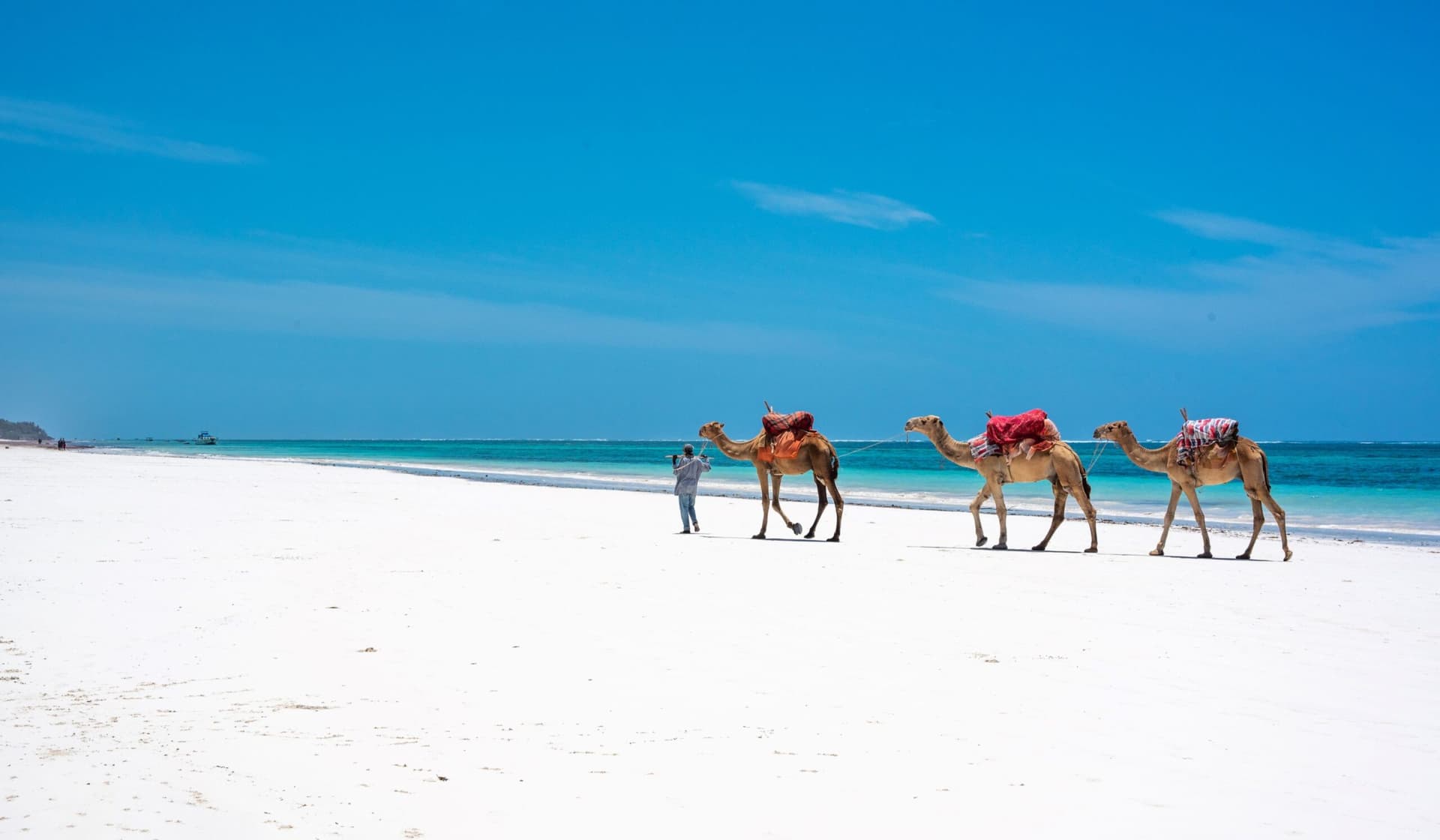
You mount your camel at sunset, the animal's gentle sway carrying you deeper into the Erg Chebbi dunes as the sky transforms into a canvas of fiery colours. This traditional Berber method of desert travel allows you to experience the Sahara's vastness intimately, with each step revealing new patterns in the golden sands. Treks typically last two to three hours, ending at a traditional nomad camp where you spend the night under the stars. Expect to pay around $20–$30 per person for a guided trek, including the camel rental and basic camp accommodation. The experience includes learning about Berber navigation techniques and enjoying mint tea prepared over a campfire.
Sunrise Over the Dunes
As dawn breaks, you climb the highest dune near your camp, the cool morning air carrying the scent of desert herbs. The first rays of sunlight pierce the horizon, illuminating the dunes in a golden glow that shifts from deep purple to brilliant gold within minutes. This moment captures the Sahara's dramatic beauty, with the silence broken only by the wind's soft song. Many tours include this experience as part of an overnight stay, typically starting around 5:30 AM and lasting about an hour. It's free if you're already at a desert camp, though some organised tours charge $10–$15 for the early wake-up call and guide.
Nomadic Berber Camp Experience
You arrive at a traditional Berber camp, clusters of low-slung tents made from camel hair and wool, arranged in a semi-circle around a central fire pit. Inside, woven rugs and cushions create comfortable seating areas, while the air fills with the aroma of tagine cooking over open flames. Spend your evening learning about Berber life from local guides, who share stories of desert survival and demonstrate traditional crafts like carpet weaving. Camps operate year-round but are most atmospheric in cooler months. A night in a basic camp costs $30–$50 per person, including dinner and breakfast, while luxury versions can reach $100–$150.
Fossil Valley Exploration
You hike through the rocky terrain of Dayet Srji, a prehistoric lake bed now exposed as the desert recedes, revealing fossils embedded in the stone. Dinosaur footprints and ancient marine fossils tell the story of when this area was underwater millions of years ago. Guided tours last about two hours and include explanations of the geological history, with some fossils dating back to the Jurassic period. Entry to the site is free, but organised tours cost $15–$25 per person. The valley provides a fascinating contrast to the pure sand dunes, showing the Sahara's complex geological evolution.
Stargazing in the Desert
With no light pollution for hundreds of kilometres, you lie back on a blanket as the Milky Way arcs overhead in breathtaking clarity. Local guides use telescopes to point out constellations, planets, and even satellites, explaining Berber star lore passed down through generations. The experience typically begins after dinner and lasts an hour or two, weather permitting. Many camps include basic stargazing in their overnight packages, though specialised astronomy tours cost an additional $20–$30. This activity highlights why Merzouga is one of the world's premier dark sky destinations.
Oasis Village Visits
You wander through the palm-fringed village of Merzouga itself, where date palms cluster around natural springs, creating a verdant contrast to the surrounding desert. Visit local cooperatives to learn about date farming and traditional irrigation techniques that have sustained life here for centuries. The village offers insights into everyday Berber life, with opportunities to purchase handmade crafts directly from artisans. Most visits are self-guided and free, though some tours include village stops for $10–$15. The oasis represents the delicate balance between desert survival and agricultural tradition.
Best Time to Visit
The Sahara Dunes at Merzouga experience extreme temperature variations, making seasonal timing crucial for comfort and enjoyment. Spring (March to May) offers mild days with temperatures ranging from 20–30°C, perfect for outdoor activities without the summer heat. Autumn (September to November) provides similar conditions, with the added bonus of fewer crowds and occasional rainfall that greens the desert temporarily. Winter (December to February) brings cooler nights, sometimes dropping to freezing, but days remain pleasant at 15–25°C. Summer (June to August) sees scorching heat, with daytime temperatures exceeding 40°C and sandstorms common, making it unsuitable for most visitors.
Best overall: March to May and September to November
Wildlife peak: Year-round for desert-adapted species, though spring brings more visible flora
Budget travel: November to February, when prices drop due to cooler weather
Avoid: June to August — extreme heat and potential sandstorms
The desert's microclimate means weather can vary significantly even within seasons. Spring often brings the most vibrant colours as desert flowers bloom briefly after winter rains. Autumn offers clearer skies for stargazing, while winter provides the chance to experience the dunes under a light dusting of frost — a rare phenomenon in the Sahara.
Getting There
You fly into Marrakech Menara Airport (RAK), Morocco's busiest international hub, located about 560 km from Merzouga. Direct flights connect Marrakech to major European cities like London (flight time: 3.5 hours), Paris (3 hours), and Amsterdam (4 hours), as well as Middle Eastern hubs like Dubai (7.5 hours via connection). Within Africa, Royal Air Maroc and other carriers offer connections from Johannesburg, Nairobi, and Addis Ababa, typically with a stop in Casablanca.
From Marrakech, you have two main options: a scenic drive through the Atlas Mountains (about 10–12 hours by car or bus) or a domestic flight to Ouarzazate (1 hour), followed by a 4-hour drive to Merzouga. Budget airlines like Ryanair serve Marrakech from various European destinations, while Emirates and Qatar Airways provide connections from further afield. The drive from Marrakech offers stunning views of Berber villages and mountain passes, though bus services are limited and car rental requires careful planning for the rough desert roads.
Visa & Entry Requirements
Most visitors to Morocco, including those heading to Merzouga, enjoy visa-free entry for stays up to 90 days. Citizens of the UK, US, Canada, Australia, and many EU countries can enter without prior visa arrangements. Upon arrival at Marrakech or other international airports, you receive a stamp in your passport allowing tourism and business activities.
If your nationality requires a visa, Morocco offers e-visas for many countries through their official portal. The cost varies by nationality but typically ranges from $20–$80, with processing taking 24–72 hours. Your passport must remain valid for at least six months beyond your planned departure date. No vaccinations are mandatory for Morocco, though hepatitis A and routine vaccinations are recommended. Yellow fever certificates are only required if you're coming from or have visited an endemic area in the previous six days.
Getting Around
Once in Merzouga, you navigate primarily by 4x4 vehicle or camel, as the area lacks public transport infrastructure. Most visitors arrive via organised tours that include airport transfers from Marrakech, typically in comfortable minibuses or 4x4 SUVs designed for desert terrain. The drive from Marrakech takes 10–12 hours, often broken with stops at Berber villages and mountain viewpoints.
For independent travel, rent a 4x4 in Marrakech (around $40–$60 per day) and drive yourself, though this requires experience with rough roads and desert conditions. Local taxis and shared minibuses connect Merzouga village to nearby sites, but for dune access, you'll need a guide with appropriate vehicles. Camel treks provide an authentic way to move between camps, though they're more experiential than practical for longer distances. Guided tours remain the most reliable option, with operators providing all transportation as part of comprehensive packages.
Accommodation Guide
Merzouga offers accommodation ranging from basic desert camps to luxury riads, all concentrated in the village or along the dune edges. Budget options include simple guesthouses in Merzouga village, where you stay in clean, basic rooms with shared facilities for $20–$40 per night. These provide easy access to the village but require transport to reach the dunes.
Mid-range choices feature traditional Berber camps with private tents or bungalows, offering en-suite facilities and meals for $80–$150 per person per night. These often include camel treks and traditional dinners, providing an authentic desert experience. Luxury options comprise high-end desert camps with star-gazing domes, private plunge pools, and gourmet dining, costing $250–$500 per person per night. Some ultra-luxury camps reach $1,000+ per person, featuring helicopter transfers and personal butlers.
The best areas cluster around the Erg Chebbi dunes themselves, where camps offer direct dune access. Village accommodation suits those preferring modern amenities, while pure desert camps provide the most immersive experience.
Food & Culture
Moroccan cuisine at Merzouga blends desert practicality with rich culinary traditions, featuring dishes adapted to the harsh environment. You savour tagine, slow-cooked stews of meat and vegetables in conical clay pots, often featuring camel or goat meat with apricots and almonds. Couscous, Morocco's national dish, appears frequently, steamed with vegetables and served with spicy harissa sauce.
A unique cultural experience involves sharing a traditional Berber tea ceremony, where you drink mint tea from small glasses, poured from a height to create foam — a gesture of hospitality. Learn about the Berber custom of "incomplete hospitality," where hosts always leave something unfinished to show they could have done more. The area celebrates the Festival of Dates in October, when the oasis harvests its bounty, offering visitors a chance to participate in traditional celebrations. Respect local customs by dressing modestly and removing shoes when entering tents, reflecting the Berber emphasis on cleanliness and hospitality.
Budget & Cost Guide
Travelling to the Sahara Dunes at Merzouga requires careful budgeting, with desert experiences forming the largest expense. A budget traveller focuses on basic accommodation and self-guided activities, spending around $50–$80 per day. This includes $20–$30 for a guesthouse room, $10–$15 for simple meals, and $10–$20 for basic transport or entry fees.
Mid-range travel, incorporating guided tours and comfortable camps, costs $80–$150 per day. Expect $50–$80 for mid-range desert camps, $20–$30 for guided activities, and $15–$25 for meals and transport. Luxury travellers opting for high-end camps and private experiences spend $200+ per day, with accommodation alone reaching $150–$300 per person.
The Moroccan dirham (MAD) is the local currency, though USD and euros are widely accepted in tourist areas. Factor in additional costs for international flights (from $500–$1,000 round-trip from Europe) and internal transfers. Prices remain stable year-round, with slight increases during peak seasons.
Travel Tips & Safety
Protect yourself from the desert sun with high-SPF sunscreen, a wide-brimmed hat, and lightweight long-sleeved clothing, as UV exposure can be intense even in cooler months. Stay hydrated by carrying at least 2 litres of water per person for any outdoor activity, and avoid alcohol during desert treks as it accelerates dehydration.
Travel insurance is essential for desert travel, covering medical evacuation from remote areas and trip cancellations. Consider policies that include adventure activities, as camel treks and dune climbing carry minor risks. Health-wise, malaria is not present in Merzouga, but routine vaccinations and hepatitis A protection are advisable.
Exercise caution when booking tours, ensuring operators are licensed and use well-maintained vehicles. Respect local customs by asking permission before photographing people, and carry cash for small purchases in villages. The area is generally safe for tourists, with low crime rates, though standard precautions apply in any destination.