The Valley of the Kings (Egypt)
Africa Travel Bookings
· 5 min read
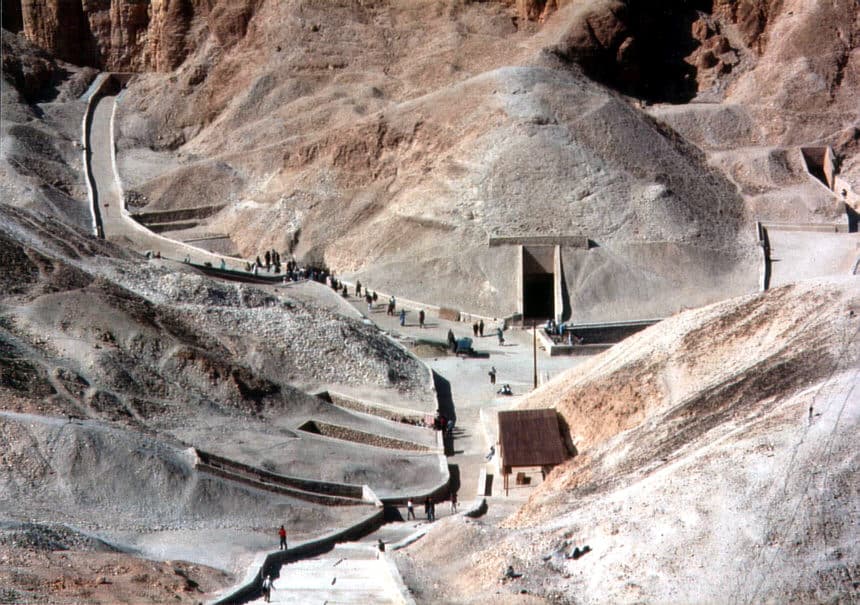
You step into a narrow valley carved from the golden limestone cliffs of the Theban Hills, where the air carries the scent of ancient dust and the whispers of pharaohs long gone. The Valley of the Kings, a UNESCO World Heritage site on Egypt's west bank of the Nile near Luxor, has guarded the secrets of Egypt's greatest rulers for over three millennia. Here, you walk among the tombs of kings like Tutankhamun and Ramses the Great, their resting places hidden beneath the desert sun to protect them from grave robbers. This is not just history; it is a living testament to the grandeur of ancient Egypt, where every step reveals artefacts that have survived the ages. Visiting now offers unparalleled access to newly discovered chambers and advanced conservation efforts that bring these stories to life. This comprehensive travel guide covers everything you need to know about exploring the Valley of the Kings, from its iconic tombs to practical planning tips for your Egyptian adventure.
Why Visit The Valley of the Kings
The Valley of the Kings stands as one of the most significant archaeological sites in the world, a place where you uncover the mysteries of ancient Egyptian civilisation through its 63 discovered tombs. You visit to witness the opulent burial chambers of pharaohs, adorned with hieroglyphs and treasures that paint a vivid picture of life, death, and the afterlife in pharaonic Egypt. Unlike other ancient sites, this valley offers a concentrated experience of royal tombs, many of which remain remarkably preserved, providing insights into the rituals and beliefs that shaped a dynasty. It holds the record as the final resting place for most of Egypt's New Kingdom pharaohs, making it a unique window into the power and artistry of the 18th to 20th dynasties. You come here to connect with history on a personal level, exploring sites that have inspired countless books, films, and legends about the boy king Tutankhamun and his contemporaries.
Top Attractions & Experiences
Tomb of Tutankhamun
You descend into the tomb of Tutankhamun, the most famous pharaoh of all, where the air grows cooler and the walls close in with vibrant paintings of the young king's journey to the afterlife. Discovered in 1922 by Howard Carter, this modest tomb—compared to others in the valley—houses replicas of the treasures that made Tutankhamun a household name, including his golden mask and sarcophagus. You experience a sense of awe as you imagine the original artefacts now in Cairo's Egyptian Museum, feeling the intimacy of a burial chamber designed for eternity. Entry costs around $16, and guided tours last about 15 minutes, allowing you to marvel at the detailed reliefs depicting the pharaoh with gods like Anubis.
Tomb of Ramses VI
You enter the tomb of Ramses VI, one of the largest and most elaborate in the valley, where the ceiling soars with astronomical scenes and the walls tell stories of the pharaoh's divine rule. This tomb, dating to the 20th dynasty, features a long corridor leading to chambers filled with colourful hieroglyphs and depictions of the Book of the Dead. You feel the scale of ancient ambition as you walk through rooms that once held the king's mummified remains, now a highlight for its well-preserved artwork. Open daily from 6 AM to 5 PM, it offers a deeper dive into Egyptian mythology, with guides explaining the symbols that guided the soul's journey.
Tomb of Seti I
The tomb of Seti I beckons you with its pristine condition and intricate decorations, a masterpiece of New Kingdom art that feels untouched by time. You navigate the steep descent into chambers adorned with scenes from the Amduat, the ancient Egyptian underworld text, where every inch of wall space bursts with colour and detail. This tomb, father of Ramses II, provides a sensory experience of walking through a living manuscript, with ceilings painted to resemble the night sky. At $16 entry, you spend up to 30 minutes exploring, appreciating the conservation efforts that keep the pigments vibrant after 3,300 years.
Tomb of Merenptah
You explore the tomb of Merenptah, the 13th son of Ramses II, where the architecture reflects the transition from grandeur to more modest designs in later dynasties. The walls depict the pharaoh in battle and in worship, offering a glimpse into the military prowess and religious devotion of the 19th dynasty. You sense the historical continuity as you view the well-lit chambers, which include a burial room with a sunken sarcophagus pit. This site, less crowded than Tutankhamun's, allows for a contemplative visit, with entry fees and hours matching the valley's standard.
Theban Mapping Project and Conservation
Beyond individual tombs, you engage with the Theban Mapping Project, an ongoing archaeological effort that uses modern technology to document and preserve the valley's secrets. You witness conservators at work, learning how they stabilise fragile walls and uncover hidden chambers, such as those found in recent excavations. This experience adds a layer of contemporary relevance, showing how science meets history. Free to observe (though donations are welcome), it provides practical insights into the challenges of protecting these ancient wonders from erosion and tourism.
Best Time to Visit
You plan your visit to the Valley of the Kings during Egypt's cooler months to avoid the intense desert heat that can make exploring uncomfortable. The best overall time spans from October to April, when temperatures range from 15°C to 30°C, allowing you to wander the tombs without the midday sun's glare. Winter months, December to February, bring milder crowds and occasional rain, though the valley remains dry. Spring, March to May, offers blooming landscapes but increasing warmth, while summer, June to September, sees temperatures soar above 40°C, making early morning visits essential. For peak experiences with fewer tourists, aim for shoulder seasons like October or April.
Best overall: October to April
Wildlife peak: N/A (archaeological site)
Budget travel: May to September (hotter, fewer crowds)
Avoid: July to August — extreme heat and potential closures during Ramadan
Getting There
You fly into Luxor International Airport (LXR), the primary gateway to the Valley of the Kings, located about 5 km east of the city centre. Major airlines like EgyptAir, British Airways, and Emirates connect Luxor from London (flight time around 5 hours), Dubai (3 hours), and European hubs like Frankfurt. Domestic flights from Cairo take about 1 hour, with EgyptAir and Nile Air operating frequent services. From the airport, you take a taxi or pre-arranged transfer to the west bank, a 20-minute drive. If arriving by train from Cairo (10-hour journey on the Nile Express), you alight at Luxor Station and proceed similarly. The valley itself lies 7 km from Luxor, accessible via ferry or road.
Visa & Entry Requirements
You obtain a visa for Egypt either online via the official e-visa portal or on arrival at the airport, depending on your nationality. Citizens of the UK, US, and most European countries qualify for visa on arrival, costing $25, while others may need an e-visa ($25–$80). Your passport must remain valid for at least six months beyond your travel dates. No vaccinations are mandatory, though hepatitis A and typhoid are recommended for general health. For the latest requirements, you check the Egyptian Ministry of Foreign Affairs website or your embassy, as rules can change.
Getting Around
You navigate Luxor using taxis, which are plentiful and inexpensive, costing around $2–$5 for short trips within the city. For the west bank, including the Valley of the Kings, you cross the Nile by ferry ($1) or private boat, then hire a taxi or join a guided tour van for the 7 km drive. Guided tours often include transport from your hotel, covering multiple sites like the valley, Karnak Temple, and the Colossi of Memnon. Renting a car is possible but not recommended due to chaotic traffic; instead, opt for a driver-guide for safety and convenience. Walking is feasible in the valley itself, though the terrain is sandy and uneven.
Accommodation Guide
You choose from a range of accommodation in Luxor, concentrated on the east bank near the Nile for convenience. Budget options include guesthouses and hostels under $80 per night, offering basic amenities and a local feel. Mid-range hotels like those along the corniche provide comfort with pools and restaurants for $80–$250 per night. Luxury resorts, such as those with Nile views, cater to upscale travellers with spas and private balconies, ranging from $250–$1,000+ per night. For an authentic experience, stay in a traditional felucca boat or riverside villa. Prices reflect the high season; book in advance for the best deals.
Food & Culture
You savour Egyptian cuisine in Luxor, starting with koshary, a hearty mix of rice, lentils, and pasta topped with tomato sauce, a staple street food costing $2–$3. Try ful medames, slow-cooked fava beans with herbs, for breakfast, or molokhia, a leafy green soup served with rice. Culturally, you respect the tradition of removing shoes before entering mosques or tombs, and greet locals with "Salaam" and a handshake. During Ramadan, you observe fasting from dawn to dusk, with iftar meals breaking the fast at sunset. Festivals like the Luxor Festival of Ancient Egyptian Arts in November showcase traditional music and dance, immersing you in Egypt's rich heritage.
Budget & Cost Guide
You budget for a trip to the Valley of the Kings based on your travel style, with daily costs varying by accommodation and activities. A budget traveller spends around $50–$100 per day, staying in hostels ($20–$40), eating street food ($10–$15), and using public transport ($5–$10), while entry to the valley costs $16. Mid-range travellers allocate $100–$200 per day, opting for hotels ($80–$150) and guided tours ($50–$100). Luxury visitors exceed $200 per day, with high-end resorts ($250+) and private excursions. The Egyptian pound is the local currency, but USD is widely accepted. Factor in extras like tips and souvenirs for a realistic estimate.
Travel Tips & Safety
You prepare for your visit by consulting a doctor about malaria prophylaxis, though it's not prevalent in Luxor, and ensuring routine vaccinations. Purchase comprehensive travel insurance covering medical emergencies and trip cancellations, essential for archaeological sites with potential hazards. Stay hydrated in the desert heat, wear comfortable shoes for sandy paths, and carry a hat and sunscreen. Avoid isolated areas after dark, and be cautious with street vendors. For health, drink bottled water and avoid uncooked foods. Overall, Luxor is safe for tourists, with low crime rates, but remain vigilant in crowded markets.