Volcanoes National Park (Rwanda)
Africa Travel Bookings
· 5 min read
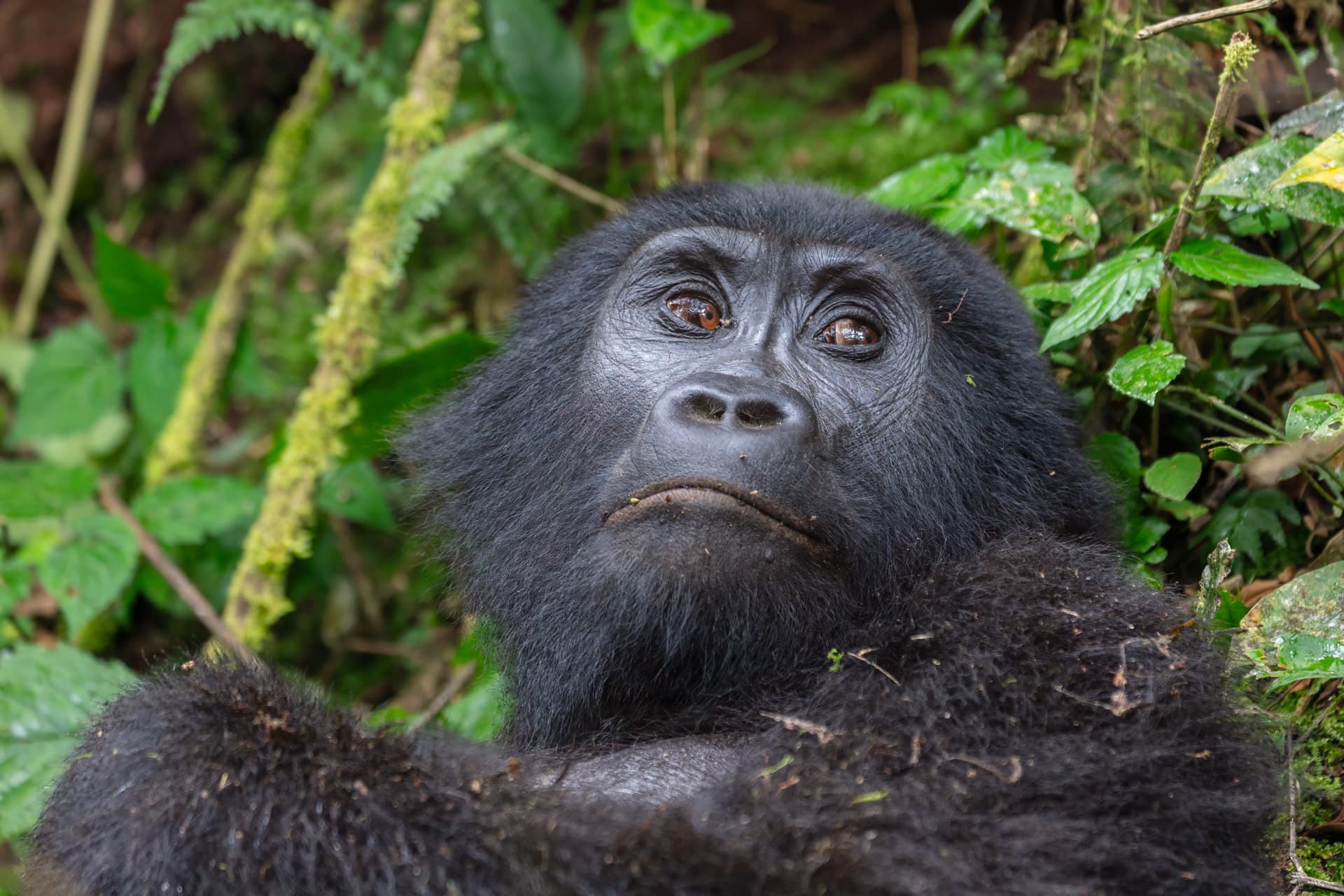
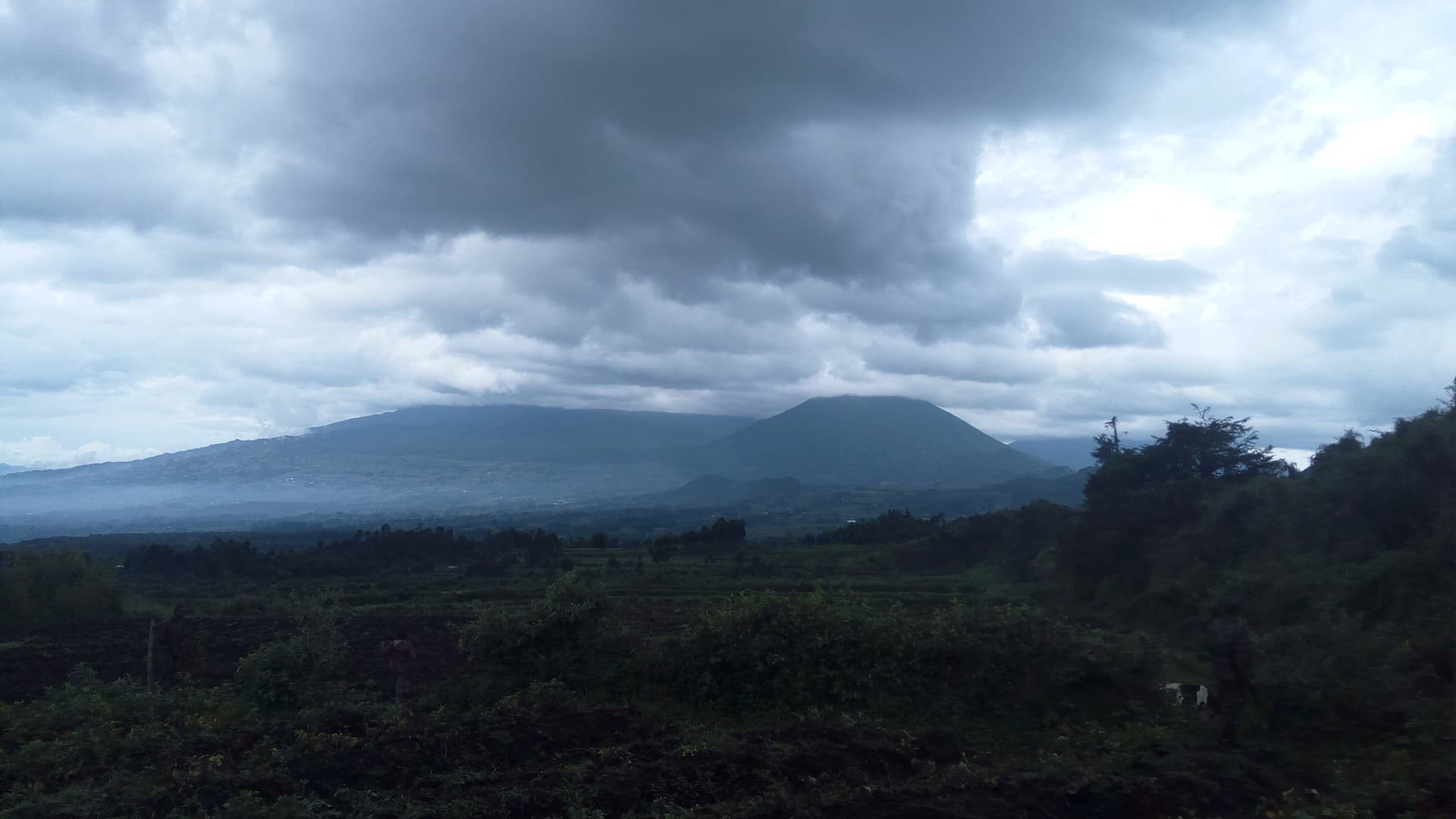
Mist clings to the lush slopes of the Virunga volcanoes as you ascend the trail, the air thick with the scent of damp earth and wild herbs. Ahead, a family of mountain gorillas moves through the bamboo forest, their powerful forms silhouetted against the mist-shrouded peaks. This is Volcanoes National Park, Rwanda's crown jewel, where you step into the world of Gorilla beringei beringei, the endangered primates that have captured imaginations worldwide. Now is the perfect time to visit, as conservation efforts continue to thrive, offering unprecedented access to these magnificent creatures. This comprehensive travel guide covers everything from gorilla trekking permits to the best lodges, ensuring you plan an unforgettable journey through Rwanda's volcanic heartland.
Why Visit Volcanoes National Park
Volcanoes National Park stands out as Africa's premier gorilla trekking destination, home to over half the world's remaining mountain gorillas. You encounter these gentle giants in their natural habitat, witnessing behaviours that reveal the deep intelligence and family bonds of these endangered species. The park's volcanic landscape, part of the Virunga Mountains, offers breathtaking hikes across lava fields and crater lakes, contrasting sharply with the dense bamboo forests that shelter the gorillas. Recognised as a UNESCO World Heritage Site, it protects one of the most biodiverse regions on the continent, where you also spot golden monkeys and rare birds. Unlike other East African parks, Volcanoes National Park combines wildlife encounters with active volcano exploration, making it a unique blend of adventure and conservation.
Top Attractions & Experiences
Gorilla Trekking
You begin your gorilla trek at the park headquarters in Kinigi, where rangers assign you to a habituated family group. The hike takes you through steep trails lined with giant lobelias and heather, the air growing thinner as you ascend to altitudes over 3,000 metres. Upon finding the gorillas, you spend one hour observing them forage, play, and interact, their silverbacks commanding respect with their sheer presence. Permits cost $1,500 per person and book up months in advance, but the experience justifies every penny. You feel a profound connection to these animals, whose conservation success story inspires hope for wildlife protection worldwide.
Dian Fossey's Grave and Karisoke Research Centre
You visit the resting place of primatologist Dian Fossey, whose groundbreaking work at the Karisoke Research Centre revolutionised gorilla conservation. The centre, perched at 3,200 metres, offers insights into Fossey's life through exhibits of her photographs and notes. You explore the surrounding trails, where researchers still monitor gorilla populations, and learn about the ongoing threats from poaching and habitat loss. Entry fees are modest at $10, and guided tours provide a deeper understanding of the park's scientific importance. This site bridges the gap between adventure tourism and serious conservation, reminding you of the human effort behind gorilla survival.
Hiking the Volcanoes
You tackle the challenging ascent of Mount Bisoke or Mount Karisimbi, active volcanoes that dominate the park's skyline. The trails wind through afro-alpine vegetation, with panoramic views unfolding as you climb. At Bisoke's crater lake, you gaze into the turquoise waters, a stark contrast to the surrounding lava fields. Guided hikes last six to eight hours and require good fitness, with costs around $100 per person including a guide. You encounter diverse wildlife, from forest elephants to chameleons, making each step a discovery. These volcanic hikes offer a physical challenge that rewards you with unparalleled vistas and a sense of conquering Africa's fiery peaks.
Golden Monkey Tracking
You track the endangered golden monkeys, also known as Cercopithecus kandti, through the bamboo zones of the park. These striking primates, with their golden-orange fur, leap acrobatically through the trees, offering a more agile alternative to gorilla trekking. Permits cost $100 and include a two-hour encounter, where you observe their social behaviours and feeding habits. The experience takes place in the same forests as gorilla treks but focuses on these smaller, faster creatures. You appreciate the park's biodiversity, as golden monkeys highlight the varied wildlife thriving in the Virunga ecosystem.
Birdwatching and Biodiversity
You explore the park's rich avian life, spotting over 200 bird species including the rare Rwenzori turaco and handsome francolin. Trails through the montane forests reveal orchids, ferns, and medicinal plants, showcasing the region's botanical diversity. Guided birdwatching tours cost $50 and last half a day, with expert guides pointing out endemic species. You witness the interplay of flora and fauna, from butterflies to small mammals, in this UNESCO-protected area. This attraction appeals to nature enthusiasts, offering a quieter, more contemplative side to Volcanoes National Park.
Best Time to Visit
You plan your visit during Rwanda's dry seasons for the best gorilla trekking conditions. The primary dry season runs from June to September, when clear skies and minimal rain make hiking easier and wildlife viewing optimal. This period coincides with the gorilla birthing season, increasing chances of seeing playful infants. The secondary dry season, from December to February, offers milder crowds and pleasant temperatures, though occasional showers occur. You avoid the wet seasons from March to May and October to November, when heavy rains turn trails into muddy quagmires and reduce visibility.
Gorilla permits remain available year-round, but prices fluctuate with demand. Peak season sees costs at $1,500, while shoulder months drop to around $1,200. Wildlife viewing peaks during dry periods, when animals concentrate around water sources. For budget travel, aim for the off-peak dry season, when accommodation rates fall by 20-30%. You experience fewer tourists, allowing more intimate encounters with the gorillas.
Best overall: June to September
Wildlife peak: June to September
Budget travel: December to February
Avoid: March to May — heavy rains make trekking difficult
Getting There
You fly into Kigali International Airport, Rwanda's main gateway, served by airlines like KLM, Ethiopian Airlines, and RwandAir from Europe and the Middle East. Flights from London take about 10 hours with a stopover in Addis Ababa or Nairobi, while Dubai connections add another 4-5 hours. From Kigali, you take a domestic flight or drive to Ruhengeri, the town nearest Volcanoes National Park. RwandAir operates short hops to Ruhengeri Airport, lasting 45 minutes, or you opt for a scenic overland transfer of 2-3 hours by road.
Key transit hubs include Nairobi and Addis Ababa for East African connections, and Dubai for Middle Eastern routes. Within Africa, Johannesburg and Entebbe offer additional entry points. You arrange park transfers through your lodge or tour operator, ensuring a smooth journey from the airport to the trailheads. International flights dominate arrivals, with regional carriers handling domestic legs.
Visa & Entry Requirements
You obtain a visa for Rwanda easily, as the country offers visa-on-arrival for most nationalities at Kigali International Airport. Citizens of the US, UK, EU countries, and many African nations receive this facility, paying $30 for a 30-day stay. For others, an e-visa applies, costing $50 and processed online via the Rwanda Immigration and Emigration Department website. You ensure your passport remains valid for at least six months beyond your travel dates.
Yellow Fever vaccination proves mandatory if you arrive from an endemic area, with certificates checked at entry. No other vaccinations are required, though malaria prophylaxis is recommended for the region. You verify requirements with your embassy, as policies occasionally change. Rwanda's efficient immigration process makes entry straightforward, allowing you to focus on your gorilla adventures.
Getting Around
You rely on guided transfers and hiking within Volcanoes National Park, as self-drive options are limited. From Kigali or Ruhengeri, lodge vehicles transport you to the park gates, with roads well-maintained but winding through mountainous terrain. Inside the park, you hike on foot with armed rangers, covering distances from 1-8 kilometres depending on gorilla locations. For independent travel, you rent a car in Kigali, but a driver-guide is advisable for the park's remote areas.
Game drive vehicles are unnecessary here, unlike savannah safaris, as the focus lies on trekking. You arrange all transport through your accommodation or tour operator, ensuring safety and efficiency. Public buses connect major towns, but for the park, private transfers are standard. This setup allows you to concentrate on the wildlife encounters rather than navigation.
Accommodation Guide
You choose from lodges clustered around Ruhengeri and the park's outskirts, catering to various budgets. Budget options include guesthouses in town, costing under $80 per night, offering basic amenities and proximity to the park. Mid-range hotels like the Five Volcanoes Boutique Hotel provide comfortable rooms with views of the mountains, priced at $80-250 per night. Luxury lodges such as Sabyinyo Silverback Lodge offer private villas and gourmet dining, starting at $250 per night.
Safari-style camps are absent, but eco-lodges integrate with the landscape, using local materials and supporting conservation. You stay in Kinigi for easy access to gorilla treks, with most properties including transfers. Prices reflect the park's premium status, but you find value in packages combining accommodation with permits. Ultra-luxury experiences reach $500+ per person, including private guides and bespoke itineraries.
Food & Culture
You savour Rwandan cuisine, featuring dishes like ugali (maize porridge) and isombe (cassava leaves with peanuts), reflecting the country's agricultural heritage. Brochettes, grilled meat skewers, offer a street-food favourite, while plantains and sweet potatoes accompany most meals. You try urwagwa, a traditional sorghum beer, during cultural performances. Respect local etiquette by greeting elders with both hands and learning basic Kinyarwanda phrases.
Cultural immersion includes visits to genocide memorials in Kigali, highlighting Rwanda's resilience. The Kwita Izina gorilla naming ceremony, held annually in September, celebrates conservation milestones. You engage with local communities through homestays or craft markets, fostering understanding. This cultural depth enriches your visit, turning it into more than a wildlife excursion.
Budget & Cost Guide
You budget carefully for Volcanoes National Park, where gorilla permits dominate expenses. A mid-range traveller spends $200-400 per day, including accommodation, meals, and activities. Budget travellers manage $100-200 daily by choosing basic lodges and local eateries, while luxury seekers exceed $500 with high-end stays and private guides.
Breakdown:
- Accommodation: $50-300 per night
- Food: $20-50 per day
- Transport: $50-100 for transfers
- Activities: $1,500 for gorilla permit, plus $50-100 for other experiences
The Rwandan franc is the local currency, but USD is widely accepted. You factor in park fees and tips for guides. Overall, a week-long trip costs $2,000-5,000 per person, depending on your style.
Budget traveller: ~$100–$200 per day
Mid-range traveller: ~$200–$400 per day
Luxury traveller: $400+ per day
Travel Tips & Safety
You protect yourself from malaria by taking prophylaxis like doxycycline, available from travel clinics. Vaccinations include routine ones plus Yellow Fever if required. Purchase comprehensive travel insurance covering adventure activities, as gorilla trekking involves physical exertion. Stay hydrated and wear sturdy boots for muddy trails.
Exercise caution in remote areas, though crime rates are low. Avoid hiking alone and follow ranger instructions. Pack layers for variable mountain weather, including rain gear and sun protection. Respect wildlife by maintaining distance and not feeding animals. These precautions ensure a safe, enjoyable experience.